THE ADVENTURE COLLECTIVE® · Independent discovery and booking for outdoor travel

Spend a full day traveling from Haifa to Masada and the Dead Sea on a private guided tour that combines Herodian ruins, a cable‑car ascent, and the surreal buoyancy of the lowest place on Earth. Expect long drives, desert vistas, and practical tips for floating safely.
Spend a full day traveling from Haifa to Masada and the Dead Sea on a private guided tour that combines Herodian ruins, a cable‑car ascent, and the surreal buoyancy of the lowest place on Earth. Expect long drives, desert vistas, and practical tips for floating safely.
You step out of the air‑conditioned vehicle and the desert wind greets you like a challenge — warm, dry, insistent. From the coastal green of Haifa the road peels away into the ochre folds of the Judean Desert; by the time you reach Masada the sky feels sharper and the Dead Sea pulls the horizon low.
Verified experiences and guided adventures in the surrounding area.
Operated by The Orange Dreams · Haifa, Haifa District
You step out of the air‑conditioned vehicle and the desert wind greets you like a challenge — warm, dry, insistent. From the coastal green of Haifa the road peels away into the ochre folds of the Judean Desert; by the time you reach Masada the sky feels sharper and the Dead Sea pulls the horizon low.
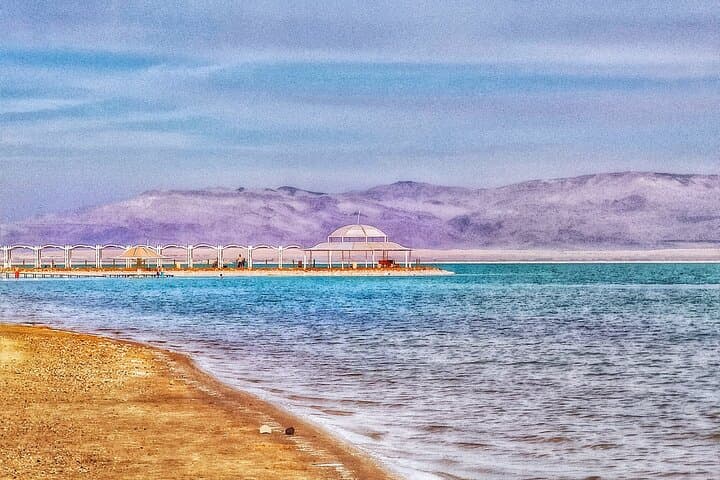
Masada sits on a flat-topped rock above the Dead Sea, a Herodian fortress that became the site of a last stand against Rome in 73–74 CE. The ruins reveal bathhouses, storerooms and a water‑catchment system that speak to ancient engineering under extreme conditions. Geologically the area is dramatic: the Dead Sea basin is the lowest point on Earth (about 430 m below sea level), its hypersaline water pushing every swimmer toward effortless buoyancy. Mount Sodom and the distant Moab Mountains hold quiet company across the water.
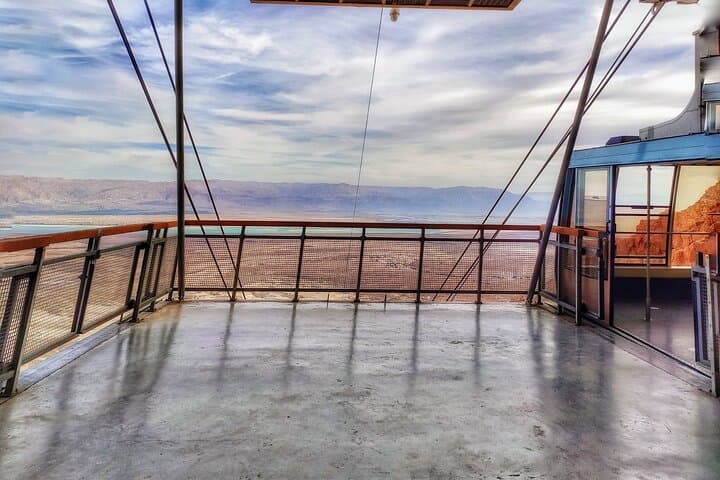
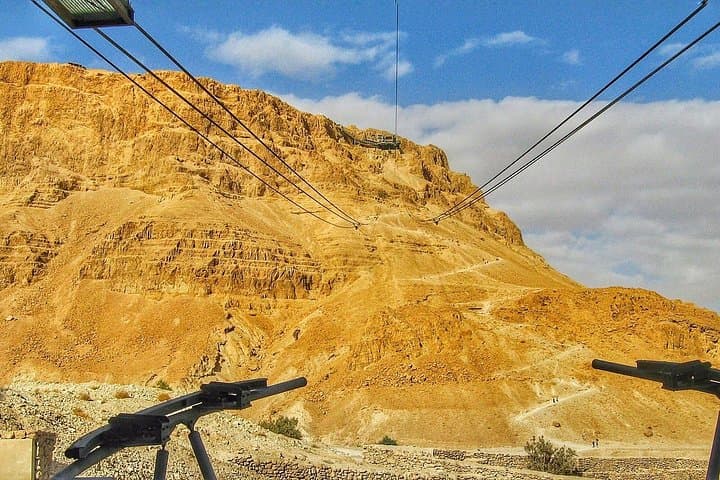
Culturally, the day pairs archaeology with natural spectacle — a cable car lift to Masada’s plateau, a guided walk through archeological remains, then the surreal buoyancy of the Dead Sea. Expect long drives between stops; much of the day is transport and viewing.
Practical guidance: bring a swimsuit, towel and beach shoes; protect skin and eyes from salt; avoid shaving before floating; drink plenty of water and wear sun protection. If you prefer less walking, the cable car and short, curated routes keep the day accessible for most fitness levels. Plan for an early start to beat the heat and make the most of the light on the ruins and the water.
easy.
11–12 hours.
Suitable for most travelers in regular health; expect short walks on uneven stone and some standing at viewpoints
Masada national park admission is commonly not included in basic listings — confirm with the operator; the tour typically covers transport and guiding but may require separate park fees.
Most people can float due to the high salinity, but avoid it if you have open wounds, serious skin conditions, or uncontrolled blood pressure; consult the operator if unsure.
You can reach the main archaeological area via cable car, which keeps physical exertion low, but expect uneven stone surfaces and short climbs once atop the plateau.
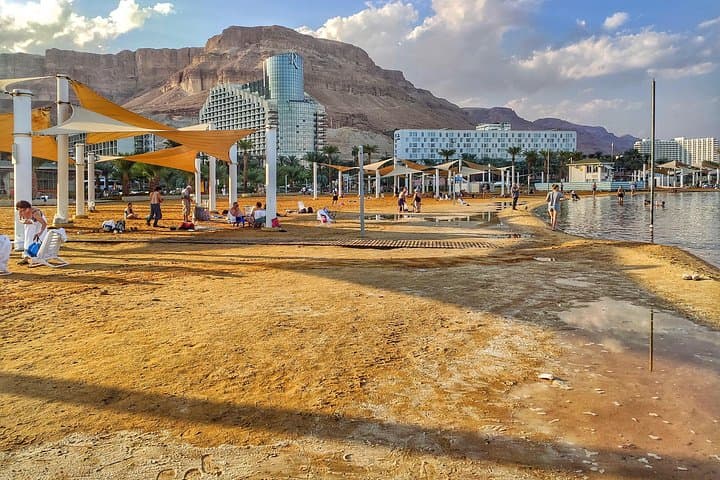
Facilities vary by beach; many public Dead Sea sites have basic changing rooms and showers, but bringing your own towel and a change of clothes is recommended.
Masada was fortified by King Herod and is famed for the 1st‑century CE siege and the story of the Jewish rebels' last stand.
The Dead Sea is receding due to upstream water diversion and mineral extraction; stick to designated bathing zones and avoid stepping into fragile salt formations.
The Orange Dreams operates guided outdoor trips and adventures with an emphasis on safety, stewardship, and memorable experiences.
You step out of the air‑conditioned vehicle and the desert wind greets you like a challenge — warm, dry, insistent. From the coastal green of Haifa the road peels away into the ochre folds of the Judean Desert; by the time you reach Masada the sky feels sharper and the Dead Sea pulls the horizon low.
You step out of the air‑conditioned vehicle and the desert wind greets you like a challenge — warm, dry, insistent. From the coastal green of Haifa the road peels away into the ochre folds of the Judean Desert; by the time you reach Masada the sky feels sharper and the Dead Sea pulls the horizon low.
Masada sits on a flat-topped rock above the Dead Sea, a Herodian fortress that became the site of a last stand against Rome in 73–74 CE. The ruins reveal bathhouses, storerooms and a water‑catchment system that speak to ancient engineering under extreme conditions. Geologically the area is dramatic: the Dead Sea basin is the lowest point on Earth (about 430 m below sea level), its hypersaline water pushing every swimmer toward effortless buoyancy. Mount Sodom and the distant Moab Mountains hold quiet company across the water.
Culturally, the day pairs archaeology with natural spectacle — a cable car lift to Masada’s plateau, a guided walk through archeological remains, then the surreal buoyancy of the Dead Sea. Expect long drives between stops; much of the day is transport and viewing.
Practical guidance: bring a swimsuit, towel and beach shoes; protect skin and eyes from salt; avoid shaving before floating; drink plenty of water and wear sun protection. If you prefer less walking, the cable car and short, curated routes keep the day accessible for most fitness levels. Plan for an early start to beat the heat and make the most of the light on the ruins and the water.