THE ADVENTURE COLLECTIVE® · Independent discovery and booking for outdoor travel

Spend a day exploring Masada's ancient fortress and drifting in the mineral-rich Dead Sea. This practical guide outlines what to expect on the full-day tour from Tel Aviv, with tips for timing, gear, and safety.
Spend a day exploring Masada's ancient fortress and drifting in the mineral-rich Dead Sea. This practical guide outlines what to expect on the full-day tour from Tel Aviv, with tips for timing, gear, and safety.
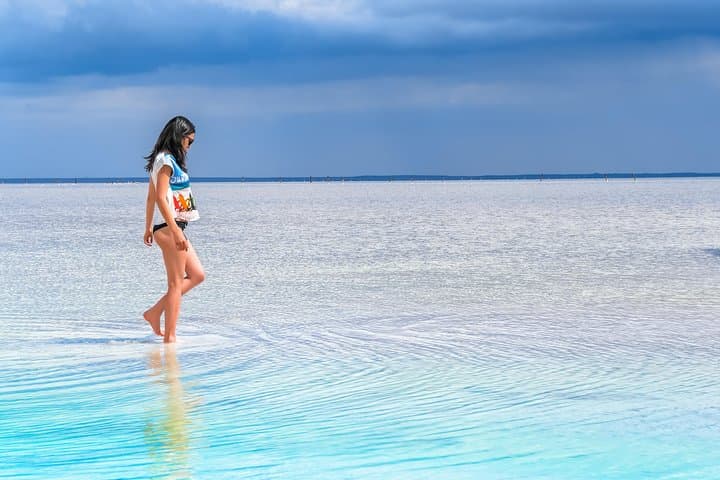
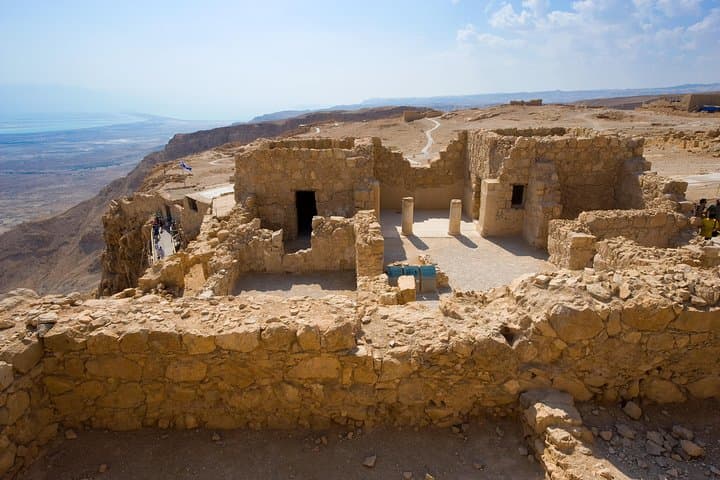
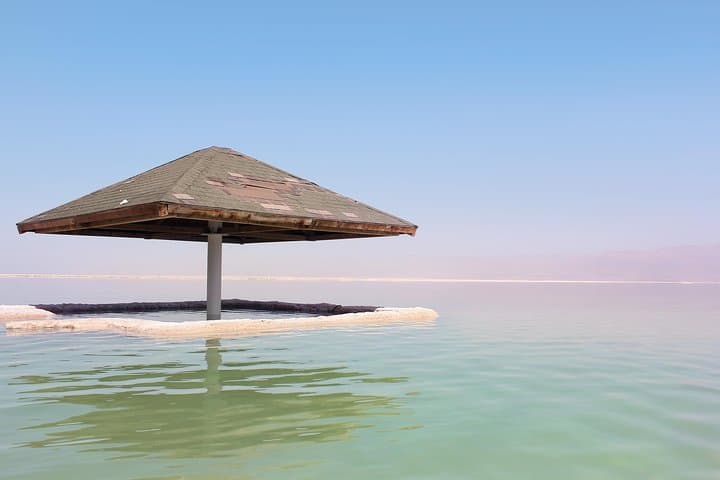
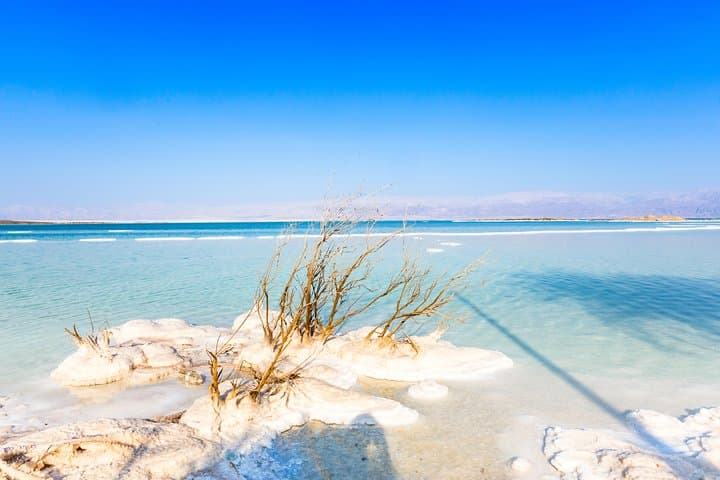
The bus drops you at the edge of the Judean Desert and the air hits like a warm palm—dry, mineral-rich, and alive with wind. Masada rises ahead: a flat-topped rock fortress clinging to the cliff like an old watchman. Later, the Dead Sea opens like a still, shimmering basin that refuses to swallow you; its salt-rich water buoyantly cradles swimmers while dark mineral mud waits to be smeared and rinsed off.
Verified experiences and guided adventures in the surrounding area.
Operated by CTO Israel · Masada, Southern District
The bus drops you at the edge of the Judean Desert and the air hits like a warm palm—dry, mineral-rich, and alive with wind. Masada rises ahead: a flat-topped rock fortress clinging to the cliff like an old watchman. Later, the Dead Sea opens like a still, shimmering basin that refuses to swallow you; its salt-rich water buoyantly cradles swimmers while dark mineral mud waits to be smeared and rinsed off.
Masada's stone holds layered stories — Herod's palaces, Roman siege works and the archaeological finds now displayed at the onsite museum. Geologically, the region is a meeting of soft chalk and harder limestone capped by erosion-resistant beds, forming dramatic escarpments above the Dead Sea, the Earth's lowest terrestrial point at roughly 430 meters below sea level. The Dead Sea itself is a hypersaline terminal lake whose concentrated minerals have drawn visitors since antiquity, from Herod to modern spa-goers.
Practically, this is a full-day excursion: expect about eight hours total from Tel Aviv. Most itineraries use a cable car at Masada but bring sensible footwear for uneven stone and brief stair sections. At the Dead Sea, float supine and let the water support you; avoid splashing, do not submerge your head, and rinse thoroughly after the mineral mud treatment. Sun protection, ample water and timing your visit for morning or late afternoon will keep heat and crowds manageable. Respect posted conservation rules: the shoreline and its unique minerals are fragile, and facilities vary along the coast. This day trip blends archaeology, stark desert geology and an unmistakable aquatic oddity—a clear, pragmatic adventure with a hint of ancient drama.
easy.
8 hours.
Light walking and short stair climbs; suitable for most fitness levels but expect sun and heat.
Avoid entering the Dead Sea with open wounds or recent tattoos; the high salinity will sting and can cause infection—consult a physician if unsure.
Masada offers a cable car from the base to the plateau and has paved sections, but some uneven areas and short stairs remain; check with tour operator about specific accessibility needs.
Typical itineraries spend about 1.5–2 hours at Masada and 2–3 hours at the Dead Sea including time to float, apply mud and rinse.
Most public beaches and resort areas provide showers and changing rooms, but quality varies—bring flip-flops and a small towel just in case.
Masada was a fortified palace complex built by Herod the Great and became a symbol of Jewish resistance after the Roman siege in 73–74 CE; the site is a UNESCO World Heritage Site.
The Dead Sea is receding due to regional water diversion and mineral extraction; stick to designated areas, avoid removing salt or minerals, and use biodegradable products where possible.
CTO Israel operates guided outdoor trips and adventures with an emphasis on safety, stewardship, and memorable experiences.
The bus drops you at the edge of the Judean Desert and the air hits like a warm palm—dry, mineral-rich, and alive with wind. Masada rises ahead: a flat-topped rock fortress clinging to the cliff like an old watchman. Later, the Dead Sea opens like a still, shimmering basin that refuses to swallow you; its salt-rich water buoyantly cradles swimmers while dark mineral mud waits to be smeared and rinsed off.
The bus drops you at the edge of the Judean Desert and the air hits like a warm palm—dry, mineral-rich, and alive with wind. Masada rises ahead: a flat-topped rock fortress clinging to the cliff like an old watchman. Later, the Dead Sea opens like a still, shimmering basin that refuses to swallow you; its salt-rich water buoyantly cradles swimmers while dark mineral mud waits to be smeared and rinsed off.
Masada's stone holds layered stories — Herod's palaces, Roman siege works and the archaeological finds now displayed at the onsite museum. Geologically, the region is a meeting of soft chalk and harder limestone capped by erosion-resistant beds, forming dramatic escarpments above the Dead Sea, the Earth's lowest terrestrial point at roughly 430 meters below sea level. The Dead Sea itself is a hypersaline terminal lake whose concentrated minerals have drawn visitors since antiquity, from Herod to modern spa-goers.
Practically, this is a full-day excursion: expect about eight hours total from Tel Aviv. Most itineraries use a cable car at Masada but bring sensible footwear for uneven stone and brief stair sections. At the Dead Sea, float supine and let the water support you; avoid splashing, do not submerge your head, and rinse thoroughly after the mineral mud treatment. Sun protection, ample water and timing your visit for morning or late afternoon will keep heat and crowds manageable. Respect posted conservation rules: the shoreline and its unique minerals are fragile, and facilities vary along the coast. This day trip blends archaeology, stark desert geology and an unmistakable aquatic oddity—a clear, pragmatic adventure with a hint of ancient drama.