THE ADVENTURE COLLECTIVE® · Independent discovery and booking for outdoor travel

A one-day excursion from Jerusalem that pairs Masada’s dramatic cliff-top ruins with a buoyant dip in the Dead Sea. Expect a cable-car ascent, guided archaeology, desert views and time to float and mud-mask on the lowest shoreline on Earth.
A one-day excursion from Jerusalem that pairs Masada’s dramatic cliff-top ruins with a buoyant dip in the Dead Sea. Expect a cable-car ascent, guided archaeology, desert views and time to float and mud-mask on the lowest shoreline on Earth.
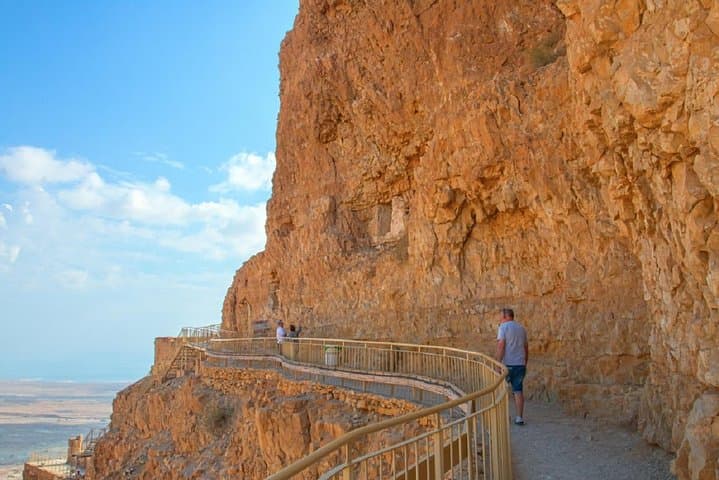
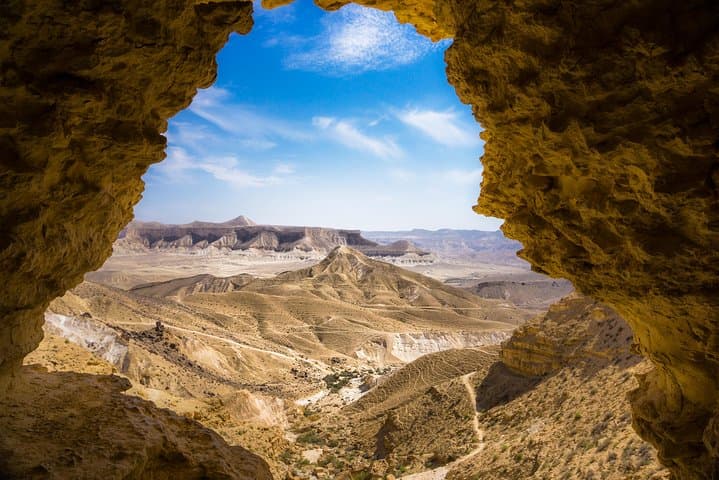
You step out of an air-conditioned coach into a raw, sunburnt landscape where the Judean Desert drops in a single, stubborn slope toward the Dead Sea. The stone plateau of Masada rises ahead — flat-topped, wind-swept, and edged by ancient walls — while in the distance the salt-scraped shoreline promises buoyant, mineral-rich water.
Verified experiences and guided adventures in the surrounding area.
Operated by Bein Harim Ltd · Masada, Southern District
You step out of an air-conditioned coach into a raw, sunburnt landscape where the Judean Desert drops in a single, stubborn slope toward the Dead Sea. The stone plateau of Masada rises ahead — flat-topped, wind-swept, and edged by ancient walls — while in the distance the salt-scraped shoreline promises buoyant, mineral-rich water.
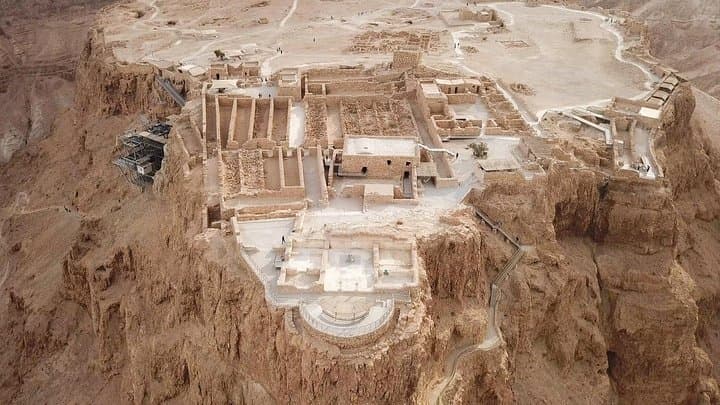
Masada was King Herod’s fortified palace and later the last holdout of Jewish rebels in 73–74 CE, its terraces, storerooms and bathhouses carved into limestone and basalt. Geologically the area records dramatic uplift and evaporation: the Dead Sea is the earth’s lowest exposed point and its brine leaves sculpted salt crusts and thick therapeutic mud. Culturally the route also brushes past the Good Samaritan road and Qumran, where the Dead Sea Scrolls were discovered — a corridor of history and faith.
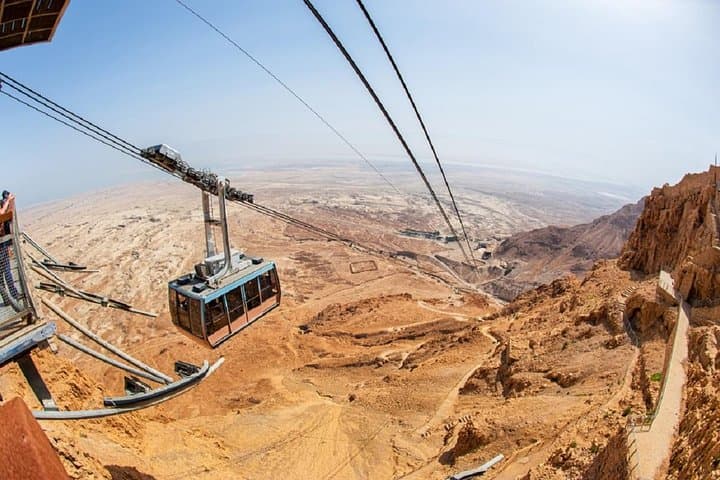
On a typical full-day run from Jerusalem (roughly 9 hours total), expect a cable-car ascent to Masada, a guided walk through Herodian remains, a drive past Ein Gedi’s oasis, and 90 minutes to float and mud-mask at the Dead Sea. Practicalities: bring a passport, sturdy shoes for uneven ruins, swimwear and towels, sun protection and plenty of water. The climb around Masada is exposed; mornings are cooler and quieter, while summer afternoons are intensely hot.
Respect fragile desert flora and the Dead Sea’s receding shoreline — avoid collecting salt formations and scrub off Dead Sea water before driving to protect vehicle components. This day trip balances archeology, stark desert geology and an unmistakable, almost tactile end-of-world shoreline that both dares and heals.
easy.
9 hours.
Suitable for most fitness levels; you should be able to walk on uneven surfaces and manage short stair sections.
The tour is approximately 9 hours round-trip, typically departing early morning and returning in the late afternoon.
Yes, the cable-car ascent to Masada is included as part of the tour inclusions.
You can float in the Dead Sea but avoid full immersion of the head; the high salinity can irritate eyes and open wounds.
This tour is not suitable for children under 4; older children can participate but the desert heat and uneven terrain require supervision.
Masada was fortified by Herod the Great and later became the site of a 1st-century CE mass stand against Roman forces; nearby Qumran is where the Dead Sea Scrolls were found in caves.
The Dead Sea is receding rapidly and the desert’s fragile plants are vulnerable to trampling; stick to marked paths, avoid removing salts and dispose of waste responsibly.
Bein Harim Ltd operates guided outdoor trips and adventures with an emphasis on safety, stewardship, and memorable experiences.
You step out of an air-conditioned coach into a raw, sunburnt landscape where the Judean Desert drops in a single, stubborn slope toward the Dead Sea. The stone plateau of Masada rises ahead — flat-topped, wind-swept, and edged by ancient walls — while in the distance the salt-scraped shoreline promises buoyant, mineral-rich water.
You step out of an air-conditioned coach into a raw, sunburnt landscape where the Judean Desert drops in a single, stubborn slope toward the Dead Sea. The stone plateau of Masada rises ahead — flat-topped, wind-swept, and edged by ancient walls — while in the distance the salt-scraped shoreline promises buoyant, mineral-rich water.
Masada was King Herod’s fortified palace and later the last holdout of Jewish rebels in 73–74 CE, its terraces, storerooms and bathhouses carved into limestone and basalt. Geologically the area records dramatic uplift and evaporation: the Dead Sea is the earth’s lowest exposed point and its brine leaves sculpted salt crusts and thick therapeutic mud. Culturally the route also brushes past the Good Samaritan road and Qumran, where the Dead Sea Scrolls were discovered — a corridor of history and faith.
On a typical full-day run from Jerusalem (roughly 9 hours total), expect a cable-car ascent to Masada, a guided walk through Herodian remains, a drive past Ein Gedi’s oasis, and 90 minutes to float and mud-mask at the Dead Sea. Practicalities: bring a passport, sturdy shoes for uneven ruins, swimwear and towels, sun protection and plenty of water. The climb around Masada is exposed; mornings are cooler and quieter, while summer afternoons are intensely hot.
Respect fragile desert flora and the Dead Sea’s receding shoreline — avoid collecting salt formations and scrub off Dead Sea water before driving to protect vehicle components. This day trip balances archeology, stark desert geology and an unmistakable, almost tactile end-of-world shoreline that both dares and heals.