THE ADVENTURE COLLECTIVE® · Independent discovery and booking for outdoor travel

Float in the Dead Sea and ride the cable car up Masada in a single day from Ashdod port. This guided shore excursion pairs Herod’s hilltop fortress and the mineral-rich beaches of Ein Bokek with museum context and desert views.
Float in the Dead Sea and ride the cable car up Masada in a single day from Ashdod port. This guided shore excursion pairs Herod’s hilltop fortress and the mineral-rich beaches of Ein Bokek with museum context and desert views.
You step off the gangway at Ashdod and into a window of desert light — the bus hums south while hills sharpen into the stark faces of the Judean Desert. In about two hours the plain drops away and Masada’s flat-topped rock rises; the cable car climbs to the 434 m summit and the Dead Sea unfurls below, a silver mirror held at the edge of the world.
Verified experiences and guided adventures in the surrounding area.
Operated by Bein Harim Ltd · Masada, Southern District
You step off the gangway at Ashdod and into a window of desert light — the bus hums south while hills sharpen into the stark faces of the Judean Desert. In about two hours the plain drops away and Masada’s flat-topped rock rises; the cable car climbs to the 434 m summit and the Dead Sea unfurls below, a silver mirror held at the edge of the world.
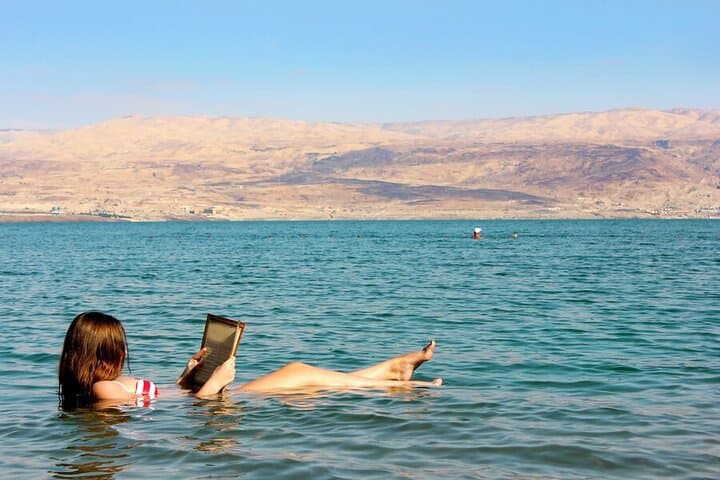
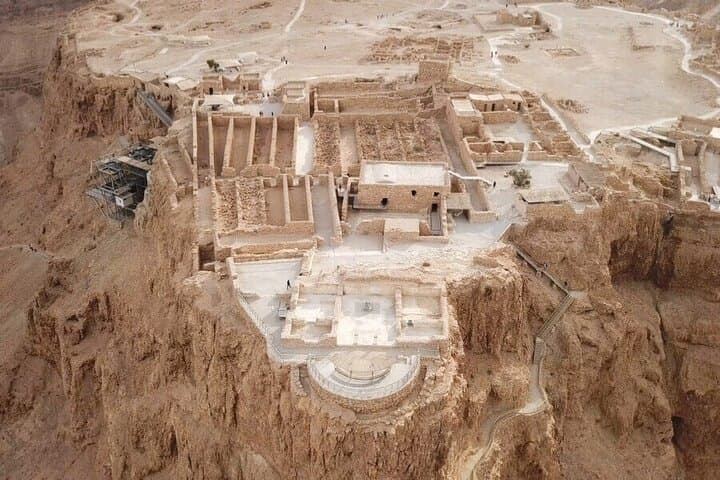
Masada is both archaeological site and dramatic story: Herod’s monumental hilltop palace built in the late 1st century BCE, later the last stronghold of Jewish rebels in 73–74 CE. The plateau’s ruins — storerooms, baths and mosaics — sit on a geological anchor of sedimentary rock carved by wind and flash floods. Downvalley, the Dead Sea is the planet’s lowest exposed land at roughly 430 m below sea level; its hyper-saline water and mineral-rich mud have drawn visitors and local industries for millennia.
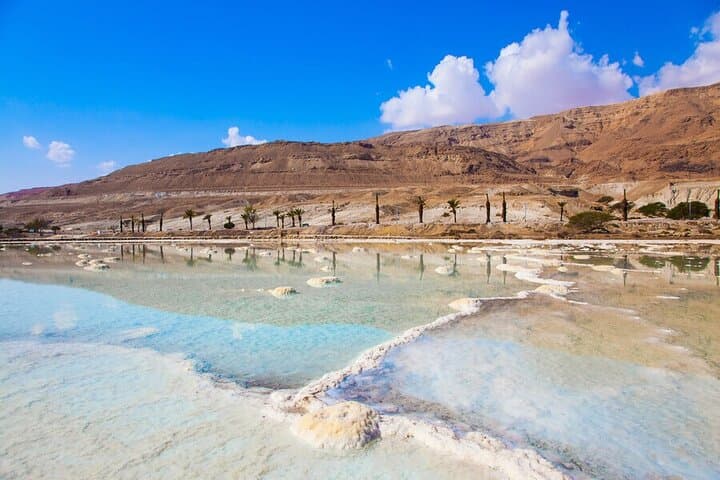
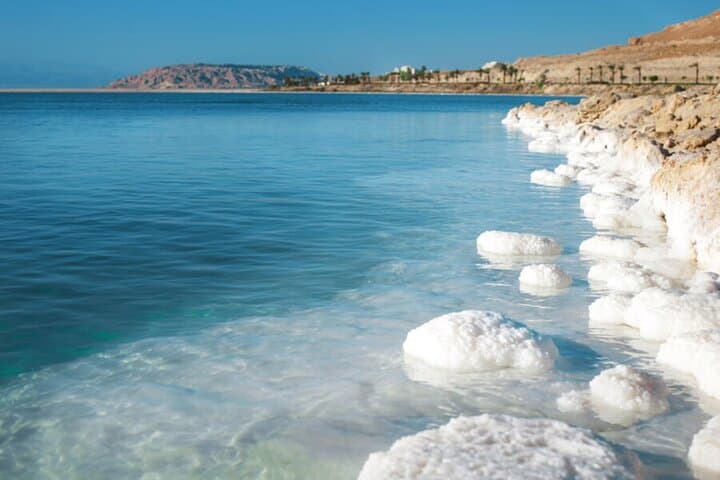
Culturally the day blends archaeology, nature and modern leisure: a museum and audiovisual introduction at Masada, then Ein Bokek’s resort beach for salt bathing and mud application. Expect stark desert panoramas, an electric silence over the salt flats and the odd migratory bird wheeling along the shore.
Practical edge: bring passport, plenty of water, sunscreen, hat and shoes that cope with uneven stone and slippery salt. The tour runs 8–9 hours; cable car and museum visits reduce steep climbs, but surfaces are rocky. Time your swim and mud session before reboarding — the operator returns you to Ashdod to meet your ship’s departure. Respect marked areas at Masada and avoid shaving or open wounds before floating in the Dead Sea.
easy.
8–9 hours.
Light fitness required — able to stand and walk on uneven archaeological surfaces for 60–90 minutes; minimal sustained climbing thanks to the cable car.
The tour runs approximately 8–9 hours (08:00–17:00 typical). Operators plan timing to return passengers to Ashdod before ship departure; late pickups may shorten the itinerary.
No — this shore excursion uses the Masada cable car to reach the summit, so steep climbing isn’t required, though some walking on uneven surfaces is involved.
Yes for most healthy travelers — avoid swallowing water, don’t float with open cuts, and keep eyes protected; follow guide instructions and rinse off with fresh water after your dip.
Wear a swimsuit and water shoes/sandals; bring a towel and a change of clothes. Avoid applying oils or lotions before entering the water.
Masada was fortified by King Herod in 37–31 BCE and later became the site of a famous siege in 73–74 CE; the plateau’s ruins reveal Roman and Herodian architecture.
The Dead Sea is receding due to water diversion and mineral extraction; visitors should avoid disturbing shorelines, pack out trash, and use freshwater rinse stations sparingly.
Bein Harim Ltd operates guided outdoor trips and adventures with an emphasis on safety, stewardship, and memorable experiences.
You step off the gangway at Ashdod and into a window of desert light — the bus hums south while hills sharpen into the stark faces of the Judean Desert. In about two hours the plain drops away and Masada’s flat-topped rock rises; the cable car climbs to the 434 m summit and the Dead Sea unfurls below, a silver mirror held at the edge of the world.
You step off the gangway at Ashdod and into a window of desert light — the bus hums south while hills sharpen into the stark faces of the Judean Desert. In about two hours the plain drops away and Masada’s flat-topped rock rises; the cable car climbs to the 434 m summit and the Dead Sea unfurls below, a silver mirror held at the edge of the world.
Masada is both archaeological site and dramatic story: Herod’s monumental hilltop palace built in the late 1st century BCE, later the last stronghold of Jewish rebels in 73–74 CE. The plateau’s ruins — storerooms, baths and mosaics — sit on a geological anchor of sedimentary rock carved by wind and flash floods. Downvalley, the Dead Sea is the planet’s lowest exposed land at roughly 430 m below sea level; its hyper-saline water and mineral-rich mud have drawn visitors and local industries for millennia.
Culturally the day blends archaeology, nature and modern leisure: a museum and audiovisual introduction at Masada, then Ein Bokek’s resort beach for salt bathing and mud application. Expect stark desert panoramas, an electric silence over the salt flats and the odd migratory bird wheeling along the shore.
Practical edge: bring passport, plenty of water, sunscreen, hat and shoes that cope with uneven stone and slippery salt. The tour runs 8–9 hours; cable car and museum visits reduce steep climbs, but surfaces are rocky. Time your swim and mud session before reboarding — the operator returns you to Ashdod to meet your ship’s departure. Respect marked areas at Masada and avoid shaving or open wounds before floating in the Dead Sea.