THE ADVENTURE COLLECTIVE® · Independent discovery and booking for outdoor travel

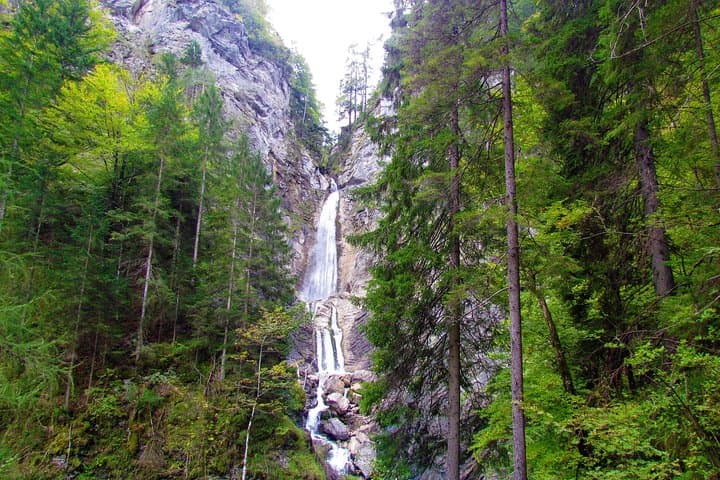
Follow a shaded trail from the valley to two free‑falling Martuljek waterfalls and an authentic charcoal pile. This 3‑hour hike mixes easy forest walking with a short, more technical extension to a 34‑metre cascade.
Follow a shaded trail from the valley to two free‑falling Martuljek waterfalls and an authentic charcoal pile. This 3‑hour hike mixes easy forest walking with a short, more technical extension to a 34‑metre cascade.
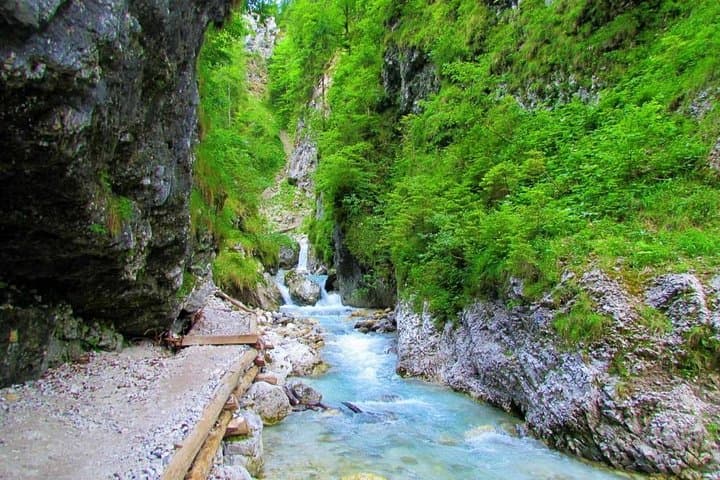
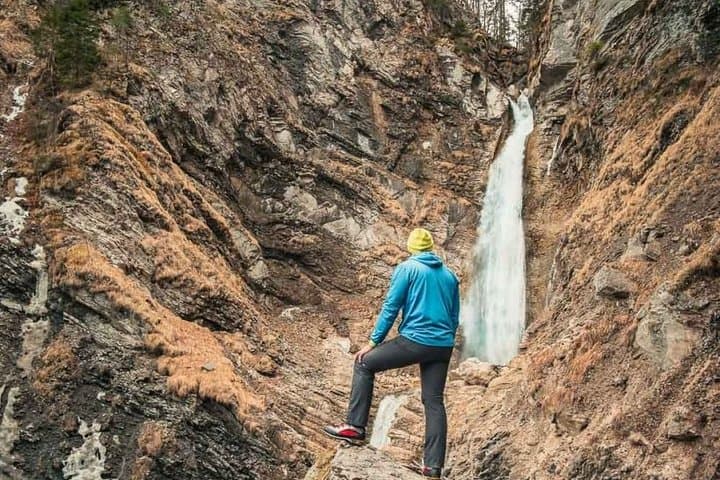
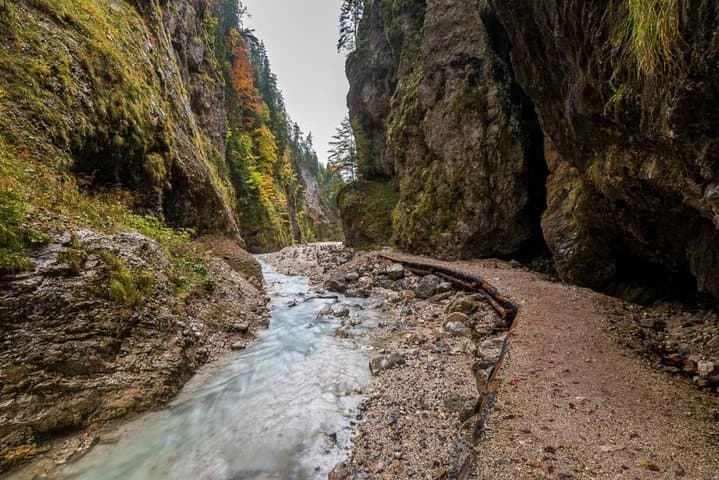
The path begins in cool, salt-and-earth air as the forest narrows and the stream begins to speak—first as a whisper, then as a roar. Hikers follow a shaded trail that lifts steadily toward two free-falling curtains of water: a 29‑metre drop and a more dramatic 34‑metre fall that frames a natural amphitheater beneath the north face of Špik.
Verified experiences and guided adventures in the surrounding area.
Operated by Slovenia Activities · Gozd Martuljek, Upper Carniola
The path begins in cool, salt-and-earth air as the forest narrows and the stream begins to speak—first as a whisper, then as a roar. Hikers follow a shaded trail that lifts steadily toward two free-falling curtains of water: a 29‑metre drop and a more dramatic 34‑metre fall that frames a natural amphitheater beneath the north face of Špik.
Geology here is blunt and honest: glacially carved limestone and dolomite cliffs funnel snowmelt into narrow channels, producing falls that change with the season. The route crosses beech and spruce stands that historically supplied wood for charcoal makers; a surviving traditional charcoal pile on the descent illustrates a craft that kept local villages burning through Alpine winters.
Culturally the area sits within the Julian Alps’ mountain farming landscape—trail networks once linked pastures, mills, and mountain huts. Look for carved trail markers and old boundary stones that map human presence across the rocks.
Practical guidance: expect a 3‑5 km round trip with roughly 150–300 m elevation gain, marked woodland paths that become rockier and steeper toward the second fall, and an optional exposed section that requires basic scrambling and surefootedness. Plan for slippery rock near the plunge pools, bring layered waterproofs, and time your visit for morning or late afternoon light to avoid crowds and to catch the falls at peak flow in spring or after rain. The return route takes you past the charcoal pile—an easy stop to see traditional methods before the forest settles you back toward the valley.
moderate.
3 hours.
Suitable for hikers with basic fitness; short steep sections and an optional exposed scramble require good balance and stamina.
Expect roughly 3–5 km round trip and about 3 hours including stops; the optional extension to the second fall adds steeper, rockier terrain.
The first section is easy and family‑friendly, but the optional route to the larger fall has exposed and slippery parts—supervise children and consider turning back if footing is uncertain.
Dogs are generally allowed but should be kept on a leash near the falls and around livestock; bring water and watch for slippery areas.
No permit is needed for the public trail; a guide is useful if you plan the technical extension or want cultural context at the charcoal pile.
The charcoal pile demonstrates a centuries‑old local craft; wood harvested from nearby slopes was slowly converted to charcoal for heating and metalwork in the alpine villages.
Stick to marked trails to protect fragile alpine vegetation and avoid disturbing water sources; seasonal closures may be enforced to protect nesting birds and regenerating slopes.
Slovenia Activities operates guided outdoor trips and adventures with an emphasis on safety, stewardship, and memorable experiences.
The path begins in cool, salt-and-earth air as the forest narrows and the stream begins to speak—first as a whisper, then as a roar. Hikers follow a shaded trail that lifts steadily toward two free-falling curtains of water: a 29‑metre drop and a more dramatic 34‑metre fall that frames a natural amphitheater beneath the north face of Špik.
The path begins in cool, salt-and-earth air as the forest narrows and the stream begins to speak—first as a whisper, then as a roar. Hikers follow a shaded trail that lifts steadily toward two free-falling curtains of water: a 29‑metre drop and a more dramatic 34‑metre fall that frames a natural amphitheater beneath the north face of Špik.
Geology here is blunt and honest: glacially carved limestone and dolomite cliffs funnel snowmelt into narrow channels, producing falls that change with the season. The route crosses beech and spruce stands that historically supplied wood for charcoal makers; a surviving traditional charcoal pile on the descent illustrates a craft that kept local villages burning through Alpine winters.
Culturally the area sits within the Julian Alps’ mountain farming landscape—trail networks once linked pastures, mills, and mountain huts. Look for carved trail markers and old boundary stones that map human presence across the rocks.
Practical guidance: expect a 3‑5 km round trip with roughly 150–300 m elevation gain, marked woodland paths that become rockier and steeper toward the second fall, and an optional exposed section that requires basic scrambling and surefootedness. Plan for slippery rock near the plunge pools, bring layered waterproofs, and time your visit for morning or late afternoon light to avoid crowds and to catch the falls at peak flow in spring or after rain. The return route takes you past the charcoal pile—an easy stop to see traditional methods before the forest settles you back toward the valley.