THE ADVENTURE COLLECTIVE® · Independent discovery and booking for outdoor travel

A half‑day circuit along Martinique's southwest coast that pairs a rum distillery visit with market stops, the iconic Diamond Rock, and a long swim at Grande Anse d'Arlet. Perfect for travelers wanting a compact mix of culture, geology, and beach time.
A half‑day circuit along Martinique's southwest coast that pairs a rum distillery visit with market stops, the iconic Diamond Rock, and a long swim at Grande Anse d'Arlet. Perfect for travelers wanting a compact mix of culture, geology, and beach time.
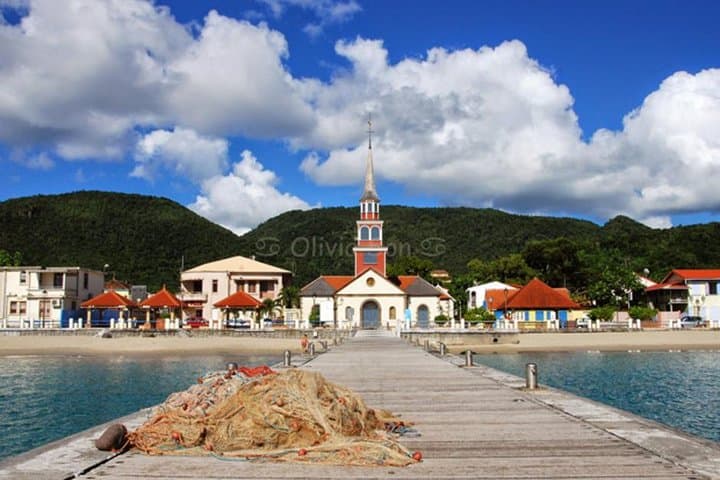
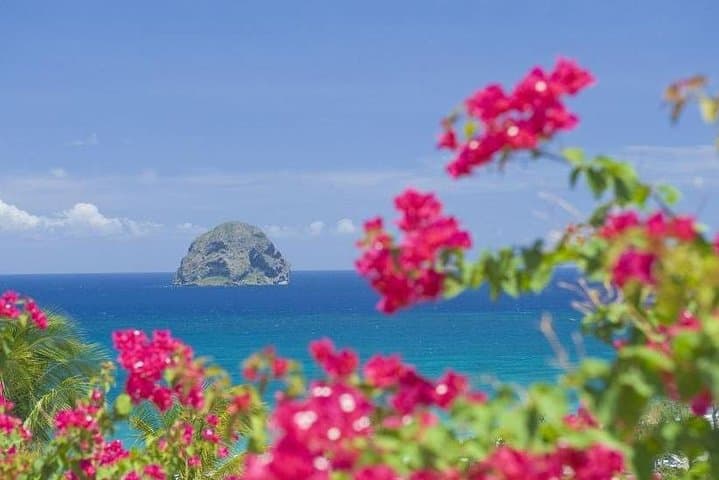
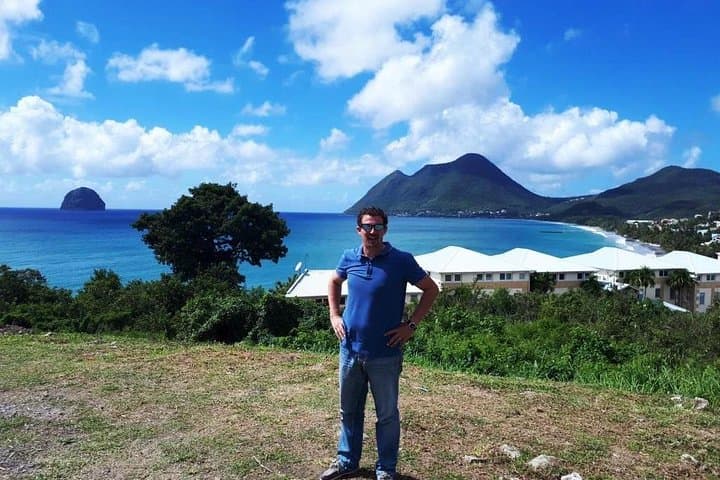
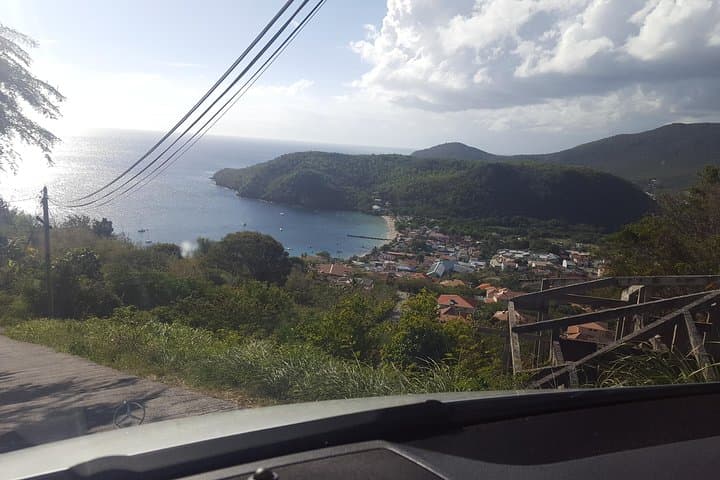
You step out of the air‑conditioned van into warm, salt‑thick air and a horizon defined by a lone volcanic rock—Rocher du Diamant—cutting the sea. The road that brought you here threads past sugarcane fields and coral‑lined coves, and for the next five hours the island turns into a series of short, sensory postcards: a working distillery, a market by the bay, a memorial on a coastal promontory, and sand that invites a slow, cooling swim.
Verified experiences and guided adventures in the surrounding area.
Operated by Transport Norden Vincent/Sebastiano Tours · Les Anses-d'Arlet, Martinique
You step out of the air‑conditioned van into warm, salt‑thick air and a horizon defined by a lone volcanic rock—Rocher du Diamant—cutting the sea. The road that brought you here threads past sugarcane fields and coral‑lined coves, and for the next five hours the island turns into a series of short, sensory postcards: a working distillery, a market by the bay, a memorial on a coastal promontory, and sand that invites a slow, cooling swim.
The route traces the south‑west edge of Martinique, where volcanic geology raised rocky promontories and created sheltered bays. Rum here is a living history; distilleries like Trois Rivières grew from 17th–19th century sugar plantations and still press cane juice that shapes local cuisine and culture. Rocher du Diamant is an igneous plug with naval history; nearby towns grew as fishing and market centers with Creole influence visible in architecture and food.
Practical side: expect frequent short stops—20 to 90 minutes each—so pack a day bag. Morning departures avoid mid‑day heat and give clearer views of the rock. Bring reef‑safe sunscreen, swimwear for Grande Anse d'Arlet's calm water, cash for small market purchases, and comfortable shoes for quick walks and memorial steps. Local guides often include tastings and light snacks; if you plan to taste rum, designating a driver or using provided transport is sensible. The tour is relaxed in pace but rich in variety: geology, history, tasting, and a seaside pause—an efficient introduction to the island's southern personality.
easy.
5–6 hours.
Suitable for most fitness levels; involves short walks and standing at viewpoints
The tour lasts about 5 to 6 hours with multiple stops including a distillery, market, memorial, and beach.
Local tastings are typically offered at the rum distillery; check age restrictions and consume responsibly.
Yes—the operator notes stroller accessibility and infant seats are available, but some short walks and beach access require moderate mobility.
Bring swimwear, a towel, reef‑safe sunscreen, water, and small cash for local vendors or restrooms.
The south coast grew around sugarcane plantations and rum production; distilleries like Trois Rivières evolved from that colonial agricultural economy.
Coastal reefs and beaches face pressure from tourism and runoff; use reef‑safe products, stay on marked paths, and support local businesses that follow sustainable practices.
Transport Norden Vincent/Sebastiano Tours operates guided outdoor trips and adventures with an emphasis on safety, stewardship, and memorable experiences.
You step out of the air‑conditioned van into warm, salt‑thick air and a horizon defined by a lone volcanic rock—Rocher du Diamant—cutting the sea. The road that brought you here threads past sugarcane fields and coral‑lined coves, and for the next five hours the island turns into a series of short, sensory postcards: a working distillery, a market by the bay, a memorial on a coastal promontory, and sand that invites a slow, cooling swim.
You step out of the air‑conditioned van into warm, salt‑thick air and a horizon defined by a lone volcanic rock—Rocher du Diamant—cutting the sea. The road that brought you here threads past sugarcane fields and coral‑lined coves, and for the next five hours the island turns into a series of short, sensory postcards: a working distillery, a market by the bay, a memorial on a coastal promontory, and sand that invites a slow, cooling swim.
The route traces the south‑west edge of Martinique, where volcanic geology raised rocky promontories and created sheltered bays. Rum here is a living history; distilleries like Trois Rivières grew from 17th–19th century sugar plantations and still press cane juice that shapes local cuisine and culture. Rocher du Diamant is an igneous plug with naval history; nearby towns grew as fishing and market centers with Creole influence visible in architecture and food.
Practical side: expect frequent short stops—20 to 90 minutes each—so pack a day bag. Morning departures avoid mid‑day heat and give clearer views of the rock. Bring reef‑safe sunscreen, swimwear for Grande Anse d'Arlet's calm water, cash for small market purchases, and comfortable shoes for quick walks and memorial steps. Local guides often include tastings and light snacks; if you plan to taste rum, designating a driver or using provided transport is sensible. The tour is relaxed in pace but rich in variety: geology, history, tasting, and a seaside pause—an efficient introduction to the island's southern personality.