THE ADVENTURE COLLECTIVE® · Independent discovery and booking for outdoor travel

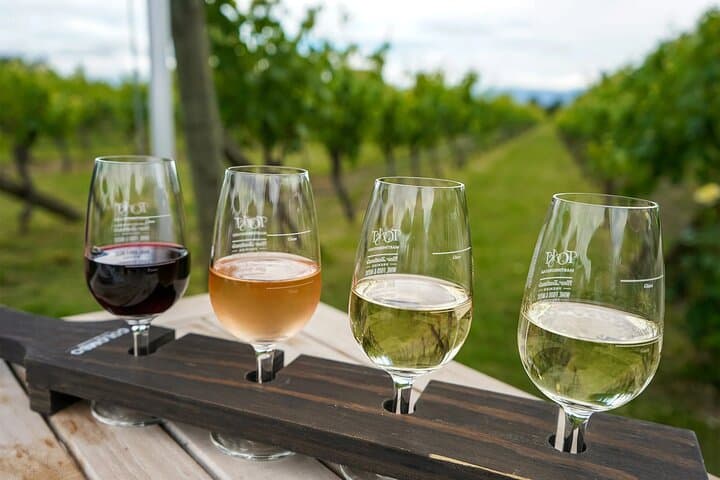
Cross the Rimutaka Hill into Wairarapa for a compact day of vineyard visits, tasting paddles and a town-square lunch in Martinborough. This guided day trip pairs scenic backroads with boutique cellar doors and local food stops.
Cross the Rimutaka Hill into Wairarapa for a compact day of vineyard visits, tasting paddles and a town-square lunch in Martinborough. This guided day trip pairs scenic backroads with boutique cellar doors and local food stops.
You leave Wellington, the bus easing up and over the Rimutaka Hill as scrubby ridges and sheep-patched paddocks push in around you. By mid-morning the landscape opens to low, wind-sculpted vines; the air here is drier and warmer than Wellington’s, a microclimate that lets Pinot Noir ripen with a clarity you can taste in a first sip.
Verified experiences and guided adventures in the surrounding area.
Operated by Ka Rawe Tours · Martinborough, Wellington Region
You leave Wellington, the bus easing up and over the Rimutaka Hill as scrubby ridges and sheep-patched paddocks push in around you. By mid-morning the landscape opens to low, wind-sculpted vines; the air here is drier and warmer than Wellington’s, a microclimate that lets Pinot Noir ripen with a clarity you can taste in a first sip.
Martinborough’s character is plain to see: a compact town square ringed by cellar doors, small cafés and artisan shops. The area was settled in the late 19th century and later developed into a recognized wine district thanks to sheltered terraces and free-draining soils of gravel and silt—conditions that encourage concentrated fruit and elegant structure in the wines. Local growers favor low-intervention methods; many boutique producers focus on single-vineyard expression and small-batch fermentations.
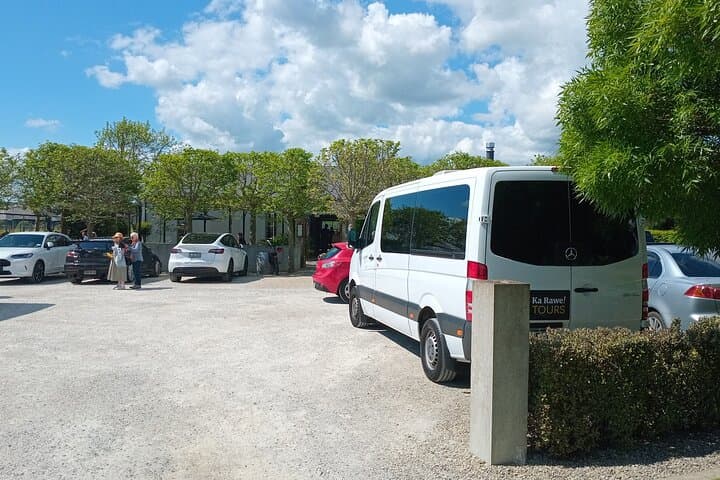
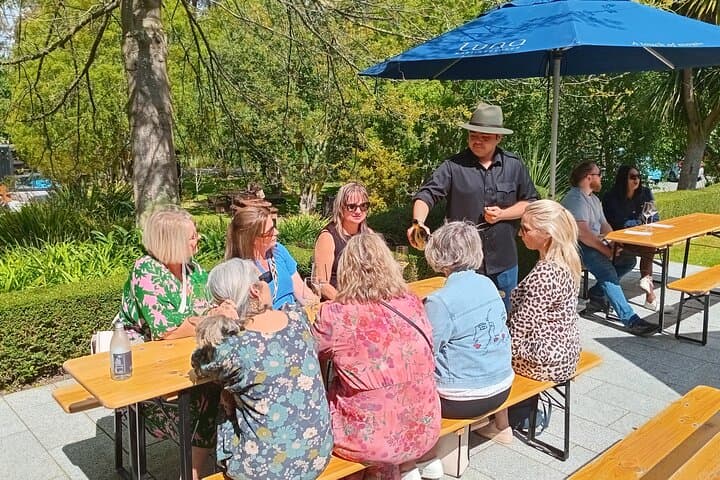
This trip strings together two tasting stops, a cheese-and-coffee break and a leisurely hour for lunch and a town stroll—an efficient way to sample the region’s Pinot and the hospitality of its cellar doors. Expect short walking between venues, gravel driveways and outdoor tasting benches when weather allows.
Practical guidance: book the confirmed pickup point in Wellington, bring ID for tastings, and plan lunch either on-site or in Martinborough’s square. Sun and wind are the main weather factors—pack a windproof layer and sunscreen. Hydrate between tastings and keep waste to a minimum; many producers welcome sensible questions about their farming and cellar practices.
easy.
7 hours.
Light activity; suitable for people comfortable with short walks and standing during tastings
Pickup is typically at 217 Wakefield Street in central Wellington; confirm your chosen pick-up when booking.
Lunch is not included—there’s time for a sit-down meal in Martinborough and the guide will point out recommended options.
Yes, non-drinkers can enjoy the scenery and food stops; infants are allowed but must sit on laps and be supervised.
The itinerary lists wheelchair-accessible sites and vehicles, but accessibility can vary by cellar door—advise the operator of needs when booking.
Martinborough was laid out around a central square in the late 19th century and later shifted from pastoral farming toward high-quality viticulture in the late 20th century.
Many local wineries practice sustainable vineyard management and minimal-intervention winemaking; visitors are encouraged to minimize waste and respect private vineyard property.
Ka Rawe Tours operates guided outdoor trips and adventures with an emphasis on safety, stewardship, and memorable experiences.
You leave Wellington, the bus easing up and over the Rimutaka Hill as scrubby ridges and sheep-patched paddocks push in around you. By mid-morning the landscape opens to low, wind-sculpted vines; the air here is drier and warmer than Wellington’s, a microclimate that lets Pinot Noir ripen with a clarity you can taste in a first sip.
You leave Wellington, the bus easing up and over the Rimutaka Hill as scrubby ridges and sheep-patched paddocks push in around you. By mid-morning the landscape opens to low, wind-sculpted vines; the air here is drier and warmer than Wellington’s, a microclimate that lets Pinot Noir ripen with a clarity you can taste in a first sip.
Martinborough’s character is plain to see: a compact town square ringed by cellar doors, small cafés and artisan shops. The area was settled in the late 19th century and later developed into a recognized wine district thanks to sheltered terraces and free-draining soils of gravel and silt—conditions that encourage concentrated fruit and elegant structure in the wines. Local growers favor low-intervention methods; many boutique producers focus on single-vineyard expression and small-batch fermentations.
This trip strings together two tasting stops, a cheese-and-coffee break and a leisurely hour for lunch and a town stroll—an efficient way to sample the region’s Pinot and the hospitality of its cellar doors. Expect short walking between venues, gravel driveways and outdoor tasting benches when weather allows.
Practical guidance: book the confirmed pickup point in Wellington, bring ID for tastings, and plan lunch either on-site or in Martinborough’s square. Sun and wind are the main weather factors—pack a windproof layer and sunscreen. Hydrate between tastings and keep waste to a minimum; many producers welcome sensible questions about their farming and cellar practices.