THE ADVENTURE COLLECTIVE® · Independent discovery and booking for outdoor travel

Float three miles down the tranquil Martha Brae River on a 30-foot bamboo raft piloted by an experienced captain. This half-day private tour from Falmouth pairs a gentle, shaded river passage with cultural touches like an herb-garden talk and a nearby jerk lunch stop.
Float three miles down the tranquil Martha Brae River on a 30-foot bamboo raft piloted by an experienced captain. This half-day private tour from Falmouth pairs a gentle, shaded river passage with cultural touches like an herb-garden talk and a nearby jerk lunch stop.
The raft glides out from a small, manicured lawn and the river draws you into a cooler world: palms leaning like watchful hands, water riffling over submerged roots, and the captain coaxing the bamboo platform forward with a single pole.
Verified experiences and guided adventures in the surrounding area.
Operated by Byrons Jamaica Tours · Falmouth, Trelawny
The raft glides out from a small, manicured lawn and the river draws you into a cooler world: palms leaning like watchful hands, water riffling over submerged roots, and the captain coaxing the bamboo platform forward with a single pole.
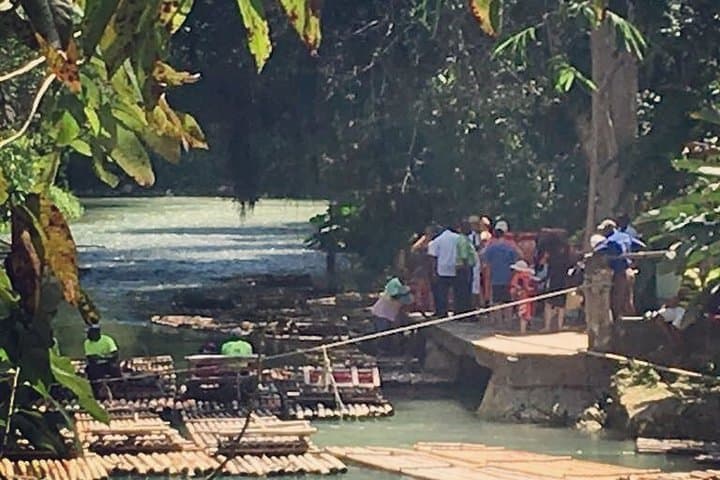
Martha Brae sits in Trelawny Parish on Jamaica’s north coast—an alluvial river carved through limestone and alluvium, widened and slowed by a natural horseshoe island where rafters launch. The craft and custom trace back generations: timber and bamboo rafts have been used here since colonial times for transport and now for quiet tourism. Local life around the river mixes agricultural plots, herb gardens, and roadside jerk stands where smoky aromas mark Jamaican culinary culture.
Expect about a three-mile float that favors relaxation over exertion: the current moves you, the captain reads the water and points out birds, medicinal herbs, and low limestone banks. The landscape is intimate rather than panoramic—shade-dappled river corridors and occasional openings to farmland.
Practical guidance: book morning or late afternoon to avoid the brightest sun; wear water shoes and a hat, bring a small dry bag and bottled water. The Rafters Village offers basic facilities—restrooms, a herb garden tour, souvenir stalls and nearby jerk cuisine options if you want a post-raft meal. Life jackets are standard, and the tour is suitable for most fitness levels, families included. Move slowly on the raft, respect local guides, and keep sunscreen and litter out of the water to protect the river’s clear current.
easy.
3–4 hours.
Suitable for most fitness levels; primarily a seated, low-impact experience with short transfers and minimal walking.
Yes—operators typically provide life jackets and expect passengers to wear them, though the float is gentle and shallow in most sections.
Yes—this is an easy, low-impact activity suitable for children and adults; infant seats and assistance are often available on request.
The river passage itself runs about three miles and takes roughly 60–90 minutes depending on current and stops for viewing.
Yes—transfers from Falmouth cruise port are commonly included; follow the operator’s pickup instructions inside the port area.
Martha Brae has long been a transport route and local resource in Trelawny; bamboo rafting evolved from practical river travel into a cultural tourist craft over the 20th century.
Operators rely on a healthy river—avoid applying lotion or sunscreen before entering the water, carry out all trash, and choose operators who practice low-impact rafting.
Byrons Jamaica Tours operates guided outdoor trips and adventures with an emphasis on safety, stewardship, and memorable experiences.
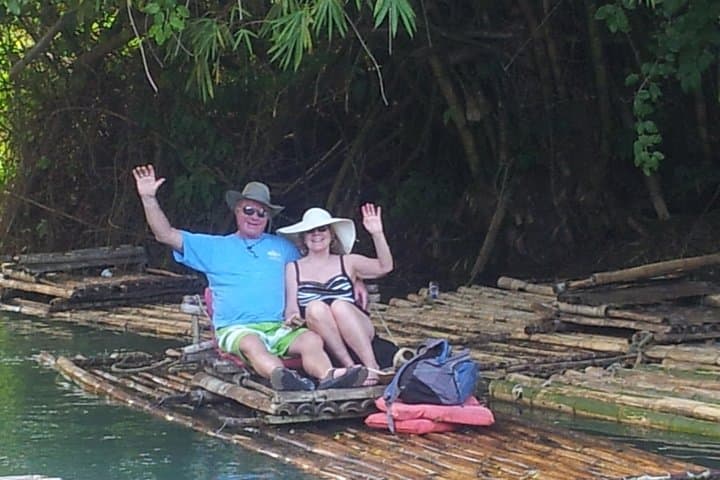
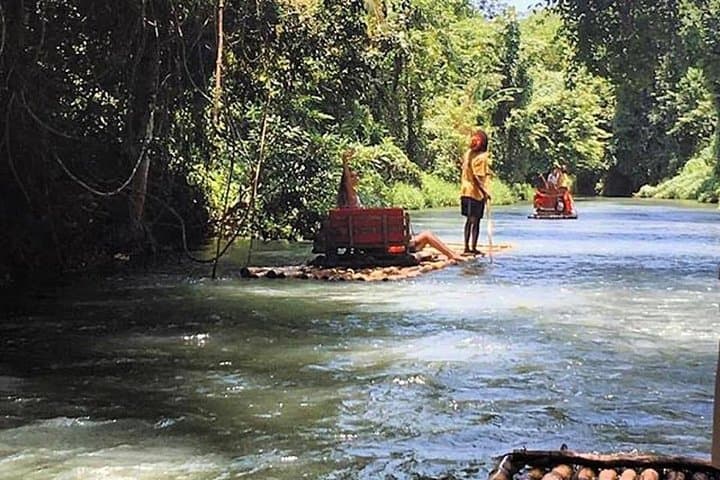
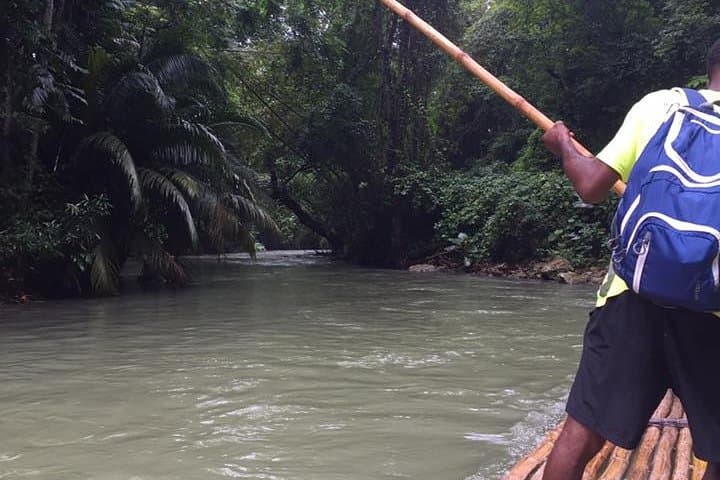
The raft glides out from a small, manicured lawn and the river draws you into a cooler world: palms leaning like watchful hands, water riffling over submerged roots, and the captain coaxing the bamboo platform forward with a single pole.
The raft glides out from a small, manicured lawn and the river draws you into a cooler world: palms leaning like watchful hands, water riffling over submerged roots, and the captain coaxing the bamboo platform forward with a single pole.
Martha Brae sits in Trelawny Parish on Jamaica’s north coast—an alluvial river carved through limestone and alluvium, widened and slowed by a natural horseshoe island where rafters launch. The craft and custom trace back generations: timber and bamboo rafts have been used here since colonial times for transport and now for quiet tourism. Local life around the river mixes agricultural plots, herb gardens, and roadside jerk stands where smoky aromas mark Jamaican culinary culture.
Expect about a three-mile float that favors relaxation over exertion: the current moves you, the captain reads the water and points out birds, medicinal herbs, and low limestone banks. The landscape is intimate rather than panoramic—shade-dappled river corridors and occasional openings to farmland.
Practical guidance: book morning or late afternoon to avoid the brightest sun; wear water shoes and a hat, bring a small dry bag and bottled water. The Rafters Village offers basic facilities—restrooms, a herb garden tour, souvenir stalls and nearby jerk cuisine options if you want a post-raft meal. Life jackets are standard, and the tour is suitable for most fitness levels, families included. Move slowly on the raft, respect local guides, and keep sunscreen and litter out of the water to protect the river’s clear current.