THE ADVENTURE COLLECTIVE® · Independent discovery and booking for outdoor travel

Float three miles down the Martha Brae on a traditional 30-foot bamboo raft, guided by a local boatman who narrates river legends. This easy, family-friendly float includes optional swimming spots, private transport from Falmouth, and a relaxed glimpse of Trelawny’s riverside life.
Float three miles down the Martha Brae on a traditional 30-foot bamboo raft, guided by a local boatman who narrates river legends. This easy, family-friendly float includes optional swimming spots, private transport from Falmouth, and a relaxed glimpse of Trelawny’s riverside life.
The raft nudges away from a shaded bank and the Martha Brae obliges, carrying you downstream under a roof of mango and guango trees. The bamboo platform—about 30 feet long—slides with the current along a 3-mile (4.8 km) stretch of calm, clear water; the boatman’s pole taps a steady rhythm while birds call from the canopy and the river cools the air.
Verified experiences and guided adventures in the surrounding area.
Operated by Ellis Tours & Transfers · Falmouth, Trelawny Parish
The raft nudges away from a shaded bank and the Martha Brae obliges, carrying you downstream under a roof of mango and guango trees. The bamboo platform—about 30 feet long—slides with the current along a 3-mile (4.8 km) stretch of calm, clear water; the boatman’s pole taps a steady rhythm while birds call from the canopy and the river cools the air.
This stretch of the Martha Brae cuts through low limestone country formed by ancient coral and freshwater springs; locals tell stories of the river’s name—legends of a Taino woman and later colonial-era lore—so oral history threads every bend. Trelawny’s sugar-era plantations shaped the surrounding landscape and the small towns you pass reflect a Georgian-era trade history, while raftsmen keep their own traditions: songs, herbal lore and the practiced skill of steering with a single pole.
Practical guidance: the trip runs about four hours including transfers; rafts hold two adults (plus one child under 9) and guides often invite a quick swim where currents are gentle. Wear quick-dry layers and water shoes; bring biodegradable sunscreen, insect repellent and a towel. Expect easy physical demands—this is a relaxed float rather than whitewater—but be ready to climb in and out of the raft, and follow the guide’s safety briefing.
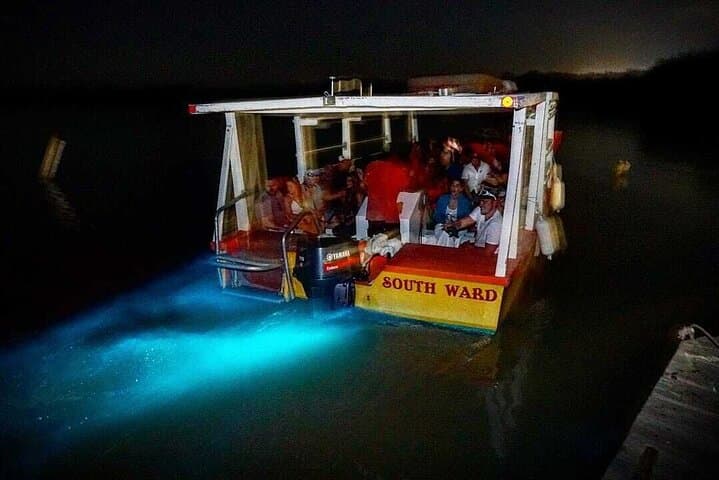
Plan morning departures for cooler light and fewer boats; consider combining the rafting with nearby sights in Falmouth or an evening visit to the Luminous Lagoon. Respect the riverbanks, pack out trash, and tip your raft captain for local stewardship and storytelling that bring the place to life.
easy.
4 hours.
Minimal fitness required; able to step on/off a raft and sit for an hour stretches
The float itself covers about 3 miles (4.8 km) and the whole excursion, including transport and brief stops, typically lasts about four hours.
Yes—guides usually allow short swims in calm sections; follow the guide’s instructions and avoid deep or fast areas.
Yes; rafts accommodate two adults plus one child under 9, but small children should remain seated and wear life vests when provided.
Private air-conditioned transportation is often included from Falmouth and nearby hotels—confirm pickup details at booking.
The Martha Brae flows through Trelawny Parish, an area shaped by sugar plantations and colonial trade; the river’s name and many local tales derive from indigenous Taino and early colonial-era stories.
Operators encourage no-trace practices—avoid single-use plastics, use biodegradable products and respect riverbanks to protect spring-fed water quality.
Ellis Tours & Transfers operates guided outdoor trips and adventures with an emphasis on safety, stewardship, and memorable experiences.
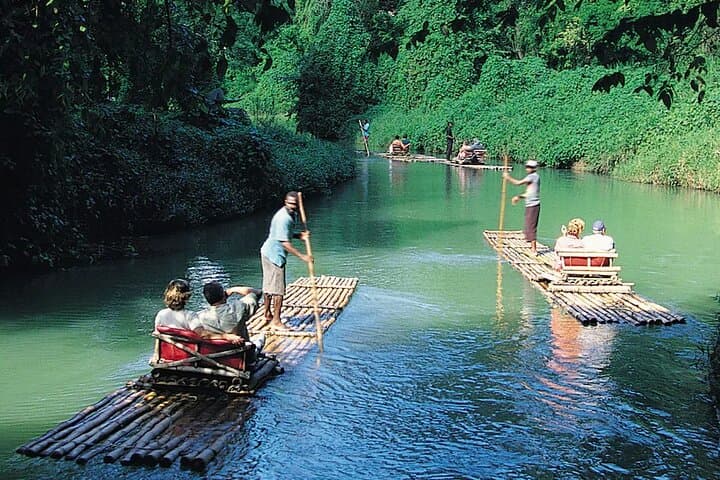
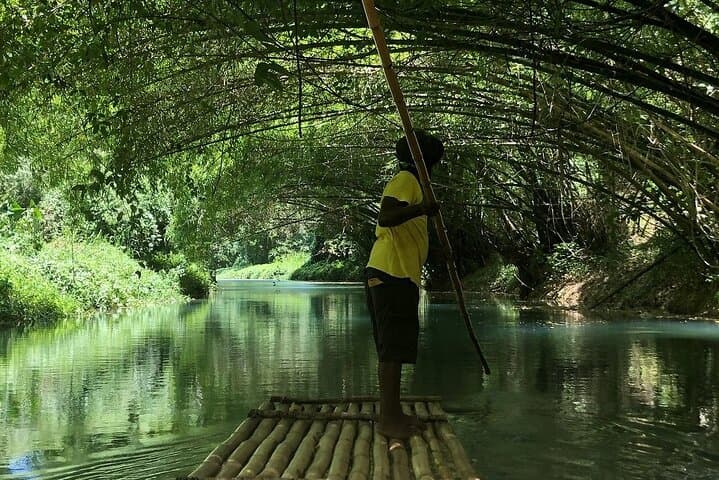

The raft nudges away from a shaded bank and the Martha Brae obliges, carrying you downstream under a roof of mango and guango trees. The bamboo platform—about 30 feet long—slides with the current along a 3-mile (4.8 km) stretch of calm, clear water; the boatman’s pole taps a steady rhythm while birds call from the canopy and the river cools the air.
The raft nudges away from a shaded bank and the Martha Brae obliges, carrying you downstream under a roof of mango and guango trees. The bamboo platform—about 30 feet long—slides with the current along a 3-mile (4.8 km) stretch of calm, clear water; the boatman’s pole taps a steady rhythm while birds call from the canopy and the river cools the air.
This stretch of the Martha Brae cuts through low limestone country formed by ancient coral and freshwater springs; locals tell stories of the river’s name—legends of a Taino woman and later colonial-era lore—so oral history threads every bend. Trelawny’s sugar-era plantations shaped the surrounding landscape and the small towns you pass reflect a Georgian-era trade history, while raftsmen keep their own traditions: songs, herbal lore and the practiced skill of steering with a single pole.
Practical guidance: the trip runs about four hours including transfers; rafts hold two adults (plus one child under 9) and guides often invite a quick swim where currents are gentle. Wear quick-dry layers and water shoes; bring biodegradable sunscreen, insect repellent and a towel. Expect easy physical demands—this is a relaxed float rather than whitewater—but be ready to climb in and out of the raft, and follow the guide’s safety briefing.
Plan morning departures for cooler light and fewer boats; consider combining the rafting with nearby sights in Falmouth or an evening visit to the Luminous Lagoon. Respect the riverbanks, pack out trash, and tip your raft captain for local stewardship and storytelling that bring the place to life.