THE ADVENTURE COLLECTIVE® · Independent discovery and booking for outdoor travel

Glide three miles down the Martha Brae River on a 30-foot bamboo raft steered by a skilled captain. This calm, scenic float blends local legends, warm swimming holes and a relaxed Jamaican river rhythm.
Glide three miles down the Martha Brae River on a 30-foot bamboo raft steered by a skilled captain. This calm, scenic float blends local legends, warm swimming holes and a relaxed Jamaican river rhythm.
You push off from a low wooden bank and the raft slides into a slow ribbon of green water; the captain stands at the stern, pole in hand, steering you past overhanging fig and bamboo while the current teases and guides.
Verified experiences and guided adventures in the surrounding area.
Operated by El Sol Vida · Martha Brae, Trelawny Parish
You push off from a low wooden bank and the raft slides into a slow ribbon of green water; the captain stands at the stern, pole in hand, steering you past overhanging fig and bamboo while the current teases and guides.
The Martha Brae River is a lowland limestone river that has carved gentle bends through Trelawny’s coastal plain. Locals tell stories of a runaway Taino woman, Martha, whose name became attached to the river; later the valley supported sugar estates, and the raft tradition grew as a relaxed means of moving people and goods. Expect shaded tunnels of vegetation, limestone banks pocked with small caves, and warm pools where the raft pauses and swimmers drop in.
Culturally the experience leans social — captains often share folklore and song while you float. Geologically the river’s mild riffles and shallow rapids reflect Jamaica’s karst landscape; nothing technical, but the water can feel lively after rain.
Practical guidance: the trip is a 3–4 hour round-trip tour (about 3 miles/4.8 km on the raft). Wear swimwear under clothes, bring a towel, reef-safe sunscreen and water shoes with good soles. If you’re prone to sunburn or prone to cold after a swim, bring a light layer for the return vehicle. Cameras are fine but keep them dry; many captains will pose for photos from the raft.
This tour is family-friendly and low-impact if you follow your guide’s instructions — keep to designated swimming spots, don’t feed wildlife, and take trash back to shore. Peak comfort comes early morning or late afternoon when the light softens and the river runs coolest.
easy.
3–4 hours.
Suitable for most fitness levels; you should be comfortable stepping on/off a low raft and swimming briefly.
The raft portion covers about 3 miles (4.8 km) and lasts roughly 1.5–2 hours as part of a 3–4 hour tour including transfers.
Yes — the tour is family-friendly but children must be accompanied by an adult and wear appropriate footwear and life protection if required.
Yes; captains usually stop at warm pools and designated spots for swimming and rope swings, but follow the captain’s guidance for safety.
Tipping is customary for good service; plan for local currency or small bills to show appreciation.
The river’s name carries folklore about a Taino woman, and the valley later supported sugar plantations — rafting grew as a low-impact way to move people through tidal creeks and calm stretches.
The river benefits from low-impact tourism; avoid single-use plastics, use reef-safe sunscreen, and support licensed local operators who prioritize waste management.
El Sol Vida operates guided outdoor trips and adventures with an emphasis on safety, stewardship, and memorable experiences.
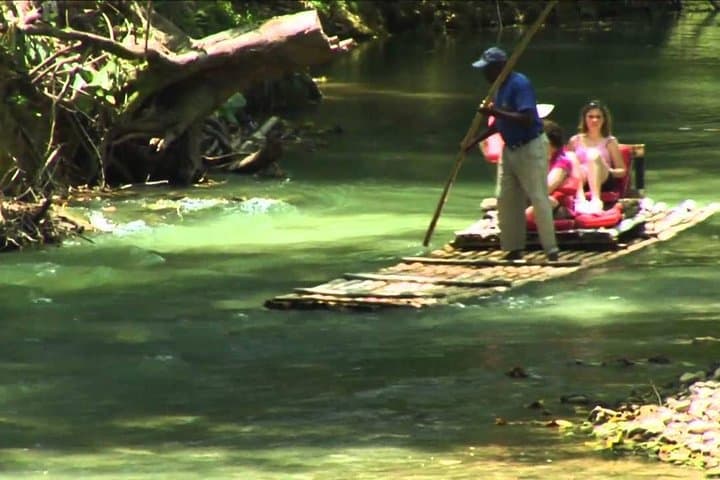
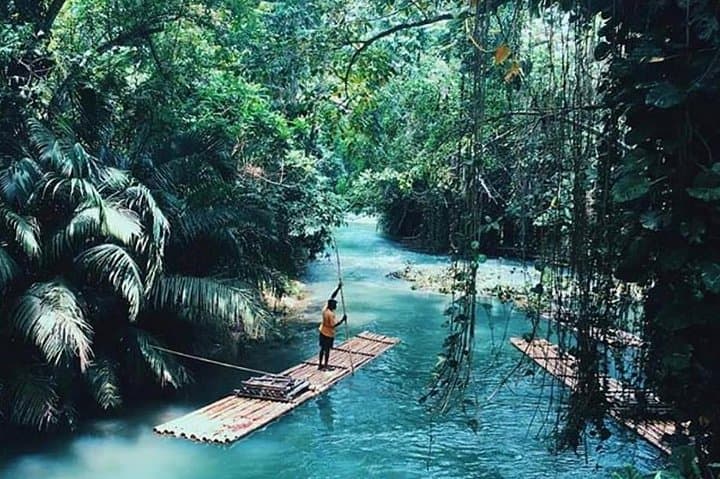
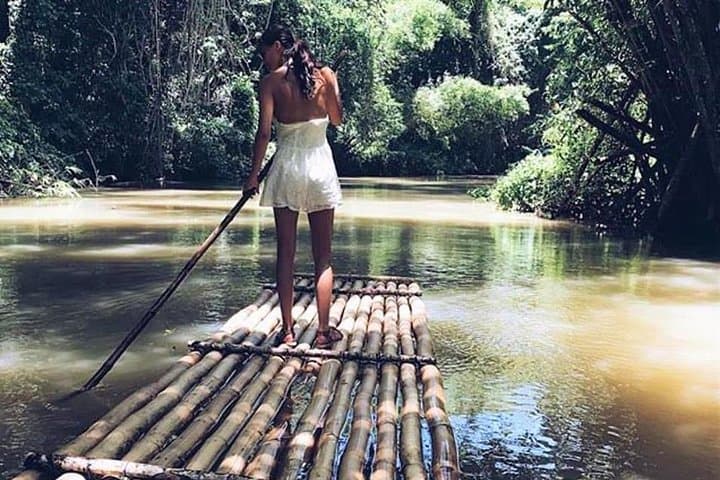
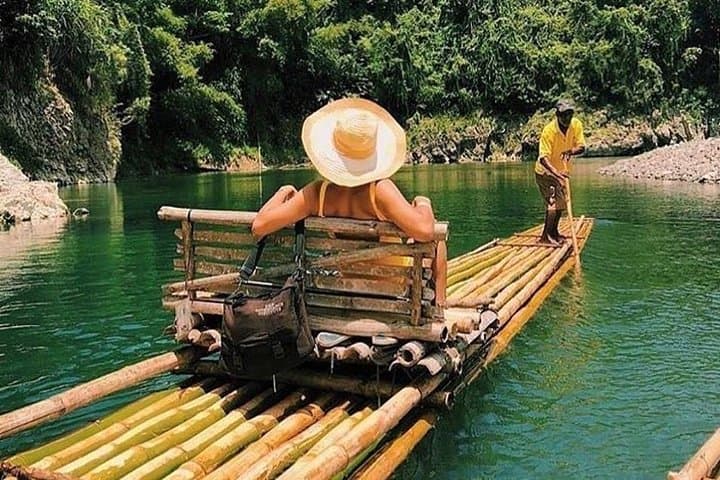
You push off from a low wooden bank and the raft slides into a slow ribbon of green water; the captain stands at the stern, pole in hand, steering you past overhanging fig and bamboo while the current teases and guides.
You push off from a low wooden bank and the raft slides into a slow ribbon of green water; the captain stands at the stern, pole in hand, steering you past overhanging fig and bamboo while the current teases and guides.
The Martha Brae River is a lowland limestone river that has carved gentle bends through Trelawny’s coastal plain. Locals tell stories of a runaway Taino woman, Martha, whose name became attached to the river; later the valley supported sugar estates, and the raft tradition grew as a relaxed means of moving people and goods. Expect shaded tunnels of vegetation, limestone banks pocked with small caves, and warm pools where the raft pauses and swimmers drop in.
Culturally the experience leans social — captains often share folklore and song while you float. Geologically the river’s mild riffles and shallow rapids reflect Jamaica’s karst landscape; nothing technical, but the water can feel lively after rain.
Practical guidance: the trip is a 3–4 hour round-trip tour (about 3 miles/4.8 km on the raft). Wear swimwear under clothes, bring a towel, reef-safe sunscreen and water shoes with good soles. If you’re prone to sunburn or prone to cold after a swim, bring a light layer for the return vehicle. Cameras are fine but keep them dry; many captains will pose for photos from the raft.
This tour is family-friendly and low-impact if you follow your guide’s instructions — keep to designated swimming spots, don’t feed wildlife, and take trash back to shore. Peak comfort comes early morning or late afternoon when the light softens and the river runs coolest.