THE ADVENTURE COLLECTIVE® · Independent discovery and booking for outdoor travel

Move through Marseille’s oldest quarters on a curated two-hour walk from the Vieux-Port to Mucem. This private tour combines coastal history, local flavors and hands-on neighborhood insights—ideal for first-time visitors who want a concise, authentic orientation.
Move through Marseille’s oldest quarters on a curated two-hour walk from the Vieux-Port to Mucem. This private tour combines coastal history, local flavors and hands-on neighborhood insights—ideal for first-time visitors who want a concise, authentic orientation.
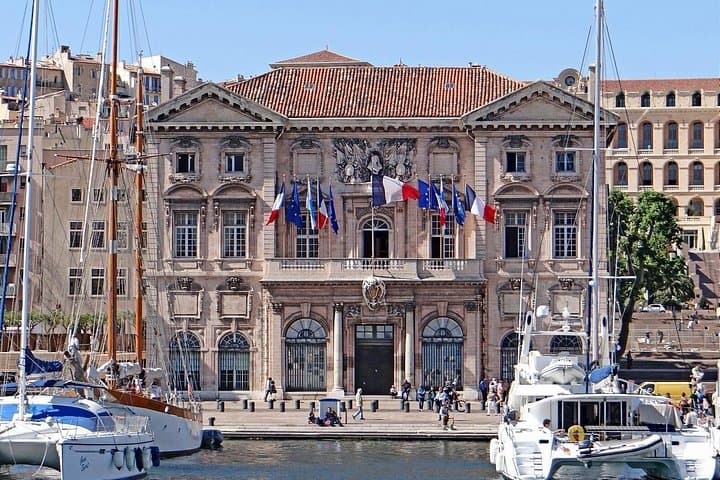
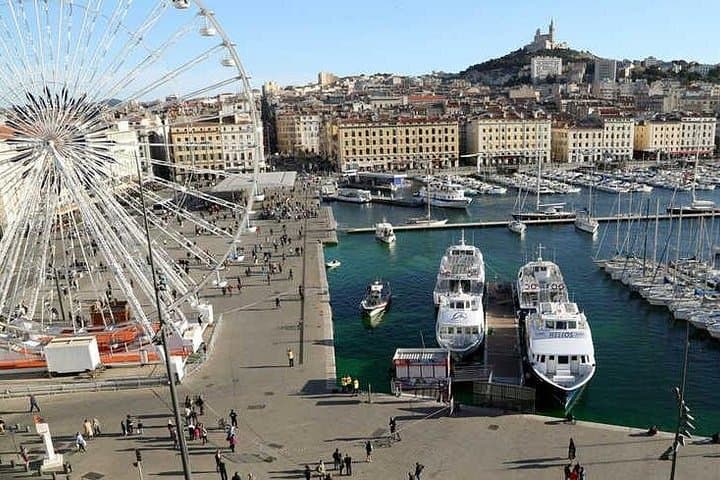
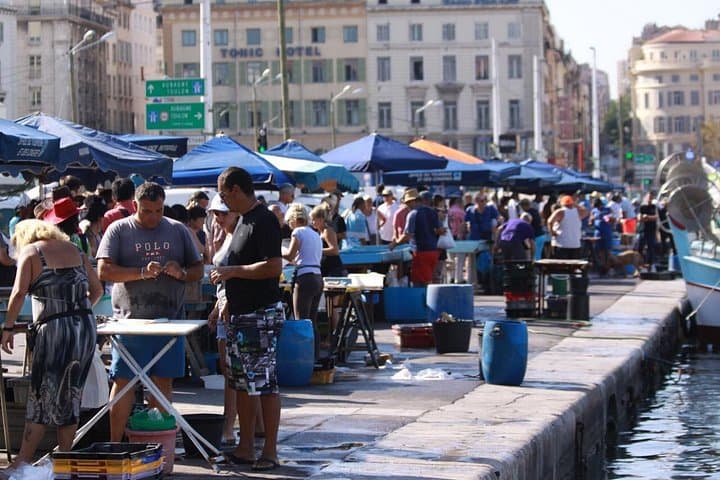
A morning at the Vieux-Port begins with gulls punctuating the salt air and the harbor wobbling with fishing boats; the guide threads you from quay to quay, voice steady against the city’s accents.
Verified experiences and guided adventures in the surrounding area.
Operated by Tour France Experience · Marseille, Bouches-du-Rhône
A morning at the Vieux-Port begins with gulls punctuating the salt air and the harbor wobbling with fishing boats; the guide threads you from quay to quay, voice steady against the city’s accents.
This two-hour private walk follows the spine of Marseille: the bustling Old Port, the grand sweep of La Canebière, the layered alleys of Le Panier and the contemporary facades around Mucem. Founded as the Greek colony Massalia around 600 BCE, Marseille’s streets are living strata—Phocean piers, medieval lanes and 17th-century merchant façades that show a city shaped by trade, migration and the sea.
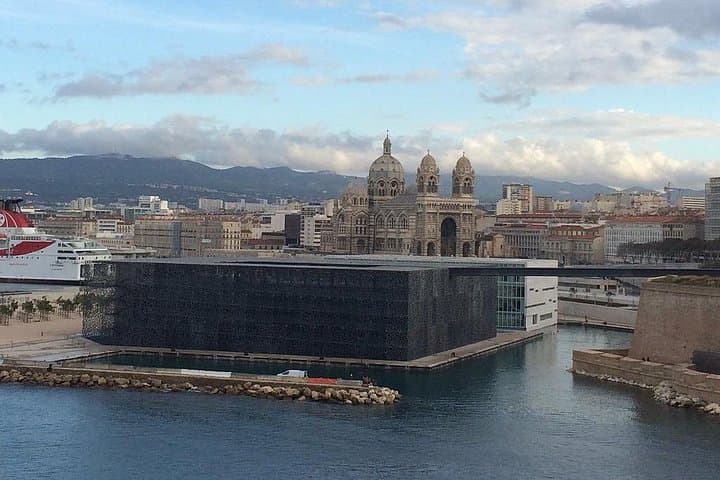
Geology peeks through in limestone outcrops and coastal benches; culturally, expect bouillabaisse aromas, pastis-sipping locals and casual pétanque courts where social life happens outdoors. The Panier’s narrow streets are lined with small ateliers and murals that reflect recent waves of artists and social change, while Fort Saint-Jean and Mucem frame Marseille’s modern relationship to the Mediterranean.
Practically: wear supportive shoes for cobblestones, bring a refillable bottle and plan for 90–120 minutes depending on stops. The route is largely flat but includes tight alleys and occasional stairs—ask for adjustments for mobility needs. Best hours are early morning for cooler light and late afternoon for golden tones on stone. Expect some walking on exposed promenades; pack sun protection in summer and a compact rain layer for spring or fall showers.
This private format lets you tailor focus—architecture, food, or local lore—so mention interests when booking and arrive ready to walk and listen.
easy.
2 hours.
Suitable for most fitness levels; requires standing and walking up to 2 hours on mixed surfaces.
The tour meets at the Vieux-Port (Old Port) and finishes nearby—exact meeting details are provided at booking confirmation.
Yes—guides can adapt the route for mobility needs if you notify them after booking; some historic alleys may remain challenging.
Yes—this private tour can emphasize food, architecture or local history if you state preferences when booking.
Children are welcome; the tour is free for children 0–6 years old per the listing—confirm age policy at booking for any updates.
Marseille began as the Greek settlement Massalia around 600 BCE and grew as a maritime trading hub; the Panier is the city’s oldest neighborhood with layered architectural periods.
Local efforts focus on preserving historical façades and reducing marine litter—respect signage, avoid feeding wildlife and support small local businesses.
Tour France Experience operates guided outdoor trips and adventures with an emphasis on safety, stewardship, and memorable experiences.
A morning at the Vieux-Port begins with gulls punctuating the salt air and the harbor wobbling with fishing boats; the guide threads you from quay to quay, voice steady against the city’s accents.
A morning at the Vieux-Port begins with gulls punctuating the salt air and the harbor wobbling with fishing boats; the guide threads you from quay to quay, voice steady against the city’s accents.
This two-hour private walk follows the spine of Marseille: the bustling Old Port, the grand sweep of La Canebière, the layered alleys of Le Panier and the contemporary facades around Mucem. Founded as the Greek colony Massalia around 600 BCE, Marseille’s streets are living strata—Phocean piers, medieval lanes and 17th-century merchant façades that show a city shaped by trade, migration and the sea.
Geology peeks through in limestone outcrops and coastal benches; culturally, expect bouillabaisse aromas, pastis-sipping locals and casual pétanque courts where social life happens outdoors. The Panier’s narrow streets are lined with small ateliers and murals that reflect recent waves of artists and social change, while Fort Saint-Jean and Mucem frame Marseille’s modern relationship to the Mediterranean.
Practically: wear supportive shoes for cobblestones, bring a refillable bottle and plan for 90–120 minutes depending on stops. The route is largely flat but includes tight alleys and occasional stairs—ask for adjustments for mobility needs. Best hours are early morning for cooler light and late afternoon for golden tones on stone. Expect some walking on exposed promenades; pack sun protection in summer and a compact rain layer for spring or fall showers.
This private format lets you tailor focus—architecture, food, or local lore—so mention interests when booking and arrive ready to walk and listen.