THE ADVENTURE COLLECTIVE® · Independent discovery and booking for outdoor travel

Ride 4x4s and quads over golden dunes, share tea in a Bedouin tent, watch the sunset from a camel’s back, then stargaze through telescopes far from coastal lights. This five-hour Marsa Alam desert safari blends adrenaline with cultural hospitality.
Ride 4x4s and quads over golden dunes, share tea in a Bedouin tent, watch the sunset from a camel’s back, then stargaze through telescopes far from coastal lights. This five-hour Marsa Alam desert safari blends adrenaline with cultural hospitality.
The sun lowers as dunes roll away like slow waves; a 4x4 kicks up a spray of gold and the desert dares you to keep pace. In Marsa Alam’s Eastern Desert the evening comes quick and clear, the sand cooling beneath the tires. You arrive to a low Bedouin tent where sweet tea and warm bread reset pace — the city’s hum is hours behind.
Verified experiences and guided adventures in the surrounding area.
Operated by Egypt Stargazing · Marsa Alam, Red Sea Governorate
The sun lowers as dunes roll away like slow waves; a 4x4 kicks up a spray of gold and the desert dares you to keep pace. In Marsa Alam’s Eastern Desert the evening comes quick and clear, the sand cooling beneath the tires. You arrive to a low Bedouin tent where sweet tea and warm bread reset pace — the city’s hum is hours behind.
This landscape is desert plain and ancient corridor: rock-strewn ridges of the Red Sea Hills, wind-sculpted dunes, and trails once crossed by Bedouin tribes such as the Ababda who guided trade between the coast and interior. Geology here is mostly sedimentary sandstone over older basement rocks; wind and occasional flash floods shape the dunes and wash channels that punctuate the flat.
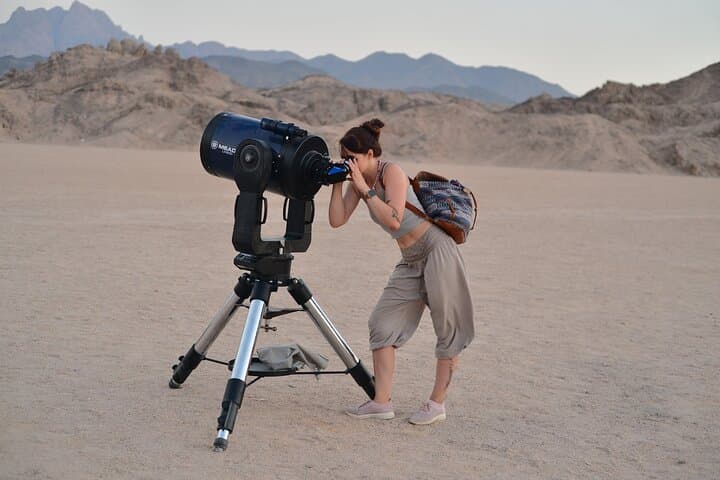
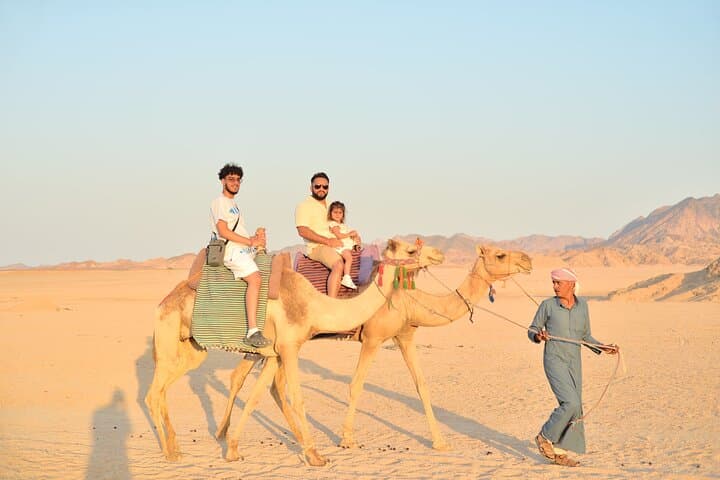
Expect a mixed itinerary: a spirited jeep transfer across several kilometers of shifting dunes, short quad-bike loops (roughly 5–10 km of soft sand), a bouncy buggy section and a gentle camel ride timed for sunset. Dinner follows — grilled meats and local sides served beneath stars — then an astronomy guide sets up telescopes away from light pollution for clear views of the Milky Way.
Practicalities: the activity lasts about five hours, runs year-round but is hottest in summer, and suits most fitness levels though it’s not recommended if pregnant or with serious back/heart issues. Bring sturdy closed-toe shoes, sun protection and a lightweight layer for desert nights. Hydrate before you go and leave no trace; the desert is fragile and the night sky rewards patience.
moderate.
5 hours.
Suitable for most travelers with average fitness; expect short walks, standing during shows and some jostling on vehicles.
Children can join but infants must sit on an adult’s lap; operators may set age limits for quads and buggies—check at booking.
Vehicles are maintained by local operators, helmets are provided where required, and guides give a safety briefing before rides.
Yes—on clear nights away from coastal lights the Milky Way is visible; bring a tripod and a camera with manual exposure for best results.
Most operators include air-conditioned transfers from hotels in the Marsa Alam area; confirm pickup details when booking.
The Eastern Desert has long been traversed by Bedouin tribes like the Ababda who traded salt and guided caravans between Red Sea ports and inland communities.
The desert’s plants and crusts are fragile—stay on established tracks, pack out waste, and minimize light and noise during stargazing to protect habitat.
Egypt Stargazing operates guided outdoor trips and adventures with an emphasis on safety, stewardship, and memorable experiences.
The sun lowers as dunes roll away like slow waves; a 4x4 kicks up a spray of gold and the desert dares you to keep pace. In Marsa Alam’s Eastern Desert the evening comes quick and clear, the sand cooling beneath the tires. You arrive to a low Bedouin tent where sweet tea and warm bread reset pace — the city’s hum is hours behind.
The sun lowers as dunes roll away like slow waves; a 4x4 kicks up a spray of gold and the desert dares you to keep pace. In Marsa Alam’s Eastern Desert the evening comes quick and clear, the sand cooling beneath the tires. You arrive to a low Bedouin tent where sweet tea and warm bread reset pace — the city’s hum is hours behind.
This landscape is desert plain and ancient corridor: rock-strewn ridges of the Red Sea Hills, wind-sculpted dunes, and trails once crossed by Bedouin tribes such as the Ababda who guided trade between the coast and interior. Geology here is mostly sedimentary sandstone over older basement rocks; wind and occasional flash floods shape the dunes and wash channels that punctuate the flat.
Expect a mixed itinerary: a spirited jeep transfer across several kilometers of shifting dunes, short quad-bike loops (roughly 5–10 km of soft sand), a bouncy buggy section and a gentle camel ride timed for sunset. Dinner follows — grilled meats and local sides served beneath stars — then an astronomy guide sets up telescopes away from light pollution for clear views of the Milky Way.
Practicalities: the activity lasts about five hours, runs year-round but is hottest in summer, and suits most fitness levels though it’s not recommended if pregnant or with serious back/heart issues. Bring sturdy closed-toe shoes, sun protection and a lightweight layer for desert nights. Hydrate before you go and leave no trace; the desert is fragile and the night sky rewards patience.