THE ADVENTURE COLLECTIVE® · Independent discovery and booking for outdoor travel

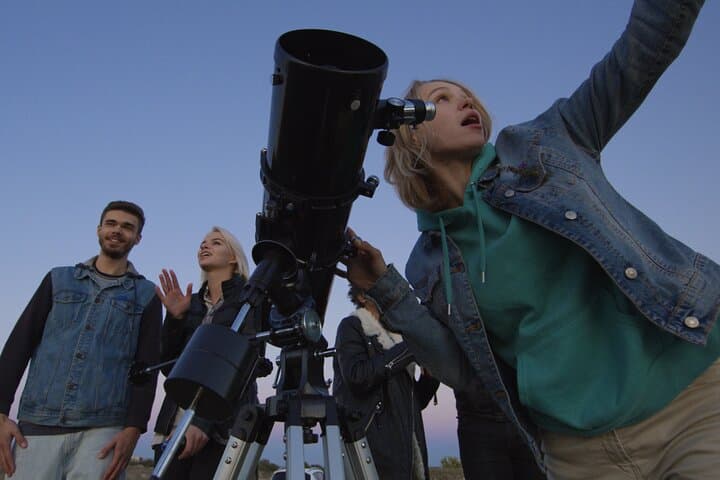
Watch the sun slide off a desert ridge, ride a camel, learn Bedouin bread-making, then peer through professional telescopes as a guide points out constellations. This five‑hour evening tour from Marsa Alam pairs cultural exchange with one of the clearest night skies on Egypt’s Red Sea coast.
Watch the sun slide off a desert ridge, ride a camel, learn Bedouin bread-making, then peer through professional telescopes as a guide points out constellations. This five‑hour evening tour from Marsa Alam pairs cultural exchange with one of the clearest night skies on Egypt’s Red Sea coast.
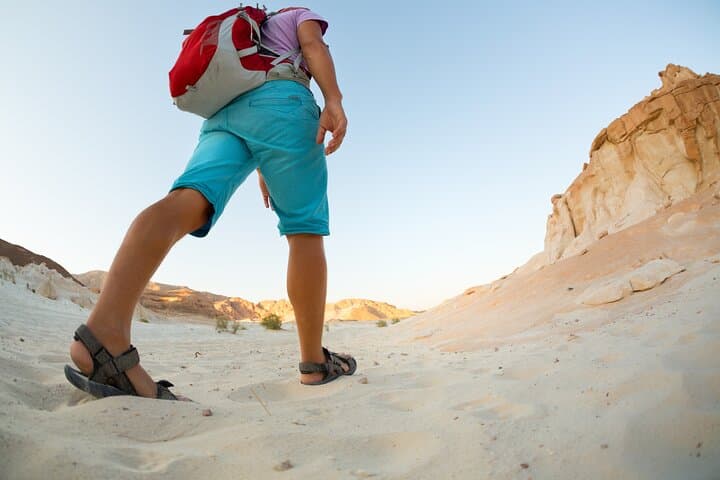
The jeep eases up a low desert ridge as the last sun stretches thin fingers across the Red Sea horizon. Sand cools underfoot, a small cliff offers a clean, wide view, and the Bedouin tent—Ababda camp—sits framed by low scrub and distant rock outcrops. A camel exhales, tea steams, and the first stars wink to life above a sky that feels closer here than in town.
Verified experiences and guided adventures in the surrounding area.
Operated by FTS Travels · Marsa Alam, Red Sea Governorate
The jeep eases up a low desert ridge as the last sun stretches thin fingers across the Red Sea horizon. Sand cools underfoot, a small cliff offers a clean, wide view, and the Bedouin tent—Ababda camp—sits framed by low scrub and distant rock outcrops. A camel exhales, tea steams, and the first stars wink to life above a sky that feels closer here than in town.
This strip of Egypt’s Eastern Desert has been traversed by Bedouin tribes for centuries; the Ababda people maintain practical skills—bread baking over coals, simple hospitality—that visitors see and try for themselves. Geologically, the valley alternates between gravel plains and resistant rock ridges carved by ancient runoff, producing the broad, unobstructed vistas that make sunset and sky-watching exceptional. Cultural moments—the making of flatbread, shared tea, and stories—anchor the evening before the astronomer sets up a professional telescope for constellation spotting.
Practical essentials: the tour runs about five hours, includes pickup and drop-off from Marsa Alam hotels, a 30-minute camel ride, a communal Bedouin barbecue dinner, and guided stargazing. Temperatures fall quickly after dusk, so bring a warm layer and closed-toe shoes for uneven ground. Cameras with a tripod and a long-exposure mode will capture the Milky Way; expect a short uphill walk to the sunset vantage. Note health advisories about spinal or heart conditions and pregnancy; the tour is otherwise rated easy and family-friendly. The experience pairs straightforward logistics with a tactile slice of desert life and a sky that dares you to look up.
easy.
5 hours.
Suitable for most fitness levels; participants should be able to walk short uneven slopes and mount a camel with assistance.
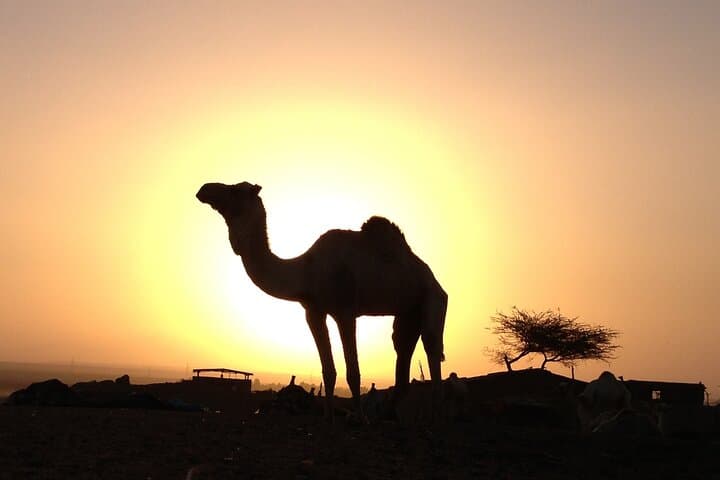
The camel ride is approximately 30 minutes and typically takes place near the camp on flat desert terrain.
Yes—professional telescopes and an experienced astronomy guide are included to point out constellations and celestial features.
Pickup and drop-off from Marsa Alam hotels are included; confirm your pickup point when booking.
The tour is family-friendly but organizers advise against participation for pregnant travelers and those with serious spinal or cardiovascular issues.
The Ababda Bedouin have inhabited Egypt’s Eastern Desert for generations; their camps and hospitality reflect a nomadic heritage of trade and survival in arid landscapes.
Low light pollution makes this an excellent site for stargazing—visitors should minimize flashlight use and pack out all waste to protect desert flora and nocturnal wildlife.
FTS Travels operates guided outdoor trips and adventures with an emphasis on safety, stewardship, and memorable experiences.
The jeep eases up a low desert ridge as the last sun stretches thin fingers across the Red Sea horizon. Sand cools underfoot, a small cliff offers a clean, wide view, and the Bedouin tent—Ababda camp—sits framed by low scrub and distant rock outcrops. A camel exhales, tea steams, and the first stars wink to life above a sky that feels closer here than in town.
The jeep eases up a low desert ridge as the last sun stretches thin fingers across the Red Sea horizon. Sand cools underfoot, a small cliff offers a clean, wide view, and the Bedouin tent—Ababda camp—sits framed by low scrub and distant rock outcrops. A camel exhales, tea steams, and the first stars wink to life above a sky that feels closer here than in town.
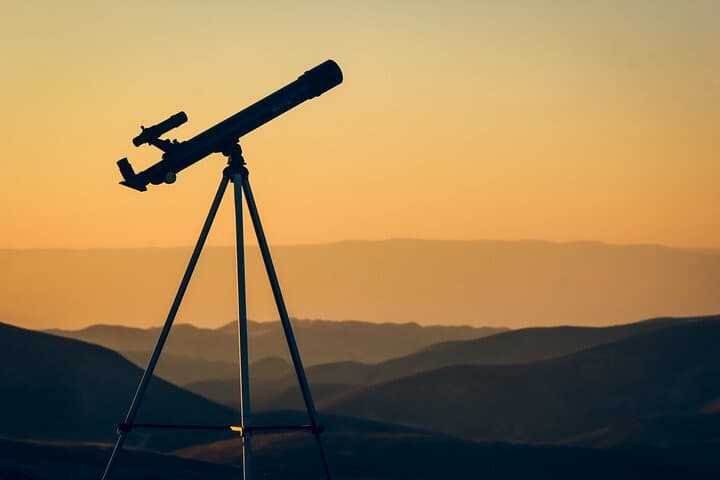
This strip of Egypt’s Eastern Desert has been traversed by Bedouin tribes for centuries; the Ababda people maintain practical skills—bread baking over coals, simple hospitality—that visitors see and try for themselves. Geologically, the valley alternates between gravel plains and resistant rock ridges carved by ancient runoff, producing the broad, unobstructed vistas that make sunset and sky-watching exceptional. Cultural moments—the making of flatbread, shared tea, and stories—anchor the evening before the astronomer sets up a professional telescope for constellation spotting.
Practical essentials: the tour runs about five hours, includes pickup and drop-off from Marsa Alam hotels, a 30-minute camel ride, a communal Bedouin barbecue dinner, and guided stargazing. Temperatures fall quickly after dusk, so bring a warm layer and closed-toe shoes for uneven ground. Cameras with a tripod and a long-exposure mode will capture the Milky Way; expect a short uphill walk to the sunset vantage. Note health advisories about spinal or heart conditions and pregnancy; the tour is otherwise rated easy and family-friendly. The experience pairs straightforward logistics with a tactile slice of desert life and a sky that dares you to look up.