THE ADVENTURE COLLECTIVE® · Independent discovery and booking for outdoor travel

Drive past Marrakesh’s ochre walls into the High Atlas for a day of rushing streams, stone villages and a guided hike to Armoud. Expect cultural encounters, mint tea, and mountain views on a moderate full-day excursion.
Drive past Marrakesh’s ochre walls into the High Atlas for a day of rushing streams, stone villages and a guided hike to Armoud. Expect cultural encounters, mint tea, and mountain views on a moderate full-day excursion.
Early light lifts the red city behind you and the road climbs into limestone ridges streaked with ochre and olive.
Verified experiences and guided adventures in the surrounding area.
Operated by Amazouz Morocco Tours · Imlil, Marrakesh-Safi
Early light lifts the red city behind you and the road climbs into limestone ridges streaked with ochre and olive.
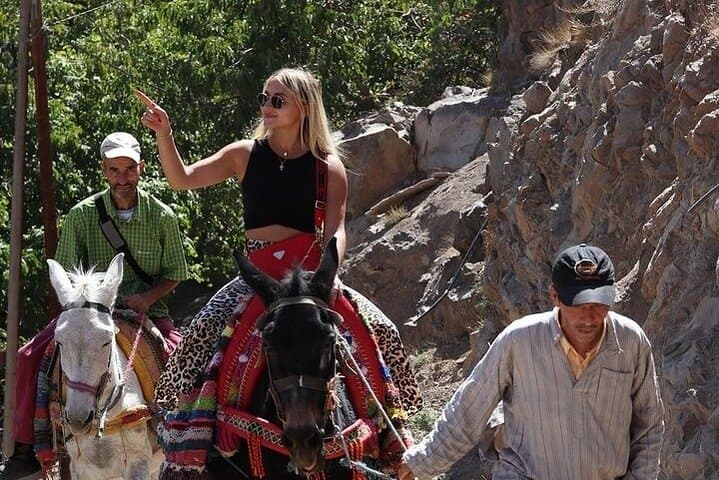
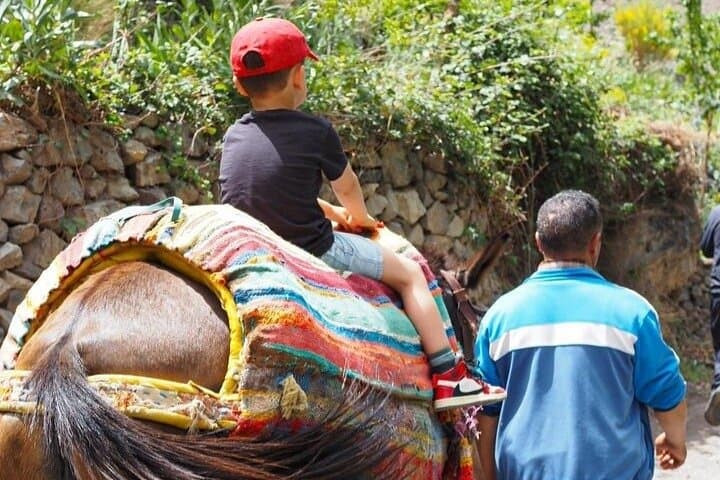
By midmorning you step out in Imlil Valley where the air is cooler and the river dares you forward. Your guide, a local Berber, threads stories of mountain life between terraces and stone houses as the path narrows toward Armoud — a high village that looks out over a fold of the High Atlas.
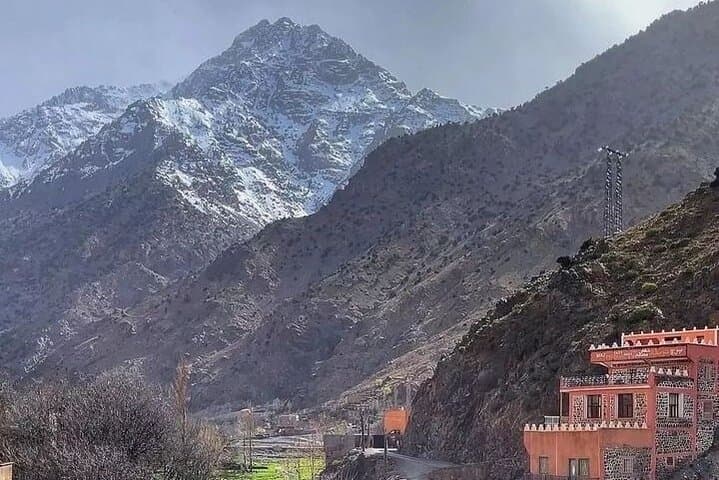
Geology here is sharp: folded sedimentary rock carved into steep gullies and broad plateaus where snowmelt feeds tight, lively streams. Historically the Atlas has been a corridor for Amazigh (Berber) communities and a launching point for climbers headed to Jebel Toubkal; villages like Armoud still practice seasonal shepherding and small-scale farming.
Culture arrives in the little things — mint tea poured with a practiced wrist, loaves pulled from wood-fired ovens, and cooperative-run kitchens where women trade recipes and work.
Practically, expect a moderate day: 1.5–2 hours up to Armoud, lunch, and a descent back to Imlil before a relaxed drive to Marrakesh. Trails alternate packed earth, rocky sections, and occasional stream crossings; views open on the southern flank of the High Atlas.
Bring layered clothing, sturdy footwear, and water; sun and wind can both show up in a single afternoon. If you want photos, time your climbs for softer morning light. Respect private homes and ask before photographing people.
This is a walk that balances culture and mountains — straightforward on the map but rich in landscape and local encounters.
moderate.
6–7 hours.
Good for walkers who can handle sustained uphill sections and several hours on uneven terrain.
Pickup from hotels or a meeting point in Marrakesh is included; you’ll be given a time when you confirm booking.
Yes—terrain is moderate and the guide maintains a steady pace; however, basic mobility and comfortable footwear are required.
Lunch in Armoud is a traditional Berber meal—often tagine, couscous, fresh bread and mint tea, with vegetarian options available on request.
Basic facilities exist at a women’s cooperative stop and in villages; bring hand sanitizer and toilet paper for trail sections.
The High Atlas has long been home to Amazigh (Berber) communities; Imlil grew as a waystation for shepherds and, later, mountaineers heading to Jebel Toubkal.
Tourism supports local economies but also strains water and waste systems—pack out trash, use local guides, and favor community-run services.
Amazouz Morocco Tours operates guided outdoor trips and adventures with an emphasis on safety, stewardship, and memorable experiences.
Early light lifts the red city behind you and the road climbs into limestone ridges streaked with ochre and olive.
Early light lifts the red city behind you and the road climbs into limestone ridges streaked with ochre and olive.
By midmorning you step out in Imlil Valley where the air is cooler and the river dares you forward. Your guide, a local Berber, threads stories of mountain life between terraces and stone houses as the path narrows toward Armoud — a high village that looks out over a fold of the High Atlas.
Geology here is sharp: folded sedimentary rock carved into steep gullies and broad plateaus where snowmelt feeds tight, lively streams. Historically the Atlas has been a corridor for Amazigh (Berber) communities and a launching point for climbers headed to Jebel Toubkal; villages like Armoud still practice seasonal shepherding and small-scale farming.
Culture arrives in the little things — mint tea poured with a practiced wrist, loaves pulled from wood-fired ovens, and cooperative-run kitchens where women trade recipes and work.
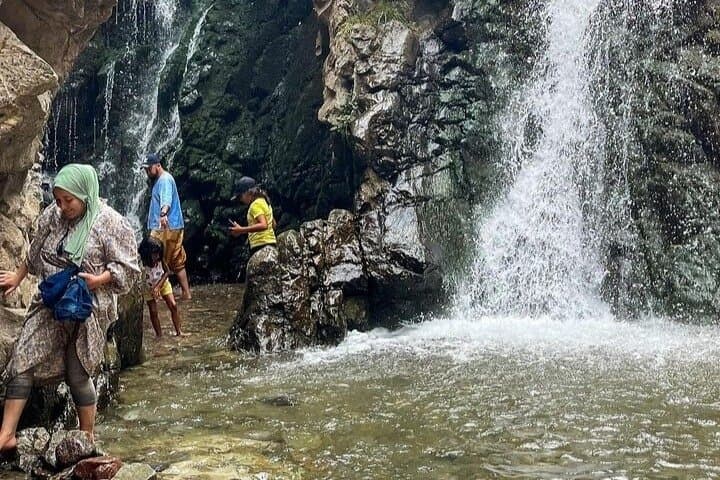
Practically, expect a moderate day: 1.5–2 hours up to Armoud, lunch, and a descent back to Imlil before a relaxed drive to Marrakesh. Trails alternate packed earth, rocky sections, and occasional stream crossings; views open on the southern flank of the High Atlas.
Bring layered clothing, sturdy footwear, and water; sun and wind can both show up in a single afternoon. If you want photos, time your climbs for softer morning light. Respect private homes and ask before photographing people.
This is a walk that balances culture and mountains — straightforward on the map but rich in landscape and local encounters.