THE ADVENTURE COLLECTIVE® · Independent discovery and booking for outdoor travel

Leave Marrakech’s bustle behind for a day in the High Atlas: a guided, moderate walk from Imlil past waterfalls, Berber villages and riverside viewpoints with a family-cooked lunch. Learn local customs and terrain essentials before you go.
Leave Marrakech’s bustle behind for a day in the High Atlas: a guided, moderate walk from Imlil past waterfalls, Berber villages and riverside viewpoints with a family-cooked lunch. Learn local customs and terrain essentials before you go.
You step out of the cool shadow of Marrakech’s medina into a sunlit road that climbs toward the High Atlas; the city’s clamor thins and the air sharpens as the van threads olive terraces and roadside argan trees.
Verified experiences and guided adventures in the surrounding area.
Operated by Imlil Trips · Imlil, Marrakesh-Safi
You step out of the cool shadow of Marrakech’s medina into a sunlit road that climbs toward the High Atlas; the city’s clamor thins and the air sharpens as the van threads olive terraces and roadside argan trees.
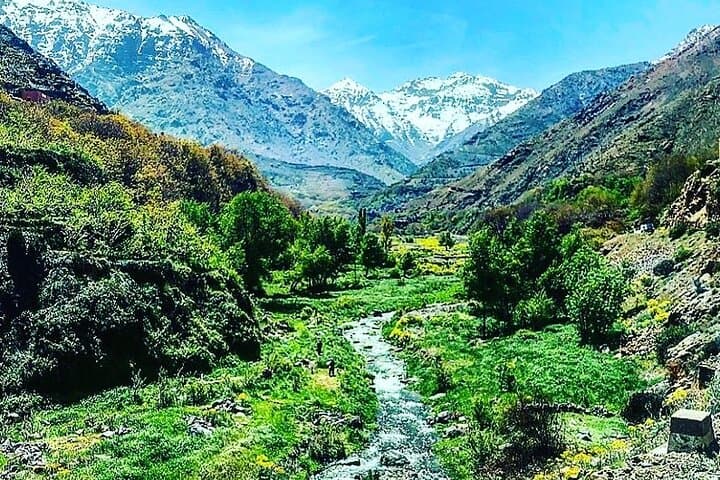
The route follows the Toubkal National Park foothills to Imlil, a small network of stone hamlets where mule tracks carve the slopes and a mountain river dares you to follow it uphill. Geological folds of folded schist and volcanic intrusions create short, steep gullies; seasonal streams turn modest ravines into a series of waterfalls and pools.
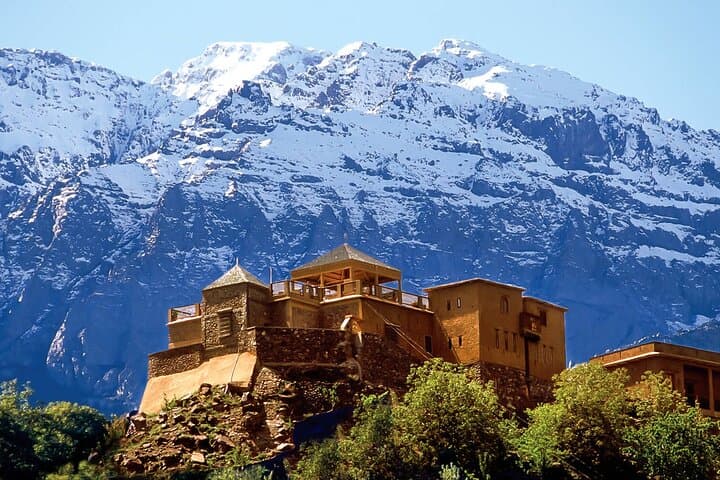
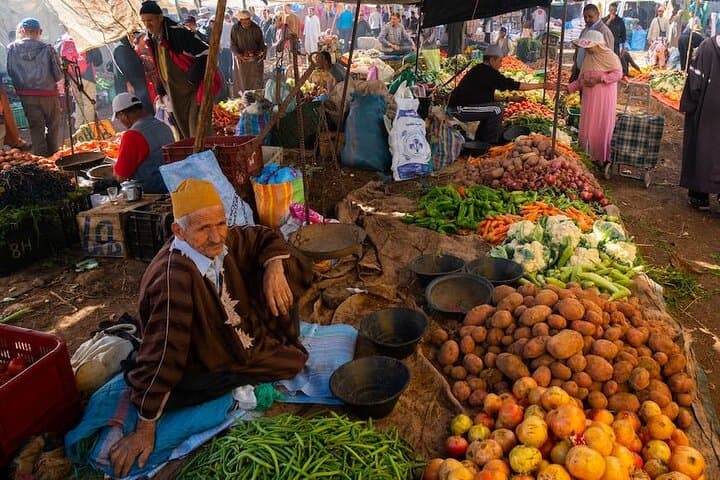
The area has been home to Berber communities for centuries. Villages here are practical and communal: terraced fields, dry-stone walls and cooperative kitchens where mint tea and shared lunches are part of daily life. The guide’s route threads these hamlets, offering glimpses of traditional craft and family-run cooperatives.
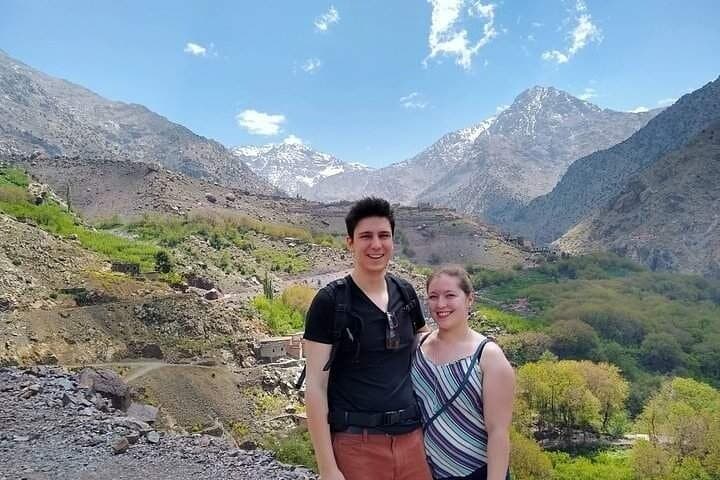
Expect a gentle, well-marked walk of mostly dirt tracks and compacted village lanes with short, steeper pitches beside the river. Highlights are riverside waterfalls, viewpoints of Jebel Toubkal’s snow-capped silhouette (in season) and a home-cooked Berber lunch served in a family house.
Practical guidance: wear sturdy hiking shoes with modest ankle support, bring 2–3 L of water, sun protection and a light insulating layer for higher elevation. Morning pickups from Marrakech mean an early start and cooler mountain mornings; aim for the hike before mid-afternoon to avoid the hottest, dustiest stretch on return. Respect private property, ask before photographing people and pack out any waste—this landscape and its communities reward considerate visitors.
moderate.
6–7 hours.
Moderate—comfortable walking fitness with ability to handle short uphill sections and uneven terrain.
The transfer to Imlil is about 1–1.5 hours each way depending on traffic and stops en route.
Yes—the walk is described as gentle, but participants should be steady on uneven ground; inform the operator of any mobility concerns.
A traditional Berber lunch, mint tea and bottled water are included in the tour price.
Comfortable, breathable layers and sturdy shoes; bring sun protection and a light jacket for higher elevations.
The High Atlas has long been inhabited by Amazigh (Berber) communities whose agricultural terraces and transhumance routes date back centuries, with Imlil historically a gateway for Toubkal ascents.
Toubkal National Park aims to balance tourism with local livelihoods; stick to paths and avoid littering to reduce erosion and protect water sources.
Imlil Trips operates guided outdoor trips and adventures with an emphasis on safety, stewardship, and memorable experiences.
You step out of the cool shadow of Marrakech’s medina into a sunlit road that climbs toward the High Atlas; the city’s clamor thins and the air sharpens as the van threads olive terraces and roadside argan trees.
You step out of the cool shadow of Marrakech’s medina into a sunlit road that climbs toward the High Atlas; the city’s clamor thins and the air sharpens as the van threads olive terraces and roadside argan trees.
The route follows the Toubkal National Park foothills to Imlil, a small network of stone hamlets where mule tracks carve the slopes and a mountain river dares you to follow it uphill. Geological folds of folded schist and volcanic intrusions create short, steep gullies; seasonal streams turn modest ravines into a series of waterfalls and pools.
The area has been home to Berber communities for centuries. Villages here are practical and communal: terraced fields, dry-stone walls and cooperative kitchens where mint tea and shared lunches are part of daily life. The guide’s route threads these hamlets, offering glimpses of traditional craft and family-run cooperatives.
Expect a gentle, well-marked walk of mostly dirt tracks and compacted village lanes with short, steeper pitches beside the river. Highlights are riverside waterfalls, viewpoints of Jebel Toubkal’s snow-capped silhouette (in season) and a home-cooked Berber lunch served in a family house.
Practical guidance: wear sturdy hiking shoes with modest ankle support, bring 2–3 L of water, sun protection and a light insulating layer for higher elevation. Morning pickups from Marrakech mean an early start and cooler mountain mornings; aim for the hike before mid-afternoon to avoid the hottest, dustiest stretch on return. Respect private property, ask before photographing people and pack out any waste—this landscape and its communities reward considerate visitors.