THE ADVENTURE COLLECTIVE® · Independent discovery and booking for outdoor travel

Wander Jemaa el‑Fnaa with a guide and sample Morocco’s iconic street foods—from Harira and msemen to tajine and tanjia. This 3‑hour evening tour pairs tastings with a short lecture on spices and culinary history.
Wander Jemaa el‑Fnaa with a guide and sample Morocco’s iconic street foods—from Harira and msemen to tajine and tanjia. This 3‑hour evening tour pairs tastings with a short lecture on spices and culinary history.
You step out of a narrow souk passage and the square opens like a living market: smoke curls from tagine stalls, the clink of cups from mint-tea vendors rises, and the scent of cumin and orange blossom pulls you toward the next bite. This three-hour walking tour moves through the heart of Marrakesh—starting at Café de France on Jemaa el-Fnaa—where each stop is a compact lesson in local flavor and technique.
Verified experiences and guided adventures in the surrounding area.
Operated by guide tour marrakesh · Marrakesh, Marrakech-Safi
You step out of a narrow souk passage and the square opens like a living market: smoke curls from tagine stalls, the clink of cups from mint-tea vendors rises, and the scent of cumin and orange blossom pulls you toward the next bite. This three-hour walking tour moves through the heart of Marrakesh—starting at Café de France on Jemaa el-Fnaa—where each stop is a compact lesson in local flavor and technique.
Marrakesh sits on a centuries-old trade route that blended Berber, Arab and Andalusian cooking traditions; the foods you sample—Harira, msemen, preserved lemons and slow-cooked tanjia—reflect that layered history. The city’s red ochre walls and surrounding plain of the High Atlas shaped food preservation and spice use that still define street tastes today.
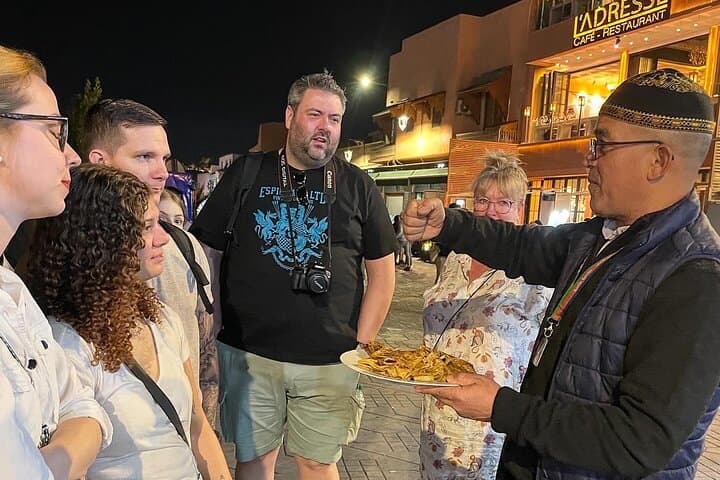
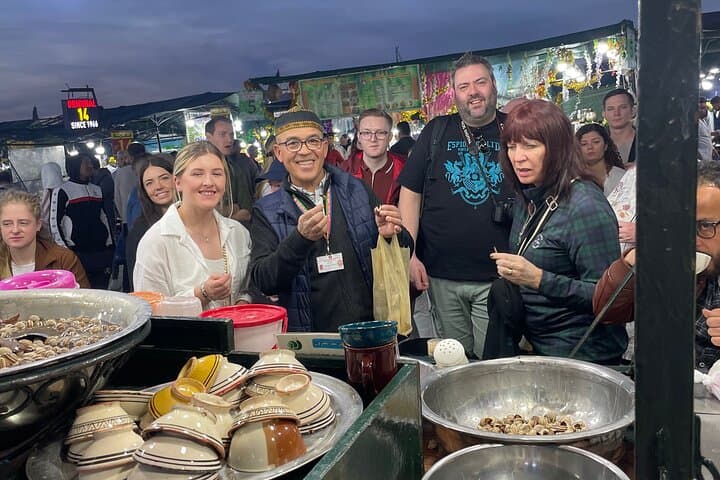
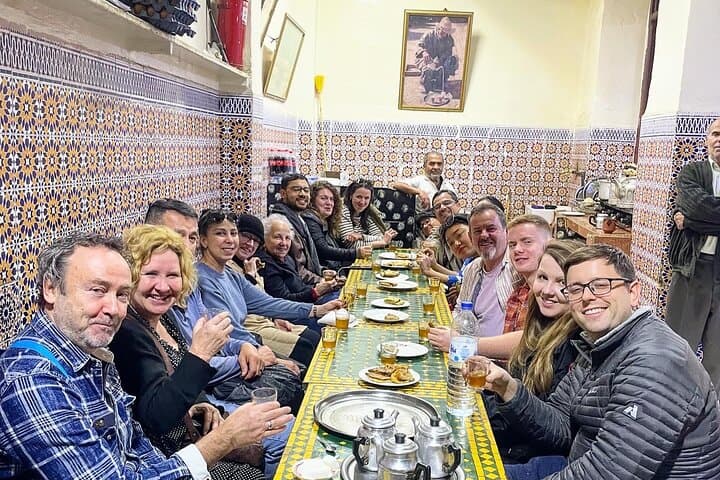
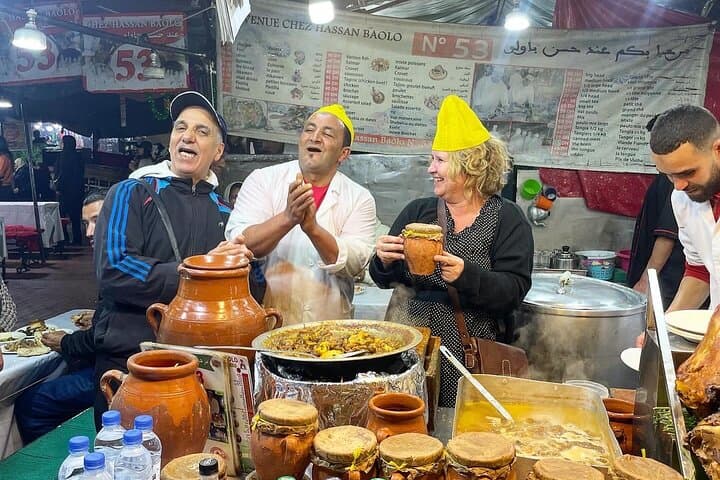
Expect hands-on tasting: briny olives, dried fruits, an herbal snail soup, and a final sit-down dinner that includes tajine and tanjia marrakechia. A brief visit to a traditional herbalist explains the medicinal role of local spices. The route is mostly flat, on packed stone and pedestrian alleys, with frequent stops and seated breaks.
Practical notes: bring small bills for purchases and tips, dress modestly for the medina, and keep water handy—summer heat can be intense. The tour accommodates vegetarians by advance request and is stroller-accessible. Go in the late afternoon to catch the square transition from day traders to night food stalls; that timing also offers cooler temperatures and livelier atmosphere.
This is a sensory, urban food walk—short on distance but rich in context—ideal for curious eaters who want culture with every mouthful.
easy.
2–3 hours.
Light walking on mostly flat, cobbled streets; suitable for most fitness levels
Yes—vegetarian alternatives are offered if you note dietary requirements when booking; the guide can point out plant-based street options during the tour.
The tour meets at Café de France on Jemaa el‑Fnaa; the guide will identify themselves and provide a quick orientation before departure.
Yes—the tour is listed as stroller accessible and suitable for all physical fitness levels, though the medina can be crowded during peak times.
Notify the operator during booking and repeat to your guide on arrival; while vendors cook fresh, cross-contact is possible in busy street stalls.
Jemaa el‑Fnaa has been Marrakech’s social and commercial heart since the city’s founding in the 11th century; many street foods evolved from caravan-trade ingredients and local preservation methods.
Support small vendors and minimize single-use plastics; declining water supplies around Marrakech encourage vendors and visitors to use water sparingly and reduce waste.
guide tour marrakesh operates guided outdoor trips and adventures with an emphasis on safety, stewardship, and memorable experiences.
You step out of a narrow souk passage and the square opens like a living market: smoke curls from tagine stalls, the clink of cups from mint-tea vendors rises, and the scent of cumin and orange blossom pulls you toward the next bite. This three-hour walking tour moves through the heart of Marrakesh—starting at Café de France on Jemaa el-Fnaa—where each stop is a compact lesson in local flavor and technique.
You step out of a narrow souk passage and the square opens like a living market: smoke curls from tagine stalls, the clink of cups from mint-tea vendors rises, and the scent of cumin and orange blossom pulls you toward the next bite. This three-hour walking tour moves through the heart of Marrakesh—starting at Café de France on Jemaa el-Fnaa—where each stop is a compact lesson in local flavor and technique.
Marrakesh sits on a centuries-old trade route that blended Berber, Arab and Andalusian cooking traditions; the foods you sample—Harira, msemen, preserved lemons and slow-cooked tanjia—reflect that layered history. The city’s red ochre walls and surrounding plain of the High Atlas shaped food preservation and spice use that still define street tastes today.
Expect hands-on tasting: briny olives, dried fruits, an herbal snail soup, and a final sit-down dinner that includes tajine and tanjia marrakechia. A brief visit to a traditional herbalist explains the medicinal role of local spices. The route is mostly flat, on packed stone and pedestrian alleys, with frequent stops and seated breaks.
Practical notes: bring small bills for purchases and tips, dress modestly for the medina, and keep water handy—summer heat can be intense. The tour accommodates vegetarians by advance request and is stroller-accessible. Go in the late afternoon to catch the square transition from day traders to night food stalls; that timing also offers cooler temperatures and livelier atmosphere.
This is a sensory, urban food walk—short on distance but rich in context—ideal for curious eaters who want culture with every mouthful.