THE ADVENTURE COLLECTIVE® · Independent discovery and booking for outdoor travel

A full-day guided loop from Casablanca to Marrakesh and the nearby Agafay stone desert, combining palace visits, a Moroccan lunch, and a short camel ride. Ideal for travelers wanting culture and a desert taste in a single long day.
A full-day guided loop from Casablanca to Marrakesh and the nearby Agafay stone desert, combining palace visits, a Moroccan lunch, and a short camel ride. Ideal for travelers wanting culture and a desert taste in a single long day.
You leave Casablanca at first light and the coast blurs into plains as the road pushes toward the ochre walls of Marrakesh. By mid-morning the city’s minarets slice the skyline; the Koutoubia’s minaret watches over gardens and the pulse of the medina while vendors shape spices and orange juice stalls steam in the square.
Verified experiences and guided adventures in the surrounding area.
Operated by Quartier Habous · Marrakech, Marrakech-Safi
You leave Casablanca at first light and the coast blurs into plains as the road pushes toward the ochre walls of Marrakesh. By mid-morning the city’s minarets slice the skyline; the Koutoubia’s minaret watches over gardens and the pulse of the medina while vendors shape spices and orange juice stalls steam in the square.
This one-day itinerary moves between history and desert geology: a guided walk through the Bahia Palace’s tilework and hand-carved cedar, a quiet stop at the Saadian Tombs, and a pass by the Koutoubia that recalls Almohad architecture from the 12th century. Then the landscape changes—thirty kilometers south, the Agafay “stone desert” opens: wind-sculpted stony plains, scattered wadis and a surprising pocket of seasonal life where frogs and small turtles find water between the rocks.
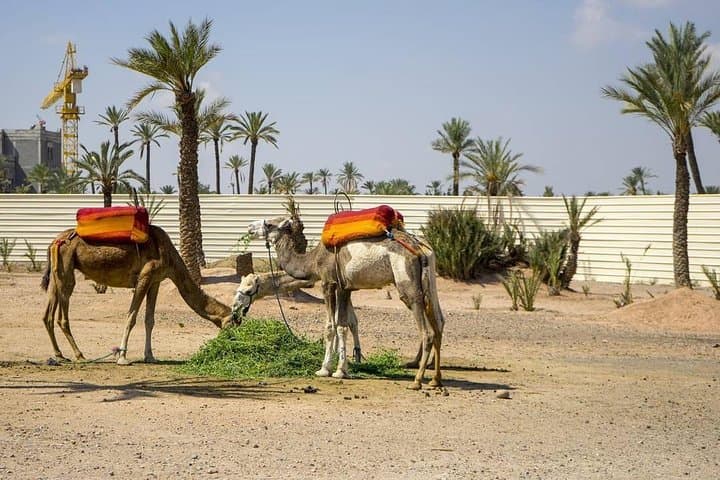
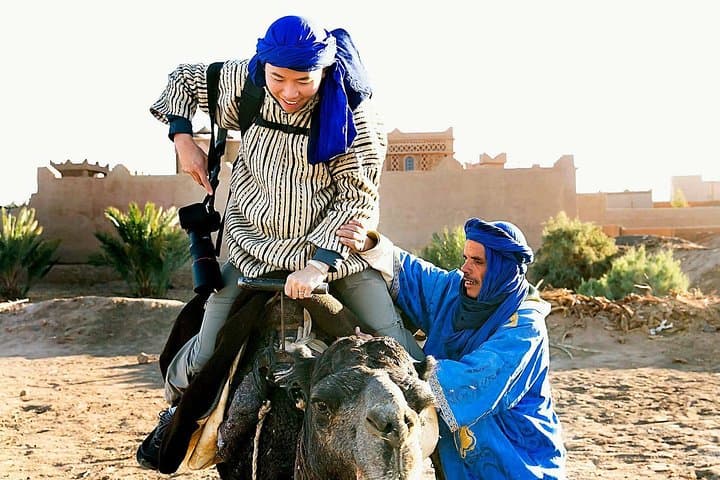
Culturally this is a layered day—Berber villages dot the approach to Agafay, and Marrakech’s medina still follows routes set centuries ago. Expect guided interpretation, a set Moroccan lunch, and a short camel ride across the stony dunes: the animals are steady but the surface is uneven.
Practical guidance: it’s a long day—plan for 12 hours including round-trip driving from Casablanca (about 2.5–3 hours each way). Wear closed, grippy shoes for cobbled lanes and desert stones, carry 2+ liters of water, sun protection, and small cash for market purchases. Respect mosque viewing rules (non-Muslims cannot enter active prayer halls) and allow extra time for traffic during peak seasons.
easy.
12 hours.
Suitable for average fitness—mostly seated transfer time with short walks on uneven surfaces and a brief camel ride.
Expect roughly 2.5–3 hours each way by private vehicle, depending on traffic and route.
Yes; camel rides are short and guided—animals used are accustomed to tourists, but the surface can be uneven so follow the handler’s instructions.
The tour description indicates guided visits; confirm at booking whether specific entrance fees are covered or paid on arrival.
Infants can join but must sit on an adult’s lap for transport; the day is long and involves uneven walking, so consider your child’s tolerance for extended travel.
Marrakech was founded in 1071 by Youssef ben Tachfine and grew under successive Berber dynasties; the Koutoubia minaret dates to the Almohad period in the late 12th century.
Agafay’s fragile desert ecology responds poorly to litter and off-track vehicles—stick to established routes and avoid leaving waste; use local operators who follow low-impact practices.
Quartier Habous operates guided outdoor trips and adventures with an emphasis on safety, stewardship, and memorable experiences.
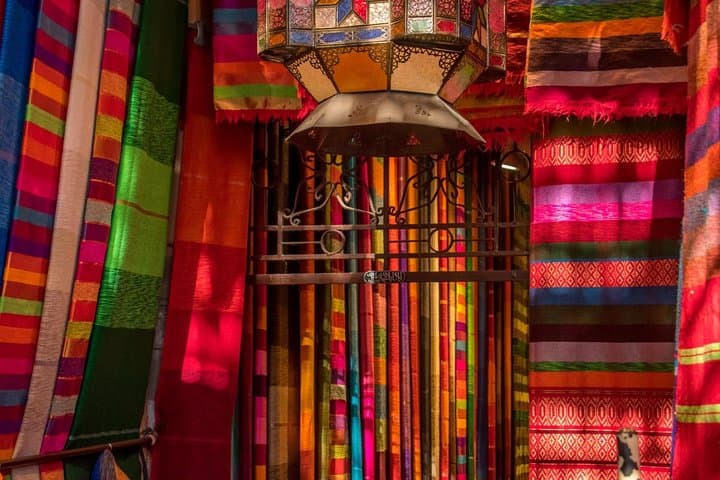
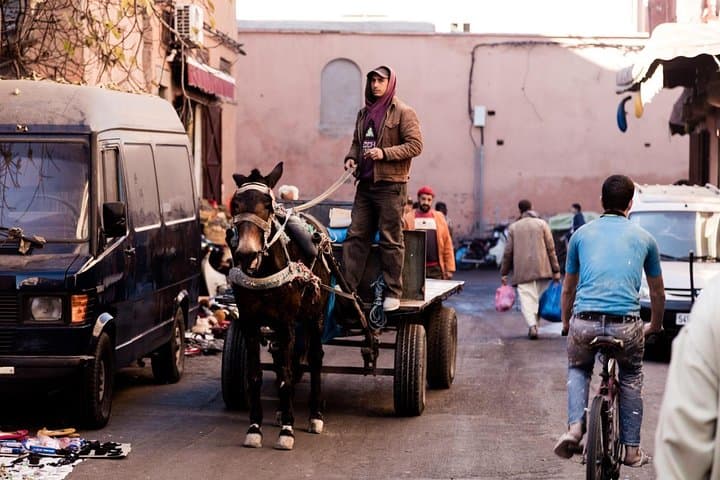
You leave Casablanca at first light and the coast blurs into plains as the road pushes toward the ochre walls of Marrakesh. By mid-morning the city’s minarets slice the skyline; the Koutoubia’s minaret watches over gardens and the pulse of the medina while vendors shape spices and orange juice stalls steam in the square.
You leave Casablanca at first light and the coast blurs into plains as the road pushes toward the ochre walls of Marrakesh. By mid-morning the city’s minarets slice the skyline; the Koutoubia’s minaret watches over gardens and the pulse of the medina while vendors shape spices and orange juice stalls steam in the square.
This one-day itinerary moves between history and desert geology: a guided walk through the Bahia Palace’s tilework and hand-carved cedar, a quiet stop at the Saadian Tombs, and a pass by the Koutoubia that recalls Almohad architecture from the 12th century. Then the landscape changes—thirty kilometers south, the Agafay “stone desert” opens: wind-sculpted stony plains, scattered wadis and a surprising pocket of seasonal life where frogs and small turtles find water between the rocks.
Culturally this is a layered day—Berber villages dot the approach to Agafay, and Marrakech’s medina still follows routes set centuries ago. Expect guided interpretation, a set Moroccan lunch, and a short camel ride across the stony dunes: the animals are steady but the surface is uneven.
Practical guidance: it’s a long day—plan for 12 hours including round-trip driving from Casablanca (about 2.5–3 hours each way). Wear closed, grippy shoes for cobbled lanes and desert stones, carry 2+ liters of water, sun protection, and small cash for market purchases. Respect mosque viewing rules (non-Muslims cannot enter active prayer halls) and allow extra time for traffic during peak seasons.