THE ADVENTURE COLLECTIVE® · Independent discovery and booking for outdoor travel

Walk the Medina with a local guide to unlock Marrakech’s history, food and hidden corners. Choose half-day walks, evening food tours or a two-day cultural immersion with private transport and hands-on experiences.
Walk the Medina with a local guide to unlock Marrakech’s history, food and hidden corners. Choose half-day walks, evening food tours or a two-day cultural immersion with private transport and hands-on experiences.
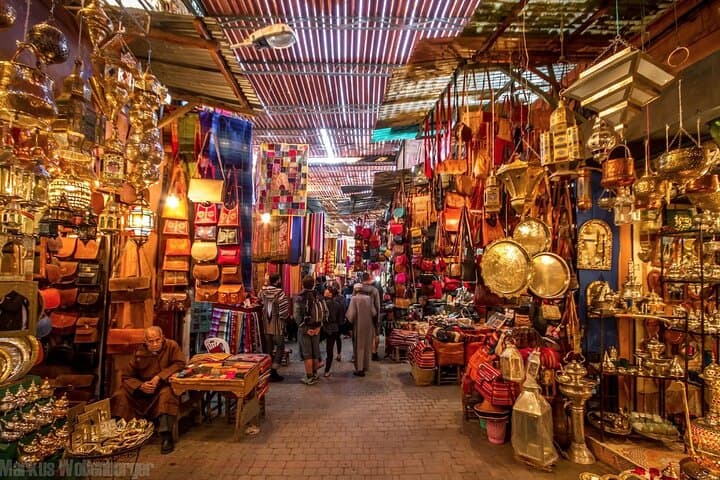
The morning light slants through the narrow alleys of the Medina, turning ochre walls into warm maps. You step onto flagstones worn smooth by centuries; the city exhales spice smoke and citrus, while street vendors arrange brass trays and woven baskets like chapters in an open book.
Verified experiences and guided adventures in the surrounding area.
Operated by Deep Morocco Tours · Marrakech, Marrakesh-Safi
The morning light slants through the narrow alleys of the Medina, turning ochre walls into warm maps. You step onto flagstones worn smooth by centuries; the city exhales spice smoke and citrus, while street vendors arrange brass trays and woven baskets like chapters in an open book.
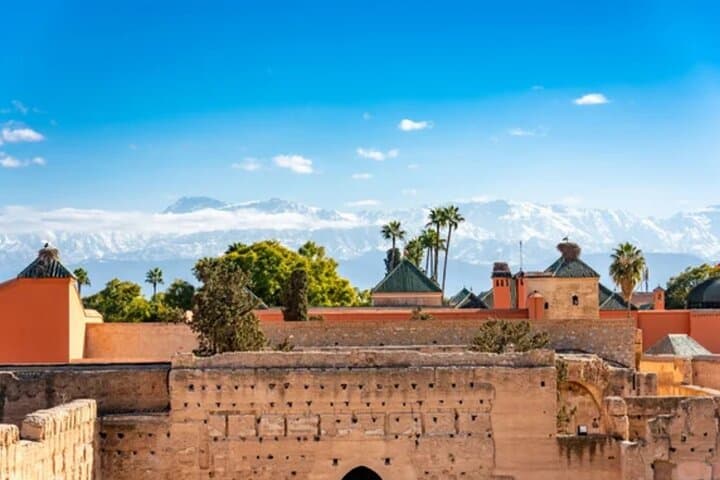
Marrakech was founded in 1062 by the Almoravids and grew into a crossroads of Berber, Arab and Andalusian traditions. Geology here is plain but purposeful—the city sits on an alluvial plain below the High Atlas, with earthen architecture that keeps interiors cool. Culture is public: Jemaa el-Fna pulses with performers by day and lantern-lit storytellers by night; the Ben Youssef Madrasa and Bahia Palace show carved cedar and zellij tilework that record centuries of craft.
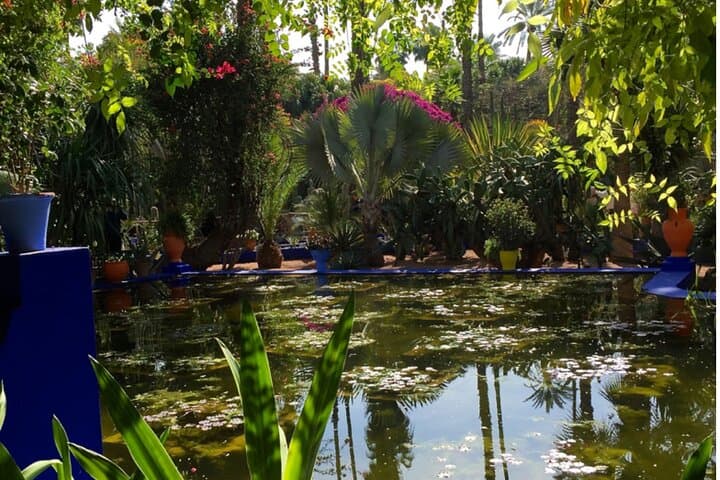
Expect compact, sensory-rich walking: crowded souks, rooftop viewpoints, tiled courtyards and curated gardens like Majorelle. Guides translate not just language but local rhythms—when to bargain, when to pause for mint tea, and where entrances require cash (many sites expect small on-site fees).
Practical edge: book morning or late-afternoon slots to avoid mid-day heat, carry small bills for entrances and tips, and wear closed shoes for uneven stone and occasional loose sand. If you choose a two-day immersion, plan a hammam recovery and a cooking class—both extend the city’s story beyond sightseeing. Respect local customs: dress modestly in residential areas and always ask before photographing people. With a good guide, Marrakech rewards close attention: its alleys push you forward, its squares invite you to linger.
moderate.
3–8 hours (options vary).
Good for travelers who can walk on uneven surfaces for several hours; full-day options require moderate stamina.
Yes—Majorelle has limited capacity and recommends pre-booking tickets at least 24 hours in advance; some tour options don’t include the ticket.
Street Food Tour options include food and drinks as specified, while half-day walks usually do not include meals unless stated.
Most tours are labeled physically easy and suitable for many ages, but uneven ground and long stretches may be tiring—choose half-day options for lower exertion.
VIP and multi-day itineraries include private transport where indicated; confirm pickup details and flight info when booking.
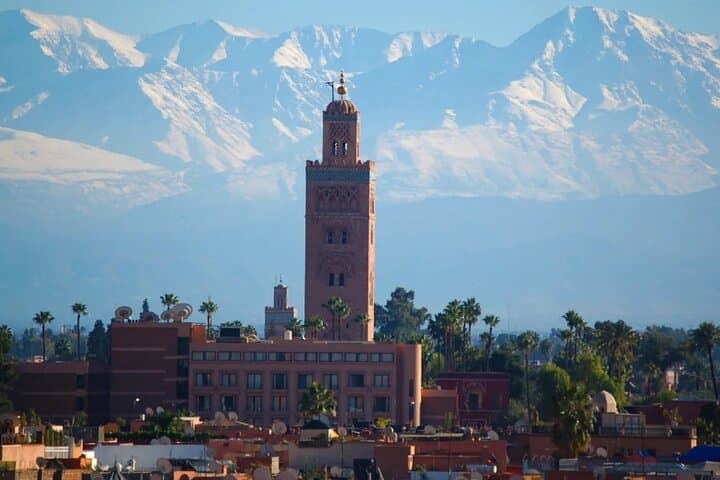
Marrakech grew from an 11th-century Almoravid settlement into a major cultural hub; sites like the Saadian Tombs and Koutoubia reflect dynastic shifts and Islamic architectural evolution.
Tourism pressures strain water resources and historic fabric—support licensed local guides, avoid single-use plastics, and follow site rules to reduce impact.
Deep Morocco Tours operates guided outdoor trips and adventures with an emphasis on safety, stewardship, and memorable experiences.
The morning light slants through the narrow alleys of the Medina, turning ochre walls into warm maps. You step onto flagstones worn smooth by centuries; the city exhales spice smoke and citrus, while street vendors arrange brass trays and woven baskets like chapters in an open book.
The morning light slants through the narrow alleys of the Medina, turning ochre walls into warm maps. You step onto flagstones worn smooth by centuries; the city exhales spice smoke and citrus, while street vendors arrange brass trays and woven baskets like chapters in an open book.
Marrakech was founded in 1062 by the Almoravids and grew into a crossroads of Berber, Arab and Andalusian traditions. Geology here is plain but purposeful—the city sits on an alluvial plain below the High Atlas, with earthen architecture that keeps interiors cool. Culture is public: Jemaa el-Fna pulses with performers by day and lantern-lit storytellers by night; the Ben Youssef Madrasa and Bahia Palace show carved cedar and zellij tilework that record centuries of craft.
Expect compact, sensory-rich walking: crowded souks, rooftop viewpoints, tiled courtyards and curated gardens like Majorelle. Guides translate not just language but local rhythms—when to bargain, when to pause for mint tea, and where entrances require cash (many sites expect small on-site fees).
Practical edge: book morning or late-afternoon slots to avoid mid-day heat, carry small bills for entrances and tips, and wear closed shoes for uneven stone and occasional loose sand. If you choose a two-day immersion, plan a hammam recovery and a cooking class—both extend the city’s story beyond sightseeing. Respect local customs: dress modestly in residential areas and always ask before photographing people. With a good guide, Marrakech rewards close attention: its alleys push you forward, its squares invite you to linger.