THE ADVENTURE COLLECTIVE® · Independent discovery and booking for outdoor travel

Walk the red city's winding alleys with an official local guide who connects the medina’s monuments, markets, and hidden corners in a focused 3–4 hour tour. Expect history, artisans, and an authentic tea stop as you move from Koutoubia to Jama el-Fna.
Walk the red city's winding alleys with an official local guide who connects the medina’s monuments, markets, and hidden corners in a focused 3–4 hour tour. Expect history, artisans, and an authentic tea stop as you move from Koutoubia to Jama el-Fna.
The city opens before you like a living map—stone alleys poured in ochre light, a minaret eyeing the square, and the scent of spice and mint tea threading through human traffic. Start near Koutoubia and you move inward: narrow lanes that demand attention, craftsmen at low tables, and the noise of markets folding into courtyard hushes.
Verified experiences and guided adventures in the surrounding area.
Operated by The Alternative Morocco · Marrakech, Marrakech-Safi
The city opens before you like a living map—stone alleys poured in ochre light, a minaret eyeing the square, and the scent of spice and mint tea threading through human traffic. Start near Koutoubia and you move inward: narrow lanes that demand attention, craftsmen at low tables, and the noise of markets folding into courtyard hushes.
Marrakech was founded in the 11th century by the Almoravids and grew as a crossroads between the Atlas and trans-Saharan trade routes. Geologically the city sits on a stony plain fed by the Atlas runoff; you’ll notice clay walls and lime plaster that respond to the dry heat. Culturally, the medina is an urban workshop—woodcarvers, dyers, and leatherworkers continue centuries-old techniques, and Jama el-Fna remains the theatrical heart where storytellers and food stalls hold court.
On this guided walk expect 3–4 hours of sustained walking on cobblestone, occasional stairs, and tight alleys. The official local guide explains history, points out architectural details—riads, madrasas, and ornate stucco—and leads you to a tea stop in a calm café or rooftop with a view over the square.
Practical guidance: wear sturdy shoes, carry water, and plan for shade in summer. Bring small notes for market purchases and follow your guide’s cues in religious sites—dress modestly and remove shoes where required. The tour is small-group (up to 12) with pickup from many central accommodations; it’s ideal for travelers who want context alongside exploration rather than free-form shopping.
easy.
3–4 hours.
Suitable for most travelers who can walk continuously for a few hours and handle uneven surfaces.
The guide typically picks you up from centrally located accommodations and the tour finishes back at Jama el-Fna main square.
This tour lists a certified guide as included; admission fees to specific monuments may not be included—confirm at booking.
The route involves narrow, uneven lanes and stairs; infants may sit on laps, but strollers are not practical through much of the medina.
Language options vary—confirm English or other language needs when booking to ensure an official guide who speaks your language.
Marrakech was founded in 1062 by the Almoravid dynasty and expanded as a key trade and political center; many riads and madrasas reflect centuries of Moroccan craftsmanship.
Support local artisans by buying fairly and avoid single-use plastics; stay on established paths to protect fragile courtyard gardens and historic plasterwork.
The Alternative Morocco operates guided outdoor trips and adventures with an emphasis on safety, stewardship, and memorable experiences.
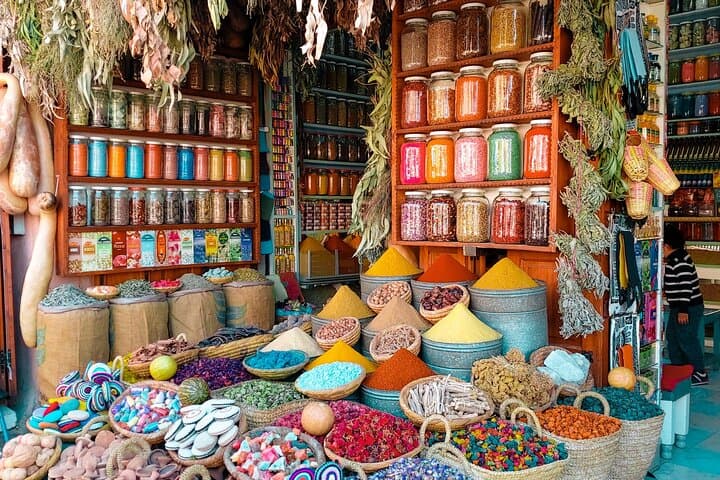
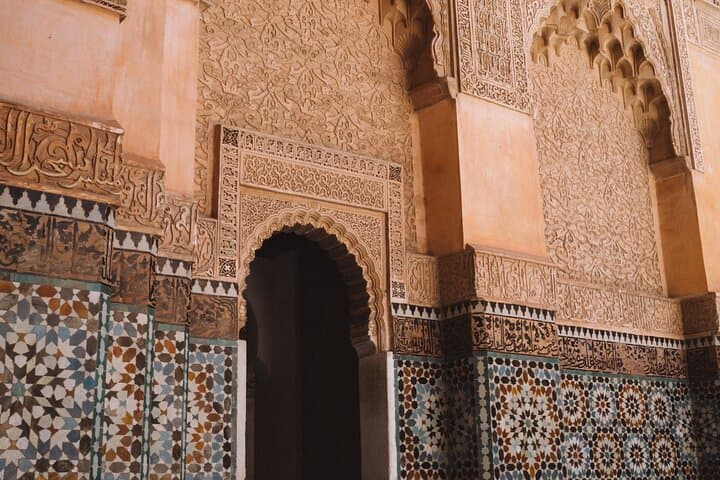
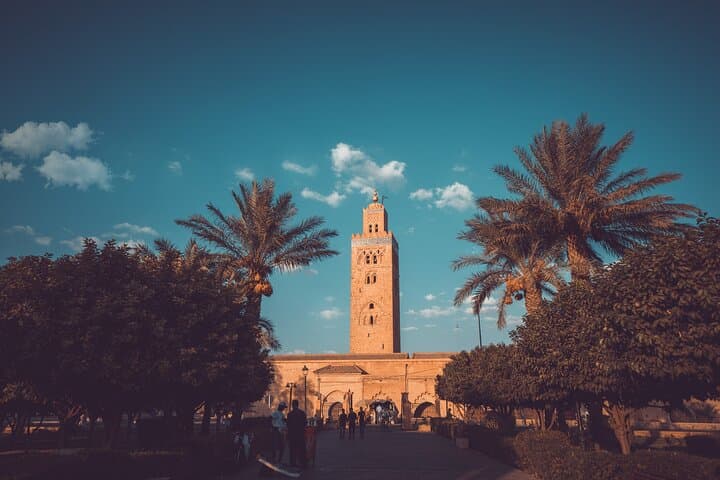
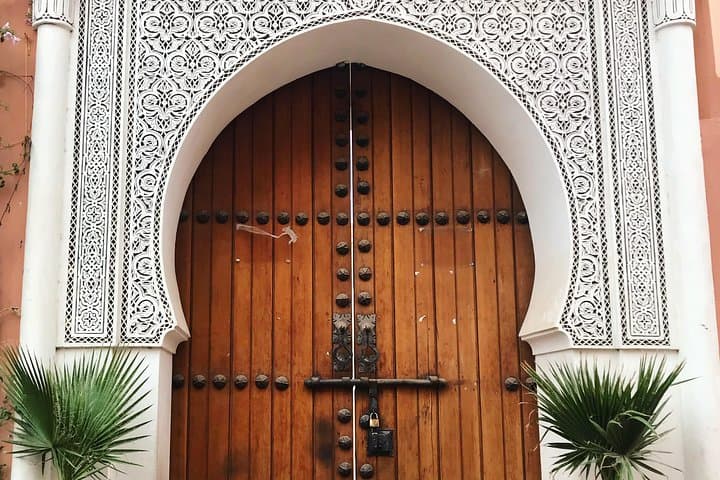
The city opens before you like a living map—stone alleys poured in ochre light, a minaret eyeing the square, and the scent of spice and mint tea threading through human traffic. Start near Koutoubia and you move inward: narrow lanes that demand attention, craftsmen at low tables, and the noise of markets folding into courtyard hushes.
The city opens before you like a living map—stone alleys poured in ochre light, a minaret eyeing the square, and the scent of spice and mint tea threading through human traffic. Start near Koutoubia and you move inward: narrow lanes that demand attention, craftsmen at low tables, and the noise of markets folding into courtyard hushes.
Marrakech was founded in the 11th century by the Almoravids and grew as a crossroads between the Atlas and trans-Saharan trade routes. Geologically the city sits on a stony plain fed by the Atlas runoff; you’ll notice clay walls and lime plaster that respond to the dry heat. Culturally, the medina is an urban workshop—woodcarvers, dyers, and leatherworkers continue centuries-old techniques, and Jama el-Fna remains the theatrical heart where storytellers and food stalls hold court.
On this guided walk expect 3–4 hours of sustained walking on cobblestone, occasional stairs, and tight alleys. The official local guide explains history, points out architectural details—riads, madrasas, and ornate stucco—and leads you to a tea stop in a calm café or rooftop with a view over the square.
Practical guidance: wear sturdy shoes, carry water, and plan for shade in summer. Bring small notes for market purchases and follow your guide’s cues in religious sites—dress modestly and remove shoes where required. The tour is small-group (up to 12) with pickup from many central accommodations; it’s ideal for travelers who want context alongside exploration rather than free-form shopping.