THE ADVENTURE COLLECTIVE® · Independent discovery and booking for outdoor travel

Climb Jebel Toubkal in two days from Marrakech: a steep but non-technical trek that finishes on North Africa’s highest summit. Expect berber refuge hospitality, rapid altitude gain, and sweeping Atlas views.
Climb Jebel Toubkal in two days from Marrakech: a steep but non-technical trek that finishes on North Africa’s highest summit. Expect berber refuge hospitality, rapid altitude gain, and sweeping Atlas views.
Dawn in the High Atlas feels immediate: chill air moves down stone terraces, and the village roofs of Imlil pick out like punctuation against the first light. You leave Marrakech’s heat behind on a winding drive, then move on foot through terraced fields and Berber hamlets, following a mule track that climbs into ever-sparser pines and scree.
Verified experiences and guided adventures in the surrounding area.
Operated by Atlas Mountains Day Trip · Imlil, Marrakech-Safi
Dawn in the High Atlas feels immediate: chill air moves down stone terraces, and the village roofs of Imlil pick out like punctuation against the first light. You leave Marrakech’s heat behind on a winding drive, then move on foot through terraced fields and Berber hamlets, following a mule track that climbs into ever-sparser pines and scree.
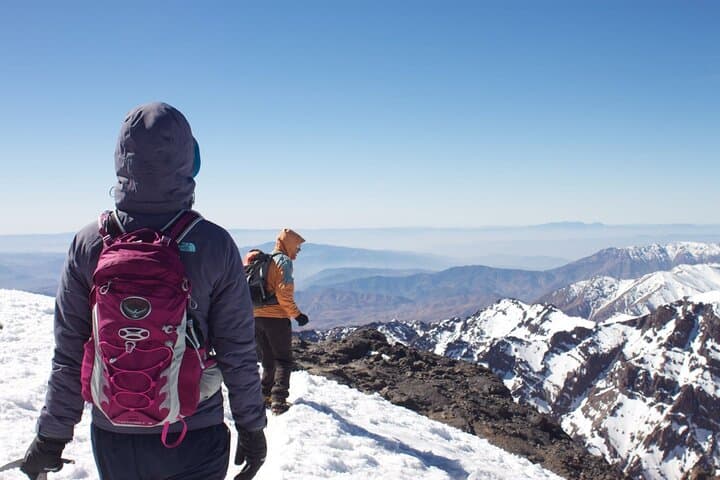
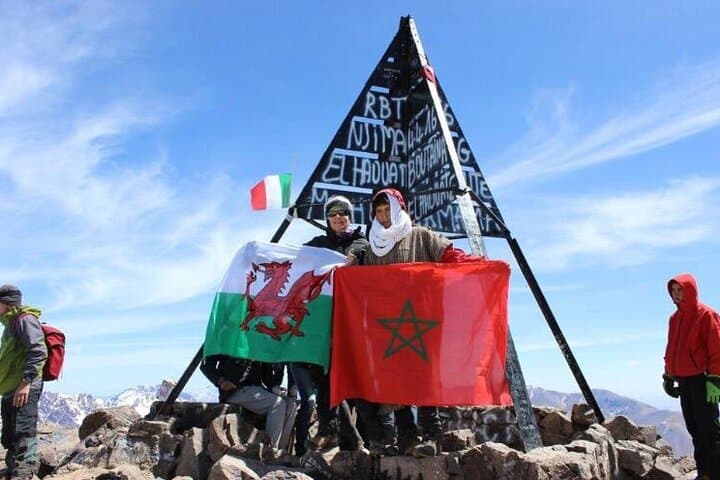
Geology here is raw: ancient folded schists and volcanic intrusions carved into jagged ridgelines. Jebel Toubkal (4,167 m) is the range’s high point; the route is non-technical but steep, switching from baked paths to loose rock and, in shoulder seasons, snowfields that demand attention. History and culture thread the trail—small stone villages, terraced agriculture, and the long tradition of muleteers and mountain refuges that support summit attempts.
You’ll spend a night at Refuge du Toubkal, run with Berber hospitality, soup, tajine and mattresses stacked in dorms, where guides and muleteers sort gear and stories. From the summit the view stretches to Marrakech’s plain and, on clear days, the first sands of the Sahara.
Practical guidance: pace conservatively, hydrate steadily, and layer for big temperature swings—the climb gains altitude quickly. If traveling November–April expect snow; basic crampon and ice-axe skills may be needed. Leave no trace, respect village rhythms, and allow a relaxed summit schedule: early starts reward you with calmer air and clearer vistas. With solid fitness and sensible gear, the two-day schedule is a compact, high-reward way to stand on North Africa’s roof.
challenging.
2 days (full days of trekking, 8–12 hours active on summit day).
Good cardiovascular fitness and experience with sustained uphill hiking; able to carry a daypack for long climbs.
The route is non-technical but steep; a novice in good fitness can complete it if prepared for long hours and altitude gain, especially with a guide.
Yes—Toubkal rises above 4,000 m; follow basic acclimatization, stay hydrated, and inform guides of symptoms like headache or nausea.
Winter conditions often require crampons and ice-axe skills; inexperienced parties should book guided trips with winter-savvy leaders.
Overnight is typically in the Refuge du Toubkal dorms with simple beds; camping is an option in summer months.
The High Atlas has long been inhabited by Amazigh (Berber) communities; muleteers and refuges evolved to support traditional transhumance and modern trekking alike.
Trail erosion and waste are local concerns—stay on marked paths, pack out trash, and use established refuges to limit impact.
Atlas Mountains Day Trip operates guided outdoor trips and adventures with an emphasis on safety, stewardship, and memorable experiences.
Dawn in the High Atlas feels immediate: chill air moves down stone terraces, and the village roofs of Imlil pick out like punctuation against the first light. You leave Marrakech’s heat behind on a winding drive, then move on foot through terraced fields and Berber hamlets, following a mule track that climbs into ever-sparser pines and scree.
Dawn in the High Atlas feels immediate: chill air moves down stone terraces, and the village roofs of Imlil pick out like punctuation against the first light. You leave Marrakech’s heat behind on a winding drive, then move on foot through terraced fields and Berber hamlets, following a mule track that climbs into ever-sparser pines and scree.
Geology here is raw: ancient folded schists and volcanic intrusions carved into jagged ridgelines. Jebel Toubkal (4,167 m) is the range’s high point; the route is non-technical but steep, switching from baked paths to loose rock and, in shoulder seasons, snowfields that demand attention. History and culture thread the trail—small stone villages, terraced agriculture, and the long tradition of muleteers and mountain refuges that support summit attempts.
You’ll spend a night at Refuge du Toubkal, run with Berber hospitality, soup, tajine and mattresses stacked in dorms, where guides and muleteers sort gear and stories. From the summit the view stretches to Marrakech’s plain and, on clear days, the first sands of the Sahara.
Practical guidance: pace conservatively, hydrate steadily, and layer for big temperature swings—the climb gains altitude quickly. If traveling November–April expect snow; basic crampon and ice-axe skills may be needed. Leave no trace, respect village rhythms, and allow a relaxed summit schedule: early starts reward you with calmer air and clearer vistas. With solid fitness and sensible gear, the two-day schedule is a compact, high-reward way to stand on North Africa’s roof.