THE ADVENTURE COLLECTIVE® · Independent discovery and booking for outdoor travel

A focused 2-day guided trek from Marrakech to Mount Toubkal that pairs a night at the mountain refuge with an early, steep summit push. Ideal for hikers with moderate fitness who want a high-altitude, culturally rich Atlas experience.
A focused 2-day guided trek from Marrakech to Mount Toubkal that pairs a night at the mountain refuge with an early, steep summit push. Ideal for hikers with moderate fitness who want a high-altitude, culturally rich Atlas experience.
Dawn finds the High Atlas rim lit in steel and ochre as you roll out of Marrakech toward Imlil, the trailhead village. Footsteps on gravel, the smell of mint tea and woodsmoke, and the quiet urgency of a guide setting a steady pace set the tone for this two-day push to Jbel Toubkal (4,167 m).
Verified experiences and guided adventures in the surrounding area.
Operated by Atlas Epic Trek · Imlil, Marrakesh-Safi
Dawn finds the High Atlas rim lit in steel and ochre as you roll out of Marrakech toward Imlil, the trailhead village. Footsteps on gravel, the smell of mint tea and woodsmoke, and the quiet urgency of a guide setting a steady pace set the tone for this two-day push to Jbel Toubkal (4,167 m).
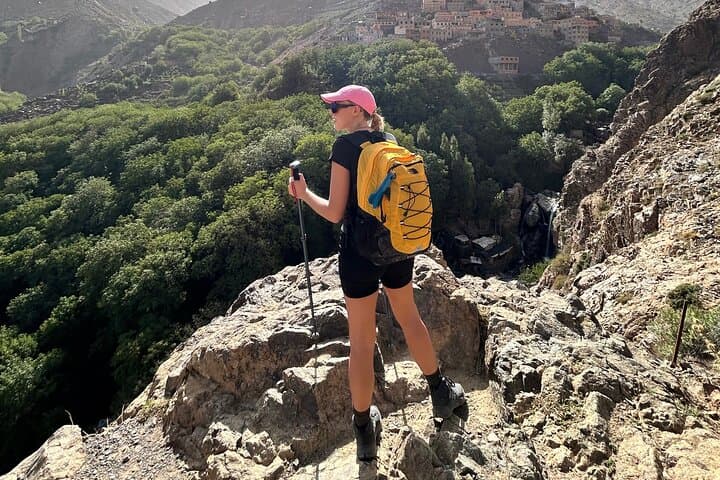
The route climbs through terraced Berber fields and stone hamlets carved into steep gullies, following tracks used for centuries by shepherds and traders. Geologically, the High Atlas is a compact range of folded sedimentary and volcanic rock — expect scree slopes, hard-packed mule trails and exposed ridgelines underfoot. Cultural touchpoints include the Sidi Chamharouch shrine and villages where Amazigh (Berber) hospitality shapes the rhythm of the trek: shared meals, simple dormitories at the Toubkal Refuge (3,207 m), and local guides who read weather and trail like maps.
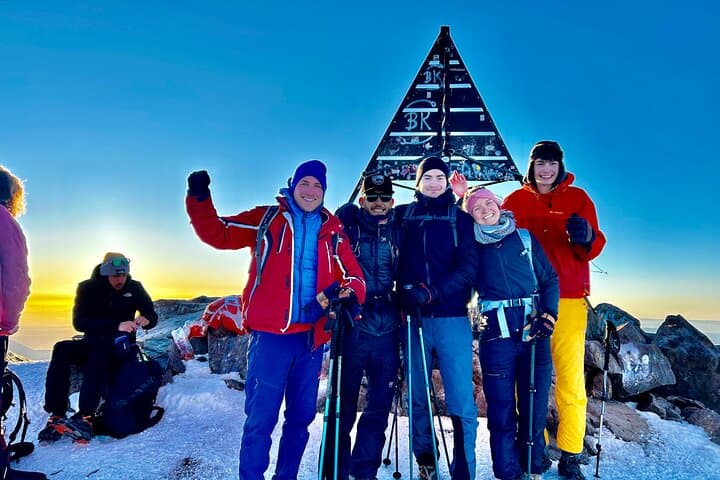
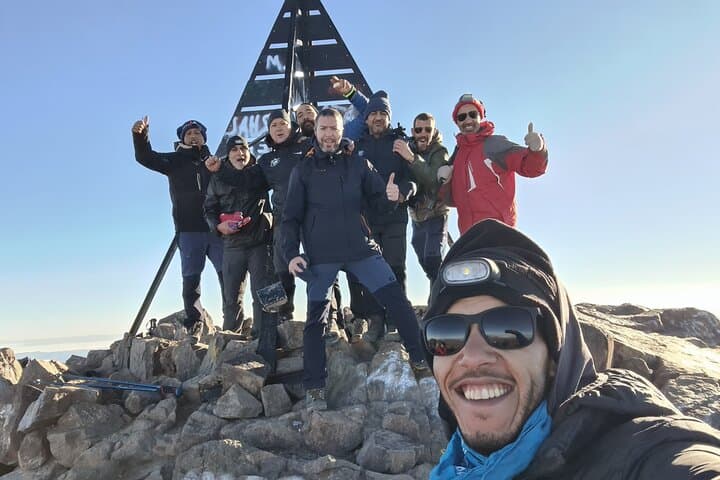
Day one is a gradual ascent to the refuge, allowing acclimatization; day two is an early, steep summit push with rocky, sometimes icy sections and significant elevation gain. Clear days reward you with panoramic views across the Atlas and toward the Sahara.
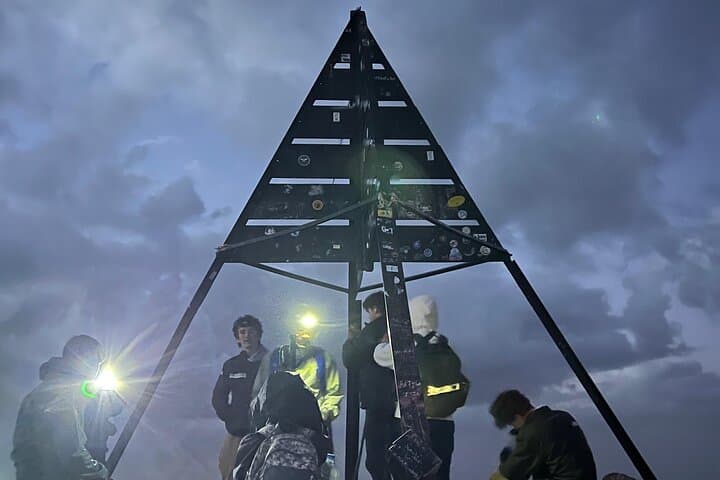
Practical guidance: train on sustained uphill hikes, bring layered insulation for alpine nights, use trekking poles to protect knees on the descent, and pack a headlamp for the 4:00 AM start. Water management and sun protection are critical; treat the refuge as rustic—hot meals and shared rooms, not luxury. With a knowledgeable local guide and the right gear, this compact, high-altitude excursion delivers a raw, accessible summit experience and a concentrated dose of Atlas mountain culture.
challenging.
2 days (approx. 48 hours).
Good aerobic fitness with experience on sustained uphill hikes; comfortable with long days and altitude.
You should have good aerobic fitness and experience on multi-hour uphill hikes; the trek is non-technical but involves significant elevation gain and long second-day hours.
The refuge is basic mountain lodging with shared dormitories, communal meals, and limited hot water — comfortable but rustic.
Yes; ascent to 4,167 m can produce symptoms for some. The itinerary includes an overnight at 3,207 m to help acclimatize, but monitor symptoms and follow your guide's advice.
Guides are standard for safety, navigation and local support; no special climbing permit is typically required for non-technical ascents, but local regulations and guide fees apply.
The High Atlas has long been inhabited by Amazigh (Berber) communities who shaped terraced agriculture and transhumance routes used by traders and shepherds for centuries.
Trails and alpine vegetation are fragile; practice leave-no-trace, avoid widening paths, and hire local guides to support community-based stewardship.
Atlas Epic Trek operates guided outdoor trips and adventures with an emphasis on safety, stewardship, and memorable experiences.
Dawn finds the High Atlas rim lit in steel and ochre as you roll out of Marrakech toward Imlil, the trailhead village. Footsteps on gravel, the smell of mint tea and woodsmoke, and the quiet urgency of a guide setting a steady pace set the tone for this two-day push to Jbel Toubkal (4,167 m).
Dawn finds the High Atlas rim lit in steel and ochre as you roll out of Marrakech toward Imlil, the trailhead village. Footsteps on gravel, the smell of mint tea and woodsmoke, and the quiet urgency of a guide setting a steady pace set the tone for this two-day push to Jbel Toubkal (4,167 m).
The route climbs through terraced Berber fields and stone hamlets carved into steep gullies, following tracks used for centuries by shepherds and traders. Geologically, the High Atlas is a compact range of folded sedimentary and volcanic rock — expect scree slopes, hard-packed mule trails and exposed ridgelines underfoot. Cultural touchpoints include the Sidi Chamharouch shrine and villages where Amazigh (Berber) hospitality shapes the rhythm of the trek: shared meals, simple dormitories at the Toubkal Refuge (3,207 m), and local guides who read weather and trail like maps.
Day one is a gradual ascent to the refuge, allowing acclimatization; day two is an early, steep summit push with rocky, sometimes icy sections and significant elevation gain. Clear days reward you with panoramic views across the Atlas and toward the Sahara.
Practical guidance: train on sustained uphill hikes, bring layered insulation for alpine nights, use trekking poles to protect knees on the descent, and pack a headlamp for the 4:00 AM start. Water management and sun protection are critical; treat the refuge as rustic—hot meals and shared rooms, not luxury. With a knowledgeable local guide and the right gear, this compact, high-altitude excursion delivers a raw, accessible summit experience and a concentrated dose of Atlas mountain culture.