THE ADVENTURE COLLECTIVE® · Independent discovery and booking for outdoor travel

Drive the Atlas, explore Ait Ben Haddou, cross the palm-scattered Draa Valley and sleep beneath desert stars in Zagora on this private 2‑day tour from Marrakech. Expect long drives, dramatic light, and cultural stops at kasbahs and oases.
Drive the Atlas, explore Ait Ben Haddou, cross the palm-scattered Draa Valley and sleep beneath desert stars in Zagora on this private 2‑day tour from Marrakech. Expect long drives, dramatic light, and cultural stops at kasbahs and oases.
You climb into the van before dawn and the High Atlas pulls you upward, the road carving through rock and wind. By mid-morning the ochre walls of Ait Ben Haddou appear—compact kasbahs stacked like a clay city against a stark sky—and the driver eases through switchbacks that show the pass at its steepest. The first day stretches through palm-lined Draa Valley toward Zagora, where low dunes shift color as the sun drops and a single-hour camel ride becomes slow motion through warm air.
Verified experiences and guided adventures in the surrounding area.
Operated by Smart Morocco Tours Excursions · Zagora, Drâa-Tafilalet
You climb into the van before dawn and the High Atlas pulls you upward, the road carving through rock and wind. By mid-morning the ochre walls of Ait Ben Haddou appear—compact kasbahs stacked like a clay city against a stark sky—and the driver eases through switchbacks that show the pass at its steepest. The first day stretches through palm-lined Draa Valley toward Zagora, where low dunes shift color as the sun drops and a single-hour camel ride becomes slow motion through warm air.
This route threads UNESCO-listed earthen architecture, Saharan fringe dunes, and the agricultural ribbon of the Draa—an ancient caravan corridor where irrigation-fed palms have supported settlements for centuries. Geologically, the trip crosses volcanic Atlas ranges and alluvial plains carved by episodic floods; culturally you’ll encounter Berber kasbahs, red clay villages, and towns shaped by trans-Saharan trade.
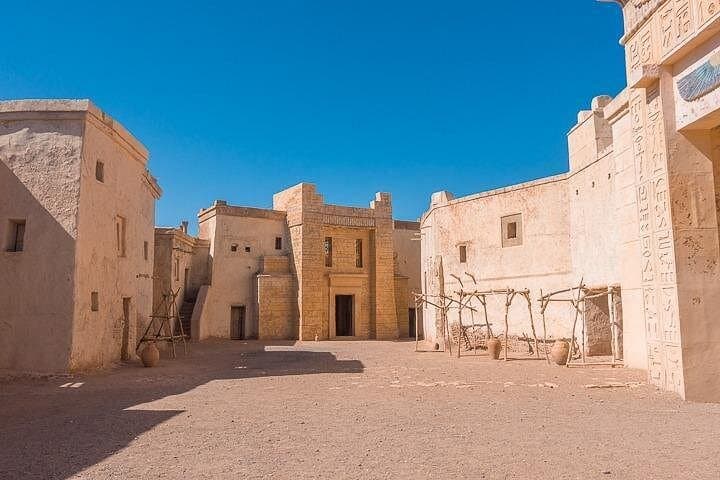
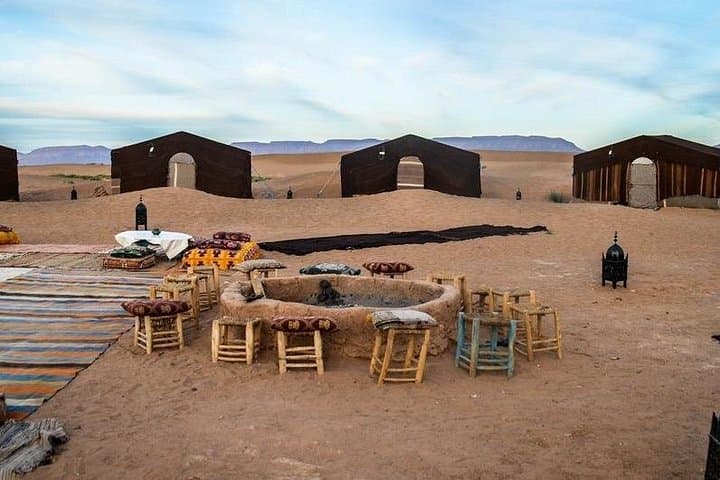
Expect long highway sections broken by photo stops: Ait Ben Haddou (kasbah clusters and film locations), Draa palm oases, and the small military and market town of Zagora. Nights alternate between riad or hotel comfort and a desert camp under open sky; temperatures swing sharply—heat by day, chill by night.
Practical guide: pack layered clothing, a wide-brim hat, sunscreen and 2–3 liters of water per person for daytime drives, and sturdy shoes for short walks on uneven cobbles and dunes. Allow for 6–8 hours of driving each direction depending on stops. If you’re prone to motion sickness, sit forward and travel light on the stomach. Sunrise and sunset in the desert are the richest light for photos—plan to be outside then.
moderate.
2 days.
Suitable for travelers in average condition who can handle long vehicle journeys and short walks on uneven terrain.
The itinerary includes an approximately one-hour camel ride timed for sunset on day one.
Yes—the tour includes one night in a riad or hotel and one night at a desert camp as stated in the inclusions.
Expect roughly 6–8 hours of driving each day depending on stops; the route goes over the High Atlas and through Ouarzazate and the Draa Valley.
Yes—private tours can accommodate dietary requests and infant seats are available; note this in booking questions.
The route follows historic trans-Saharan corridors; Ait Ben Haddou is a fortified ksar reflecting centuries of caravan trade and regional adobe architecture.
Stick to marked paths at kasbah sites, avoid collecting artifacts, and support local guides and camps that use low-impact water and waste practices.
Smart Morocco Tours Excursions operates guided outdoor trips and adventures with an emphasis on safety, stewardship, and memorable experiences.
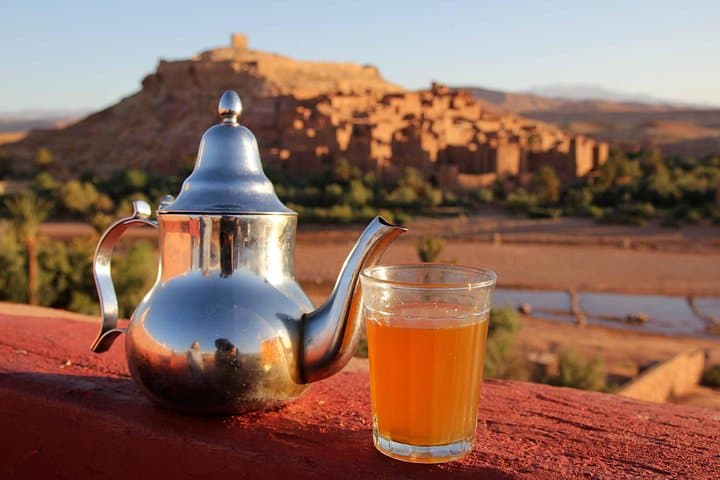
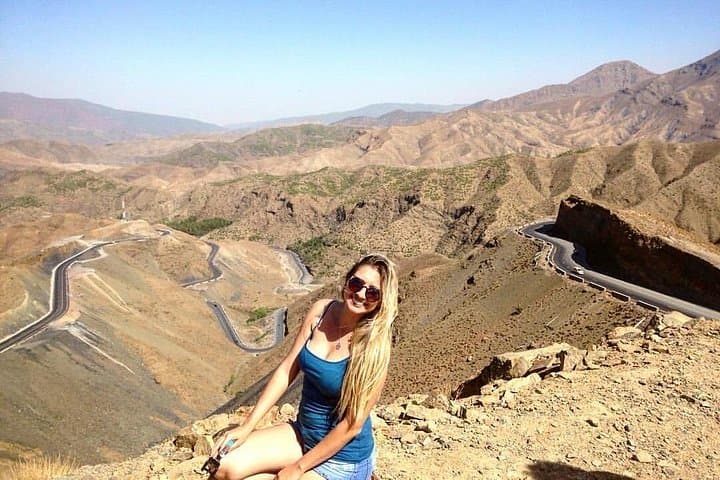
You climb into the van before dawn and the High Atlas pulls you upward, the road carving through rock and wind. By mid-morning the ochre walls of Ait Ben Haddou appear—compact kasbahs stacked like a clay city against a stark sky—and the driver eases through switchbacks that show the pass at its steepest. The first day stretches through palm-lined Draa Valley toward Zagora, where low dunes shift color as the sun drops and a single-hour camel ride becomes slow motion through warm air.
You climb into the van before dawn and the High Atlas pulls you upward, the road carving through rock and wind. By mid-morning the ochre walls of Ait Ben Haddou appear—compact kasbahs stacked like a clay city against a stark sky—and the driver eases through switchbacks that show the pass at its steepest. The first day stretches through palm-lined Draa Valley toward Zagora, where low dunes shift color as the sun drops and a single-hour camel ride becomes slow motion through warm air.
This route threads UNESCO-listed earthen architecture, Saharan fringe dunes, and the agricultural ribbon of the Draa—an ancient caravan corridor where irrigation-fed palms have supported settlements for centuries. Geologically, the trip crosses volcanic Atlas ranges and alluvial plains carved by episodic floods; culturally you’ll encounter Berber kasbahs, red clay villages, and towns shaped by trans-Saharan trade.
Expect long highway sections broken by photo stops: Ait Ben Haddou (kasbah clusters and film locations), Draa palm oases, and the small military and market town of Zagora. Nights alternate between riad or hotel comfort and a desert camp under open sky; temperatures swing sharply—heat by day, chill by night.
Practical guide: pack layered clothing, a wide-brim hat, sunscreen and 2–3 liters of water per person for daytime drives, and sturdy shoes for short walks on uneven cobbles and dunes. Allow for 6–8 hours of driving each direction depending on stops. If you’re prone to motion sickness, sit forward and travel light on the stomach. Sunrise and sunset in the desert are the richest light for photos—plan to be outside then.