THE ADVENTURE COLLECTIVE® · Independent discovery and booking for outdoor travel

Leave Marrakech before dawn and cross the High Atlas to reach the palms and sands of the Draa Valley. This 2-day shared tour blends mountain passes, a UNESCO kasbah visit, a sunset camel ride and a night in a Berber desert camp.
Leave Marrakech before dawn and cross the High Atlas to reach the palms and sands of the Draa Valley. This 2-day shared tour blends mountain passes, a UNESCO kasbah visit, a sunset camel ride and a night in a Berber desert camp.
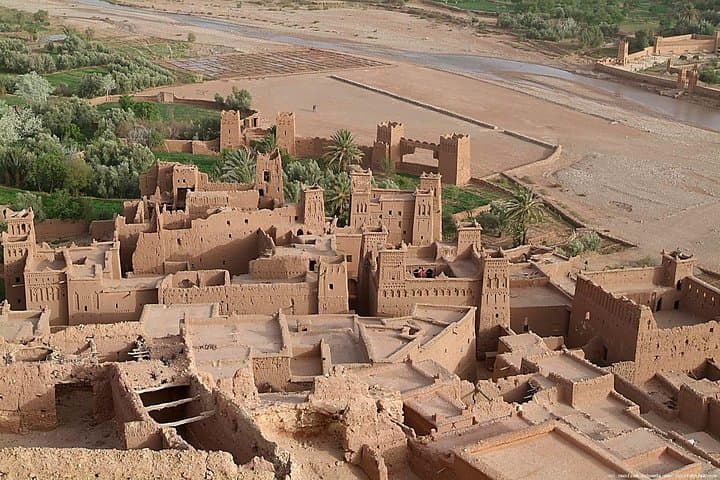
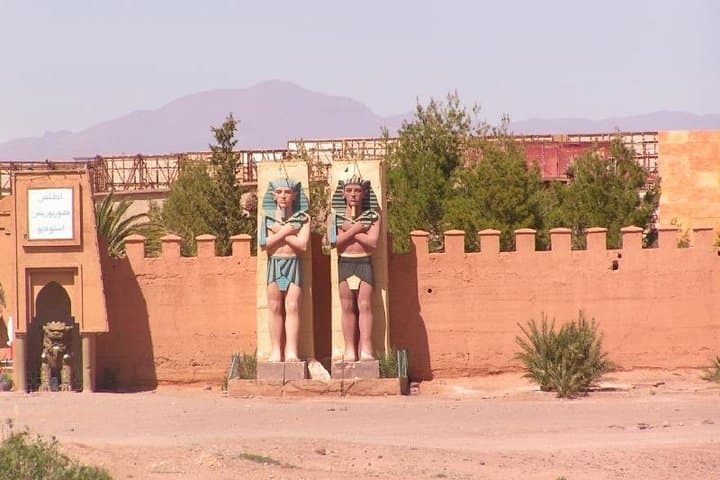
The day begins before sunrise in Marrakech, the city’s square emptying as an air-conditioned van threads up the Tizi N’Tichka pass. Wind and rock push at the vehicle; the High Atlas rises and the road carves through villages where goats pick at the roadside. By midday the ochre towers of Ait Ben Haddou appear—stone walls holding centuries of trade and film sets—and the route drops into the green ribbon of the Draa Valley where palms lean toward the river as if following its flow.
Verified experiences and guided adventures in the surrounding area.
Operated by Morocco Tours Services · Zagora, Drâa-Tafilalet
The day begins before sunrise in Marrakech, the city’s square emptying as an air-conditioned van threads up the Tizi N’Tichka pass. Wind and rock push at the vehicle; the High Atlas rises and the road carves through villages where goats pick at the roadside. By midday the ochre towers of Ait Ben Haddou appear—stone walls holding centuries of trade and film sets—and the route drops into the green ribbon of the Draa Valley where palms lean toward the river as if following its flow.
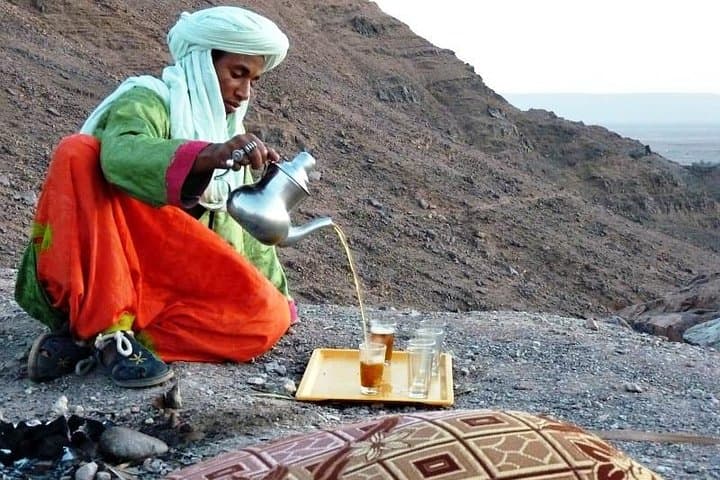
Geology here reads like a slow-motion story: crystalline Atlas peaks giving way to folded anti‑Atlas and finally the wind-sculpted sands of the Sahara. The culture shifts from mountain Berber life to oasis agriculture and then to nomadic desert traditions—music, mint tea and communal meals at a desert camp. Zagora itself grew as a caravan waypoint on trans-Saharan routes; camel caravans remain the emblematic means of crossing the dunes.
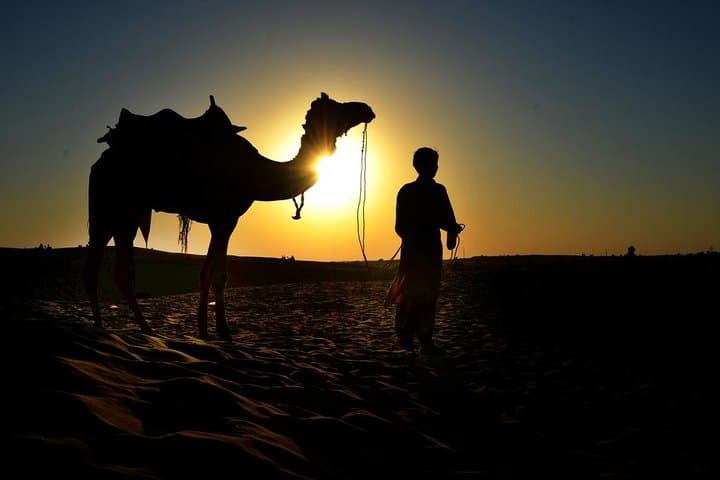
Expect two long travel days with stops: photo breaks on Tizi N’Tichka (2,260 m), a guided visit to UNESCO-listed Ait Ben Haddou, a late-afternoon camel trek to a remote desert camp, and a night under clear skies with local drumming. Bring layered clothing for hot days and cold nights, sun protection, and a small daypack for onward walks. The camel ride is steady and short (about an hour); guides handle logistics and meals are included at the camp. This is an accessible, scenic introduction to Morocco’s desert world—best for travelers comfortable with long drives, simple overnight accommodations, and an appetite for wide-open landscapes.
moderate.
2 days (approx. 10–12 hours driving total).
Suitable for travelers in average fitness; requires tolerance for long vehicle transfers and short, easy camel treks.
The camel trek to the camp is about one hour each way and is suitable for beginners; guides lead the procession and help with mounting.
Yes—dinner and breakfast at the desert camp and a standard tent or similar lodging are included in the tour price.
The itinerary includes a stop long enough for a guided walk and photos; entry to certain kasbah interiors may have separate fees.
Yes—this shared tour is designed for solo and budget travelers and includes pickup from Marrakech’s central square.
The route follows historic caravan corridors; Ait Ben Haddou and Taourirt Kasbah reflect centuries of Saharan trade and regional power centers.
Respect fragile dune vegetation and oasis irrigation channels—stick to established paths and carry out all non-biodegradable waste; local guides support low-impact camping practices.
Morocco Tours Services operates guided outdoor trips and adventures with an emphasis on safety, stewardship, and memorable experiences.
The day begins before sunrise in Marrakech, the city’s square emptying as an air-conditioned van threads up the Tizi N’Tichka pass. Wind and rock push at the vehicle; the High Atlas rises and the road carves through villages where goats pick at the roadside. By midday the ochre towers of Ait Ben Haddou appear—stone walls holding centuries of trade and film sets—and the route drops into the green ribbon of the Draa Valley where palms lean toward the river as if following its flow.
The day begins before sunrise in Marrakech, the city’s square emptying as an air-conditioned van threads up the Tizi N’Tichka pass. Wind and rock push at the vehicle; the High Atlas rises and the road carves through villages where goats pick at the roadside. By midday the ochre towers of Ait Ben Haddou appear—stone walls holding centuries of trade and film sets—and the route drops into the green ribbon of the Draa Valley where palms lean toward the river as if following its flow.
Geology here reads like a slow-motion story: crystalline Atlas peaks giving way to folded anti‑Atlas and finally the wind-sculpted sands of the Sahara. The culture shifts from mountain Berber life to oasis agriculture and then to nomadic desert traditions—music, mint tea and communal meals at a desert camp. Zagora itself grew as a caravan waypoint on trans-Saharan routes; camel caravans remain the emblematic means of crossing the dunes.
Expect two long travel days with stops: photo breaks on Tizi N’Tichka (2,260 m), a guided visit to UNESCO-listed Ait Ben Haddou, a late-afternoon camel trek to a remote desert camp, and a night under clear skies with local drumming. Bring layered clothing for hot days and cold nights, sun protection, and a small daypack for onward walks. The camel ride is steady and short (about an hour); guides handle logistics and meals are included at the camp. This is an accessible, scenic introduction to Morocco’s desert world—best for travelers comfortable with long drives, simple overnight accommodations, and an appetite for wide-open landscapes.