THE ADVENTURE COLLECTIVE® · Independent discovery and booking for outdoor travel

Drive the Tichka Pass, explore UNESCO-listed Ait Ben Haddou and sleep under the stars after a camel trek into Zagora’s dunes. This two-day tour pairs cinematic kasbahs with a managed desert bivouac, ideal for travelers seeking culture and big-sky deserts.
Drive the Tichka Pass, explore UNESCO-listed Ait Ben Haddou and sleep under the stars after a camel trek into Zagora’s dunes. This two-day tour pairs cinematic kasbahs with a managed desert bivouac, ideal for travelers seeking culture and big-sky deserts.
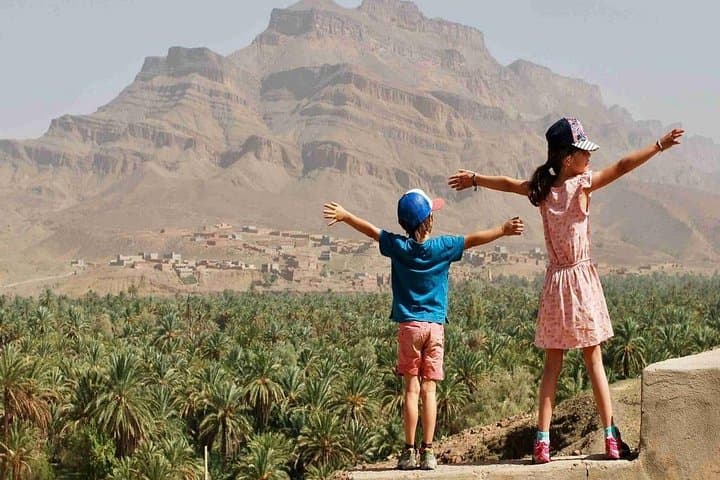
A low sun slices the High Atlas as your convoy climbs Tichka Pass—rocks and red earth sliding away to reveal palm-lined valleys and the first silhouette of a kasbah. On this two-day route from Marrakech to Zagora, the road itself reads like a series of chapters: mountain villages, the UNESCO mud-brick ramparts of Ait Ben Haddou, cinematic studios at Ouarzazate, then the Draa Valley’s long ribbons of palm groves before the desert opens and the dunes begin to dare you forward.
Verified experiences and guided adventures in the surrounding area.
Operated by Funny Excursions · Zagora, Drâa-Tafilalet
A low sun slices the High Atlas as your convoy climbs Tichka Pass—rocks and red earth sliding away to reveal palm-lined valleys and the first silhouette of a kasbah. On this two-day route from Marrakech to Zagora, the road itself reads like a series of chapters: mountain villages, the UNESCO mud-brick ramparts of Ait Ben Haddou, cinematic studios at Ouarzazate, then the Draa Valley’s long ribbons of palm groves before the desert opens and the dunes begin to dare you forward.
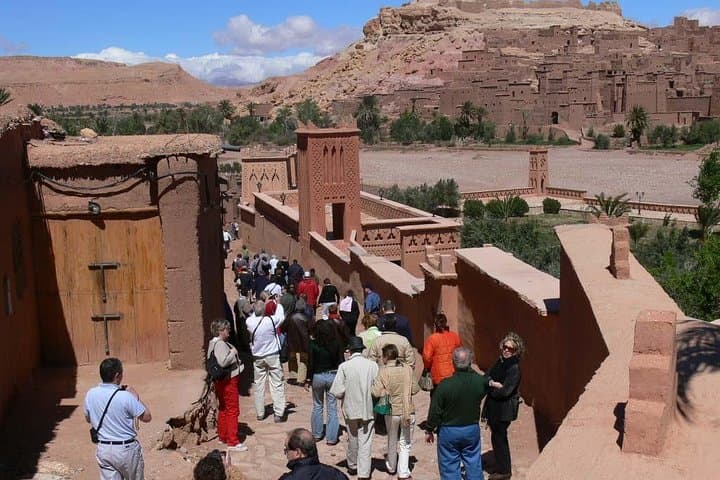
The kasbahs are living memory of trans-Saharan trade and Berber defensive architecture—thick, sun-baked walls that stored grain and guarded routes. Geologically, the landscape shifts from folded metamorphics in the Atlas to sedimentary basins and wind-sculpted dunes south of Zagora. Culturally, evenings in the bivouac emphasize local rhythms: mint tea, drumming, and songs that mark caravan time.
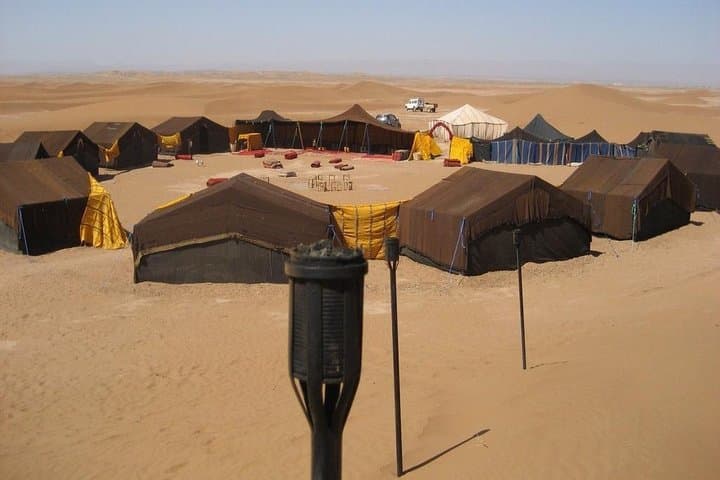
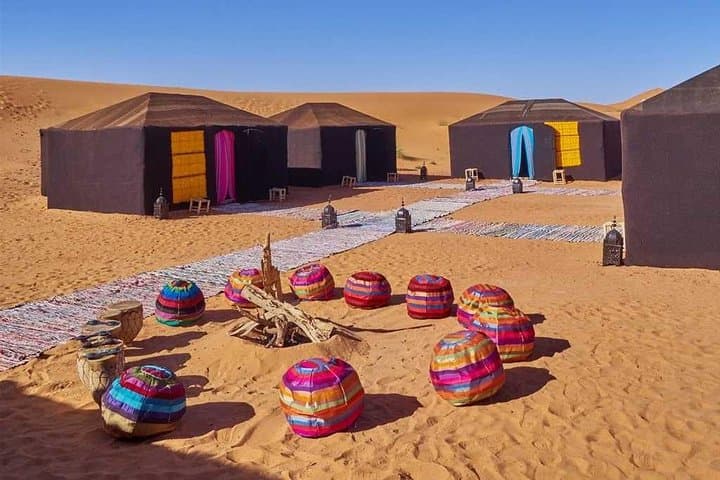
Practically: expect long vehicle transfers over paved mountain roads, a short camel trek to camp, and a night in a private desert tent with basic facilities. Sunrise from a camel is cold and clear; bring layered clothing and sun protection. Hydrate before long drives through arid stretches, carry small cash for local purchases, and allot time at Ait Ben Haddou to walk the alleys.
This trip balances immersive cultural contact with straightforward logistics—air-conditioned transport, a local guide at the kasbah, and meals included—making it accessible for travelers who want desert scenery, authentic kasbah architecture, and a managed overnight under the Saharan stars.
moderate.
2 days.
Suitable for travelers in good general health; requires ability to manage short camel rides and periods of sitting during long vehicle transfers
No—camel rides are brief and guided; staff assist with mounting and dismounting and the pace is steady for beginners.
This tour uses private Saharan tents with basic sleeping facilities, communal bathrooms at camp, and camp-provided dinner and breakfast.
The operator lists infant seats and describes the tour as physically easy, but consider the long drives and overnight desert conditions before booking with very young children.
Yes—dinner on night one and breakfast are included; dietary needs (e.g., vegetarian) should be noted at booking.
The kasbahs and fortified villages grew from trans-Saharan caravan routes; mud-brick architecture reflects centuries of trade, defense, and local building traditions.
Water is scarce—carry minimal single-use plastics and follow camp instructions for waste; support local guides and small businesses to ensure benefits reach communities.
Funny Excursions operates guided outdoor trips and adventures with an emphasis on safety, stewardship, and memorable experiences.
A low sun slices the High Atlas as your convoy climbs Tichka Pass—rocks and red earth sliding away to reveal palm-lined valleys and the first silhouette of a kasbah. On this two-day route from Marrakech to Zagora, the road itself reads like a series of chapters: mountain villages, the UNESCO mud-brick ramparts of Ait Ben Haddou, cinematic studios at Ouarzazate, then the Draa Valley’s long ribbons of palm groves before the desert opens and the dunes begin to dare you forward.
A low sun slices the High Atlas as your convoy climbs Tichka Pass—rocks and red earth sliding away to reveal palm-lined valleys and the first silhouette of a kasbah. On this two-day route from Marrakech to Zagora, the road itself reads like a series of chapters: mountain villages, the UNESCO mud-brick ramparts of Ait Ben Haddou, cinematic studios at Ouarzazate, then the Draa Valley’s long ribbons of palm groves before the desert opens and the dunes begin to dare you forward.
The kasbahs are living memory of trans-Saharan trade and Berber defensive architecture—thick, sun-baked walls that stored grain and guarded routes. Geologically, the landscape shifts from folded metamorphics in the Atlas to sedimentary basins and wind-sculpted dunes south of Zagora. Culturally, evenings in the bivouac emphasize local rhythms: mint tea, drumming, and songs that mark caravan time.
Practically: expect long vehicle transfers over paved mountain roads, a short camel trek to camp, and a night in a private desert tent with basic facilities. Sunrise from a camel is cold and clear; bring layered clothing and sun protection. Hydrate before long drives through arid stretches, carry small cash for local purchases, and allot time at Ait Ben Haddou to walk the alleys.
This trip balances immersive cultural contact with straightforward logistics—air-conditioned transport, a local guide at the kasbah, and meals included—making it accessible for travelers who want desert scenery, authentic kasbah architecture, and a managed overnight under the Saharan stars.