THE ADVENTURE COLLECTIVE® · Independent discovery and booking for outdoor travel

A compact overnight journey from Marrakech through the High Atlas to the Zagora dunes—visit Aït Ben Haddou and Ouarzazate, ride a dromedary at sunset, and sleep in a Berber desert camp. Ideal for travelers short on time who want a true Sahara experience.
A compact overnight journey from Marrakech through the High Atlas to the Zagora dunes—visit Aït Ben Haddou and Ouarzazate, ride a dromedary at sunset, and sleep in a Berber desert camp. Ideal for travelers short on time who want a true Sahara experience.
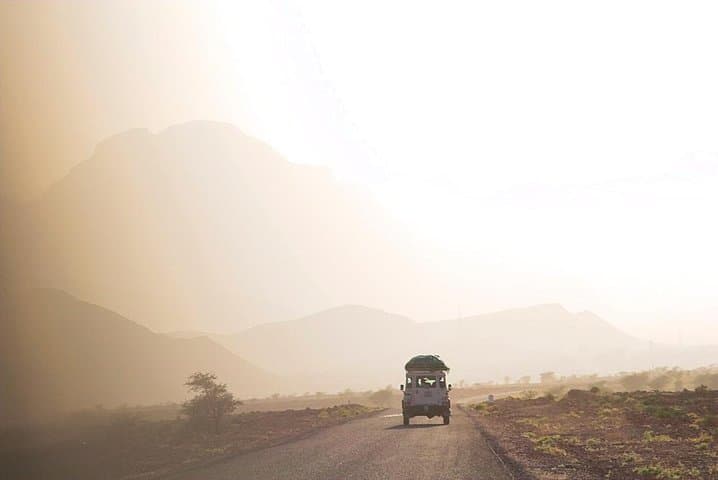
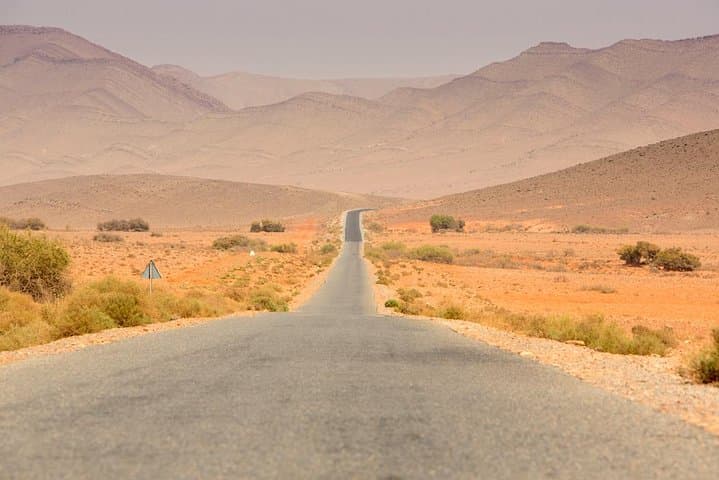
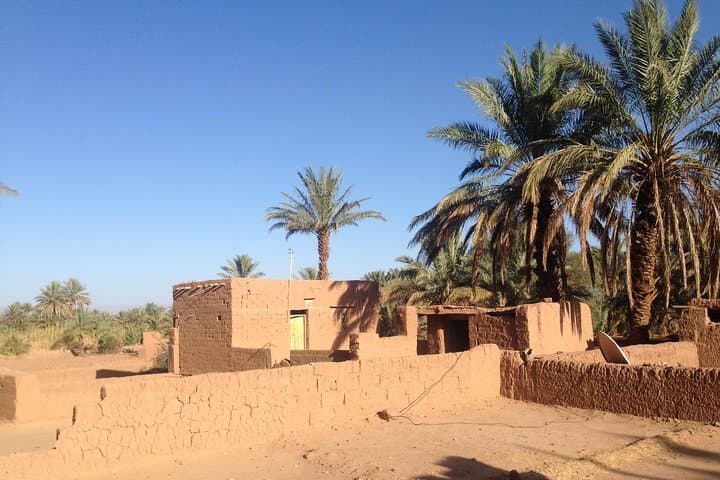
You leave Marrakech before dawn, the city’s tiled roofs shrinking as the road climbs into the High Atlas. The pass—Tizi n’Tichka—throws dramatic switchbacks and scatterings of ochre Berber villages into the rearview, then opens onto the palm-slashed Draa Valley and the low, wind-sculpted dunes around Zagora.
Verified experiences and guided adventures in the surrounding area.
Operated by Gboo Morocco Tours · Zagora, Drâa-Tafilalet
You leave Marrakech before dawn, the city’s tiled roofs shrinking as the road climbs into the High Atlas. The pass—Tizi n’Tichka—throws dramatic switchbacks and scatterings of ochre Berber villages into the rearview, then opens onto the palm-slashed Draa Valley and the low, wind-sculpted dunes around Zagora.
Daylight balances cinematic stops: Aït Ben Haddou’s mud-brick kasbah (UNESCO-listed) and Ouarzazate’s kasbahs and film studios, reminders that this route was once a caravan corridor linking Sahara trade routes to the Atlas. Geology shifts fast here—from igneous folds at 2,260 m on the pass to alluvial plains and wind-formed sand as you drop toward Zagora.
The afternoon camel ride feels deliberate: a slow, rolling approach to the camp as the light flattens across the dunes. Camp life is simple—Berber tents, a communal dinner of tagine, and a sky where stars cut crisp lines. Sunrise returns you to the camels and the long drive back to Marrakech, the High Atlas offering different moods in morning light.
Practical essentials: expect about 6–8 hours driving each way (≈360 km total round-trip), short hikes around kasbahs, and easy camel treks of roughly 45–60 minutes. The trip suits travelers looking for compact, overnight desert exposure without technical trekking. Bring sun protection, layered clothing for cold desert nights, and a small overnight bag you can keep on the camel.
This two-day itinerary is a concentrated sample of southern Morocco—history, geology, and desert culture condensed into a single, accessible overnight adventure.
moderate.
2 days.
Light to moderate fitness; able to sit through long drives and handle short camel treks and brief walks around kasbahs
Camel treks included are roughly 45–60 minutes to reach the desert camp at sunset, paced for comfort rather than speed.
Yes—dinner in the desert camp and a Berber-style breakfast the next morning are included.
Generally yes; the itinerary notes infants may ride in strollers and lap seating is required for very young children, but long drives and rough vehicle roads can be tiring for small kids.
No prior experience required; the route is driven, camel rides are short and guided, and overnight stays are in staffed camps.
The route follows old caravan corridors; Aït Ben Haddou grew as a fortified ksar on trans-Saharan trading lines and later served as a film location for international productions.
The desert ecosystem is fragile—avoid disturbing vegetation, pack out waste, and support camps that use local guides and minimize single-use plastics.
Gboo Morocco Tours operates guided outdoor trips and adventures with an emphasis on safety, stewardship, and memorable experiences.
You leave Marrakech before dawn, the city’s tiled roofs shrinking as the road climbs into the High Atlas. The pass—Tizi n’Tichka—throws dramatic switchbacks and scatterings of ochre Berber villages into the rearview, then opens onto the palm-slashed Draa Valley and the low, wind-sculpted dunes around Zagora.
You leave Marrakech before dawn, the city’s tiled roofs shrinking as the road climbs into the High Atlas. The pass—Tizi n’Tichka—throws dramatic switchbacks and scatterings of ochre Berber villages into the rearview, then opens onto the palm-slashed Draa Valley and the low, wind-sculpted dunes around Zagora.
Daylight balances cinematic stops: Aït Ben Haddou’s mud-brick kasbah (UNESCO-listed) and Ouarzazate’s kasbahs and film studios, reminders that this route was once a caravan corridor linking Sahara trade routes to the Atlas. Geology shifts fast here—from igneous folds at 2,260 m on the pass to alluvial plains and wind-formed sand as you drop toward Zagora.
The afternoon camel ride feels deliberate: a slow, rolling approach to the camp as the light flattens across the dunes. Camp life is simple—Berber tents, a communal dinner of tagine, and a sky where stars cut crisp lines. Sunrise returns you to the camels and the long drive back to Marrakech, the High Atlas offering different moods in morning light.
Practical essentials: expect about 6–8 hours driving each way (≈360 km total round-trip), short hikes around kasbahs, and easy camel treks of roughly 45–60 minutes. The trip suits travelers looking for compact, overnight desert exposure without technical trekking. Bring sun protection, layered clothing for cold desert nights, and a small overnight bag you can keep on the camel.
This two-day itinerary is a concentrated sample of southern Morocco—history, geology, and desert culture condensed into a single, accessible overnight adventure.