THE ADVENTURE COLLECTIVE® · Independent discovery and booking for outdoor travel

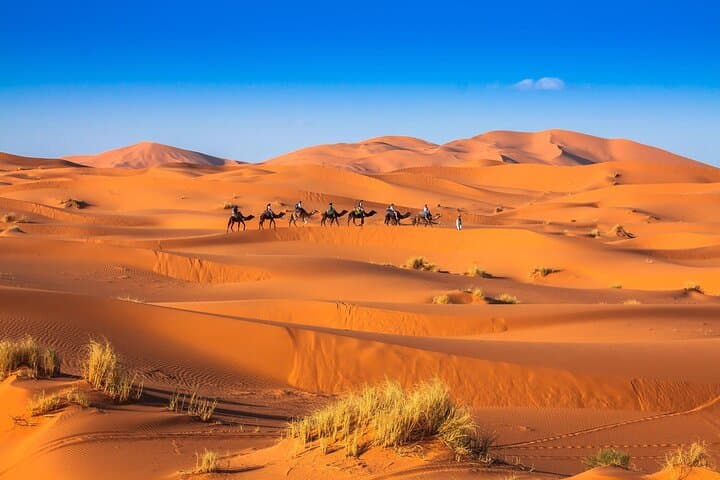
Drive over the High Atlas to Ait Benhaddou, sleep under nomad tents in Zagora and wake for a dune sunrise. This two-day private tour pairs historic kasbahs and Draa Valley palms with a camel ride and an authentic desert bivouac.
Drive over the High Atlas to Ait Benhaddou, sleep under nomad tents in Zagora and wake for a dune sunrise. This two-day private tour pairs historic kasbahs and Draa Valley palms with a camel ride and an authentic desert bivouac.
You leave Marrakech before dawn, headlights cutting across the High Atlas as the tarmac climbs to Tizi n’Tichka. The road eases into ochre folds and salt-streaked gullies; by midday the fortified walls of Ait Benhaddou appear, sun-warmed mud-brick catching your eye like an old film set. The vehicle hums south, the Draa Valley’s palms daring you to taste shade, and by evening the dunes open—soft, wind-sculpted ridges where a nomad camp waits.
Verified experiences and guided adventures in the surrounding area.
Operated by Eddyafa Travel · Zagora, Drâa-Tafilalet
You leave Marrakech before dawn, headlights cutting across the High Atlas as the tarmac climbs to Tizi n’Tichka. The road eases into ochre folds and salt-streaked gullies; by midday the fortified walls of Ait Benhaddou appear, sun-warmed mud-brick catching your eye like an old film set. The vehicle hums south, the Draa Valley’s palms daring you to taste shade, and by evening the dunes open—soft, wind-sculpted ridges where a nomad camp waits.
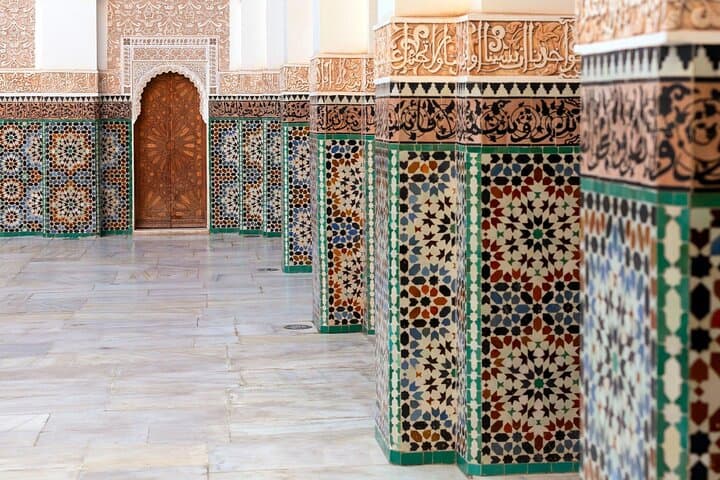
This route threads geology and history: volcanic and sedimentary strata of the Atlas, ancient caravan tracks that turned Zagora into a trans-Saharan waypoint, and UNESCO-listed ksars that recall centuries of trade and film-making. Local Berber culture is tangible in roadside argan presses, kasbah masonry, and the cadence of tea poured in clay cups.
Practical guidance: expect long hours in a comfortable 4x4, early wake-ups for sunrise, and a short camel trek into the dunes. Desert temperatures swing—hot daytime sun and cold nights—so layer up. The camp provides mattresses and blankets, but bring a headlamp and a reliable water bottle. Carry cash for small purchases; Wi‑Fi is limited outside cities.
Health and safety notes: hydrate before and during drives, protect skin and eyes from direct sun, and be ready for sandy footing during the camel ride and dune walking. Photography rewards patience: the light at golden hour transforms kasbah walls and palm oases alike. This is a compact, immersive slice of southern Morocco—part geology lesson, part cultural exchange, all desert rhythm.
moderate.
2 days.
Suitable for travelers in average physical condition; involves short camel rides and walking on sand, plus long vehicle transfers.
The camel ride is typically a short excursion of 30–60 minutes to reach nearby dunes and watch the sunrise or sunset.
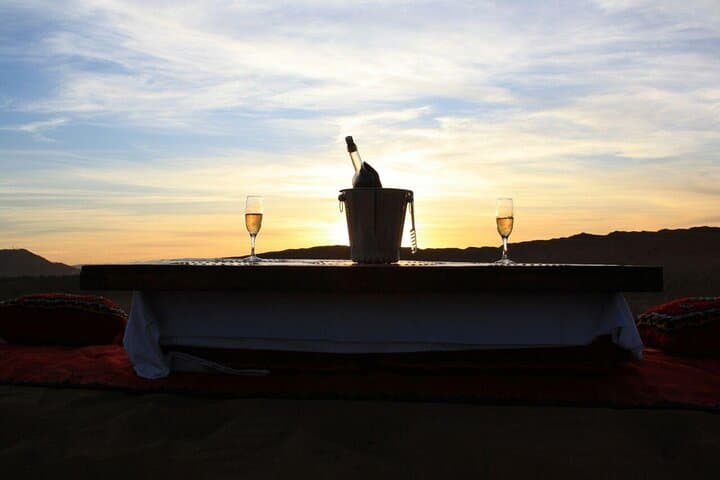
The tour provides traditional tents with mattresses and blankets; facilities are basic and seasonally heated if required.
Yes—physical demands are low, but the tour is not recommended for people with serious heart conditions and involves early starts and sand mobility.
Meals are included and largely traditional; communicate dietary restrictions when booking so guides can arrange alternatives when possible.
Zagora and the Draa were once part of trans-Saharan routes; ksars and kasbahs along the road served merchants and caravans moving salt and dates for centuries.
The desert ecosystem is fragile—minimize water use, avoid driving on dune faces, and follow Leave No Trace principles to protect oases and archaeological sites.
Eddyafa Travel operates guided outdoor trips and adventures with an emphasis on safety, stewardship, and memorable experiences.
You leave Marrakech before dawn, headlights cutting across the High Atlas as the tarmac climbs to Tizi n’Tichka. The road eases into ochre folds and salt-streaked gullies; by midday the fortified walls of Ait Benhaddou appear, sun-warmed mud-brick catching your eye like an old film set. The vehicle hums south, the Draa Valley’s palms daring you to taste shade, and by evening the dunes open—soft, wind-sculpted ridges where a nomad camp waits.
You leave Marrakech before dawn, headlights cutting across the High Atlas as the tarmac climbs to Tizi n’Tichka. The road eases into ochre folds and salt-streaked gullies; by midday the fortified walls of Ait Benhaddou appear, sun-warmed mud-brick catching your eye like an old film set. The vehicle hums south, the Draa Valley’s palms daring you to taste shade, and by evening the dunes open—soft, wind-sculpted ridges where a nomad camp waits.
This route threads geology and history: volcanic and sedimentary strata of the Atlas, ancient caravan tracks that turned Zagora into a trans-Saharan waypoint, and UNESCO-listed ksars that recall centuries of trade and film-making. Local Berber culture is tangible in roadside argan presses, kasbah masonry, and the cadence of tea poured in clay cups.
Practical guidance: expect long hours in a comfortable 4x4, early wake-ups for sunrise, and a short camel trek into the dunes. Desert temperatures swing—hot daytime sun and cold nights—so layer up. The camp provides mattresses and blankets, but bring a headlamp and a reliable water bottle. Carry cash for small purchases; Wi‑Fi is limited outside cities.
Health and safety notes: hydrate before and during drives, protect skin and eyes from direct sun, and be ready for sandy footing during the camel ride and dune walking. Photography rewards patience: the light at golden hour transforms kasbah walls and palm oases alike. This is a compact, immersive slice of southern Morocco—part geology lesson, part cultural exchange, all desert rhythm.