THE ADVENTURE COLLECTIVE® · Independent discovery and booking for outdoor travel

Trade Marrakech’s alleys for high mountain air: hike to a waterfall near Imlil, visit a Berber home and argan cooperative, then watch sunset over the Agafay Desert from a camel saddle. This full-day tour blends culture, short mountain trekking and accessible desert scenery.
Trade Marrakech’s alleys for high mountain air: hike to a waterfall near Imlil, visit a Berber home and argan cooperative, then watch sunset over the Agafay Desert from a camel saddle. This full-day tour blends culture, short mountain trekking and accessible desert scenery.
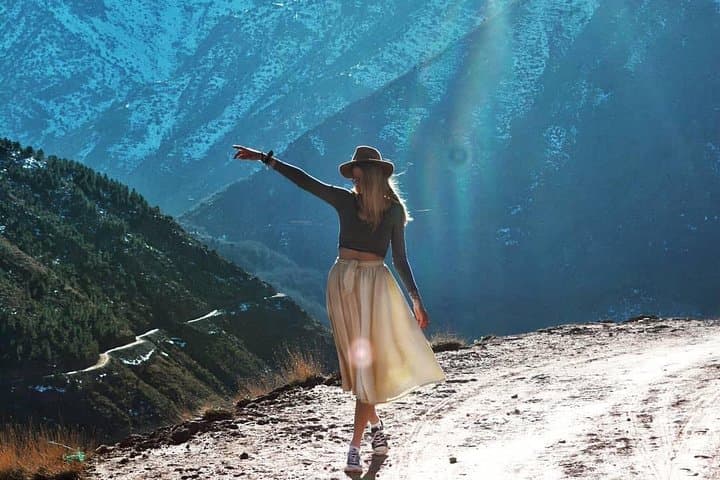
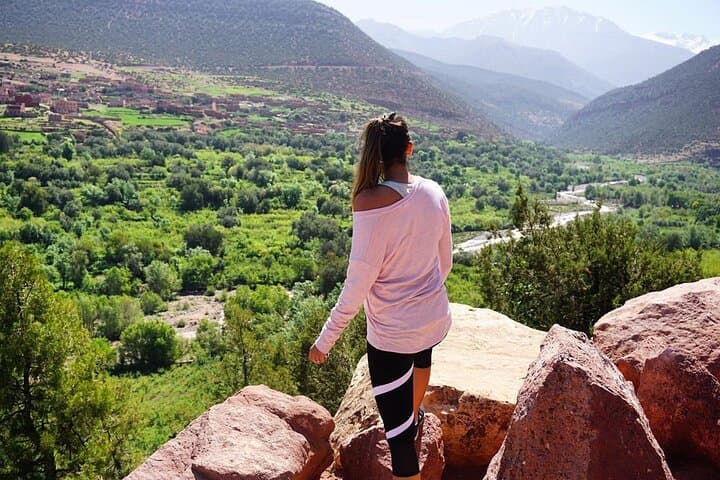
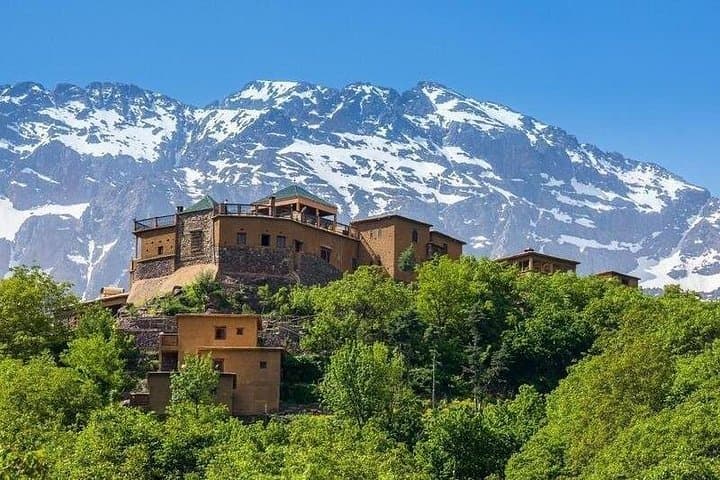
You leave Marrakech behind and the medina noise thins into a ribbon of road that climbs toward stone villages and knife-edged ridgelines. Air sharpens; terraced fields step up the slopes and the High Atlas peaks press into the sky. Morning light catches white domes of distant villages while the guide points out paths that shepherds still use.
Verified experiences and guided adventures in the surrounding area.
Operated by Atlas Mountains View · Marrakech, Marrakesh-Safi
You leave Marrakech behind and the medina noise thins into a ribbon of road that climbs toward stone villages and knife-edged ridgelines. Air sharpens; terraced fields step up the slopes and the High Atlas peaks press into the sky. Morning light catches white domes of distant villages while the guide points out paths that shepherds still use.
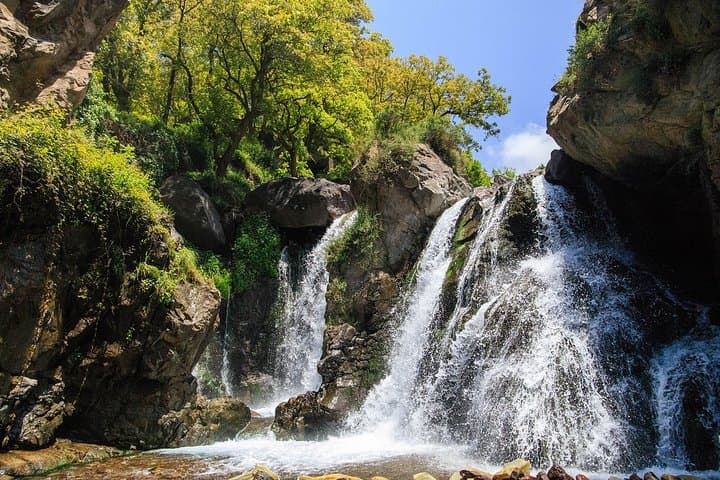
This full-day route threads history and geology: volcanic and sedimentary beds carved by millennia of water rush into valleys, while the Berber (Amazigh) communities of Imlil and Ait Souka have farmed these slopes for generations. You’ll hike roughly 3–5 km roundtrip to a waterfall at about 2,000 m, moving across packed dirt and stone steps with roughly 200–350 m of ascent. Along the way, learn about argan oil production at a women’s cooperative and share mint tea with a Berber family — cultural exchanges that reflect local hospitality and rural livelihoods.
After the mountain hike, the route swings down to Lalla Takerkoust Lake for a tea break, then out to the rocky Agafay Desert where a 20-minute camel ride gives a compact taste of desert travel without the multi-day commitment to the Sahara.
Practical notes: expect an 8–9 hour day with 1–1.5 hour drives between highlights; bring layered clothing for variable temps, sturdy shoes for uneven trails, and sun protection. Follow your guide’s local etiquette guidance, carry water, and respect private homesteads when visiting households.
moderate.
8–9 hours.
Suitable for travelers in fair fitness; expect a steady 1–1.5 hour hike with short steep sections and several hours of standing/walking during visits.
The guided hike is about 1.5 hours each way (3–5 km roundtrip) with 200–350 m of elevation change; it’s moderate but manageable for most people who can walk on uneven terrain.
Yes — transfers by air-conditioned vehicle from Marrakech and return are included in the tour price.
Home visits involve steps and low seating; inform your booking agent about mobility limits so guides can adapt the visit or offer an alternative viewpoint.
Optional quad biking is often offered at extra cost on-site; check with your operator beforehand for availability and age or weight limits.
The High Atlas is home to Amazigh communities with centuries-old agricultural terraces; argan oil cooperatives nearby reflect matriarchal small-scale economies.
These mountain and semi-desert environments are fragile—stay on trails, avoid single-use plastics, and support local cooperatives to ensure tourism benefits communities.
Atlas Mountains View operates guided outdoor trips and adventures with an emphasis on safety, stewardship, and memorable experiences.
You leave Marrakech behind and the medina noise thins into a ribbon of road that climbs toward stone villages and knife-edged ridgelines. Air sharpens; terraced fields step up the slopes and the High Atlas peaks press into the sky. Morning light catches white domes of distant villages while the guide points out paths that shepherds still use.
You leave Marrakech behind and the medina noise thins into a ribbon of road that climbs toward stone villages and knife-edged ridgelines. Air sharpens; terraced fields step up the slopes and the High Atlas peaks press into the sky. Morning light catches white domes of distant villages while the guide points out paths that shepherds still use.
This full-day route threads history and geology: volcanic and sedimentary beds carved by millennia of water rush into valleys, while the Berber (Amazigh) communities of Imlil and Ait Souka have farmed these slopes for generations. You’ll hike roughly 3–5 km roundtrip to a waterfall at about 2,000 m, moving across packed dirt and stone steps with roughly 200–350 m of ascent. Along the way, learn about argan oil production at a women’s cooperative and share mint tea with a Berber family — cultural exchanges that reflect local hospitality and rural livelihoods.
After the mountain hike, the route swings down to Lalla Takerkoust Lake for a tea break, then out to the rocky Agafay Desert where a 20-minute camel ride gives a compact taste of desert travel without the multi-day commitment to the Sahara.
Practical notes: expect an 8–9 hour day with 1–1.5 hour drives between highlights; bring layered clothing for variable temps, sturdy shoes for uneven trails, and sun protection. Follow your guide’s local etiquette guidance, carry water, and respect private homesteads when visiting households.