THE ADVENTURE COLLECTIVE® · Independent discovery and booking for outdoor travel

A full-day private drive from Marrakech through three distinct Atlas valleys—Lalla Takerkoust, Asni/Ouirgane and Ourika—blends short hikes, markets, and panoramic mountain views. Expect lakeside calm, hilltop panoramas, and a riverside waterfall climb on a varied but accessible route.
A full-day private drive from Marrakech through three distinct Atlas valleys—Lalla Takerkoust, Asni/Ouirgane and Ourika—blends short hikes, markets, and panoramic mountain views. Expect lakeside calm, hilltop panoramas, and a riverside waterfall climb on a varied but accessible route.
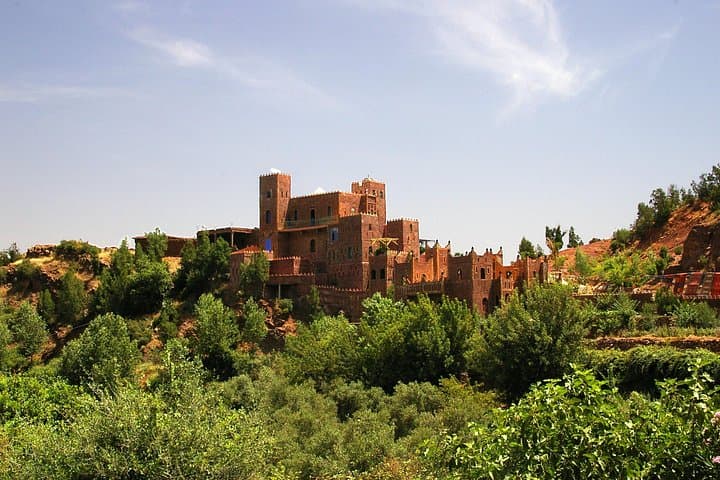
You leave Marrakech’s ochre walls before dawn and the road unfurls toward the High Atlas, light striking the terraces like pages. The first stop, Lalla Takerkoust dam, opens into a wide, glassy pool that cools the air; the lake seems to breathe, pushing back the heat of the city. From the plateau of Kik the High Atlas teeth the skyline—snow-capped in spring, raw and flinty in winter—while Berber villages cling to slopes and stonework keeps its measured age.
Verified experiences and guided adventures in the surrounding area.
Operated by Intercity Journeys · Marrakech, Marrakesh-Safi
You leave Marrakech’s ochre walls before dawn and the road unfurls toward the High Atlas, light striking the terraces like pages. The first stop, Lalla Takerkoust dam, opens into a wide, glassy pool that cools the air; the lake seems to breathe, pushing back the heat of the city. From the plateau of Kik the High Atlas teeth the skyline—snow-capped in spring, raw and flinty in winter—while Berber villages cling to slopes and stonework keeps its measured age.
This route threads history and geology: the Atlas range is a young mountain belt forged by African-Eurasian collision, its folded limestone and volcanic outcrops creating narrow gorges and broad valleys. Culture is visible in small rituals — mint tea served with deliberate etiquette at a Berber house, weekly souks at Tahanaout and Tnine Ourika where traders and farmers converge with goods and gossip.
Practical insight: the Ourika approach finishes with a steep, rocky path to waterfalls; the climb is short but technical in places and lined with craft stalls and working workshops. Expect a mix of paved drives and uneven footpaths, intermittent shade, and multiple short stops for photos and market browsing. Guide-led transportation handles logistics, but wear grippy footwear and carry water; mountain weather can change fast and sunlight is strong on exposed plateaus.
Plan for a long day — the reward is layered: lakeside calm, high-altitude panoramas, and a riverside cascade that makes the walk worth the effort.
moderate.
8–10 hours.
Moderate fitness—able to handle several short hikes, uneven terrain and a few steep sections; not suitable for those with serious mobility constraints.
Drive times vary by valley and traffic but expect 45–90 minutes each way depending on the stop and route chosen.
The hike includes uneven, sometimes steep sections; children and older adults who are steady on their feet can usually manage with frequent breaks and guide assistance.
Lunch is typically arranged at a local restaurant in the Ourika valley; tea at a Berber house is usually part of the experience but confirm inclusions with your operator.
Yes—Tahanaoute’s market runs on Tuesdays (and Saturdays in some villages) and Tnine Ourika traditionally on Mondays; schedule your trip around these if you want to visit a souk.
The High Atlas has long been home to Amazigh (Berber) communities whose terraces and village clusters reflect centuries of mountain agriculture and seasonal pastoralism.
Visitors should stick to trails, avoid purchasing products made from protected wildlife, and limit plastic waste—local guides often support community-led conservation and sustainable tourism initiatives.
Intercity Journeys operates guided outdoor trips and adventures with an emphasis on safety, stewardship, and memorable experiences.
You leave Marrakech’s ochre walls before dawn and the road unfurls toward the High Atlas, light striking the terraces like pages. The first stop, Lalla Takerkoust dam, opens into a wide, glassy pool that cools the air; the lake seems to breathe, pushing back the heat of the city. From the plateau of Kik the High Atlas teeth the skyline—snow-capped in spring, raw and flinty in winter—while Berber villages cling to slopes and stonework keeps its measured age.
You leave Marrakech’s ochre walls before dawn and the road unfurls toward the High Atlas, light striking the terraces like pages. The first stop, Lalla Takerkoust dam, opens into a wide, glassy pool that cools the air; the lake seems to breathe, pushing back the heat of the city. From the plateau of Kik the High Atlas teeth the skyline—snow-capped in spring, raw and flinty in winter—while Berber villages cling to slopes and stonework keeps its measured age.
This route threads history and geology: the Atlas range is a young mountain belt forged by African-Eurasian collision, its folded limestone and volcanic outcrops creating narrow gorges and broad valleys. Culture is visible in small rituals — mint tea served with deliberate etiquette at a Berber house, weekly souks at Tahanaout and Tnine Ourika where traders and farmers converge with goods and gossip.
Practical insight: the Ourika approach finishes with a steep, rocky path to waterfalls; the climb is short but technical in places and lined with craft stalls and working workshops. Expect a mix of paved drives and uneven footpaths, intermittent shade, and multiple short stops for photos and market browsing. Guide-led transportation handles logistics, but wear grippy footwear and carry water; mountain weather can change fast and sunlight is strong on exposed plateaus.
Plan for a long day — the reward is layered: lakeside calm, high-altitude panoramas, and a riverside cascade that makes the walk worth the effort.