THE ADVENTURE COLLECTIVE® · Independent discovery and booking for outdoor travel

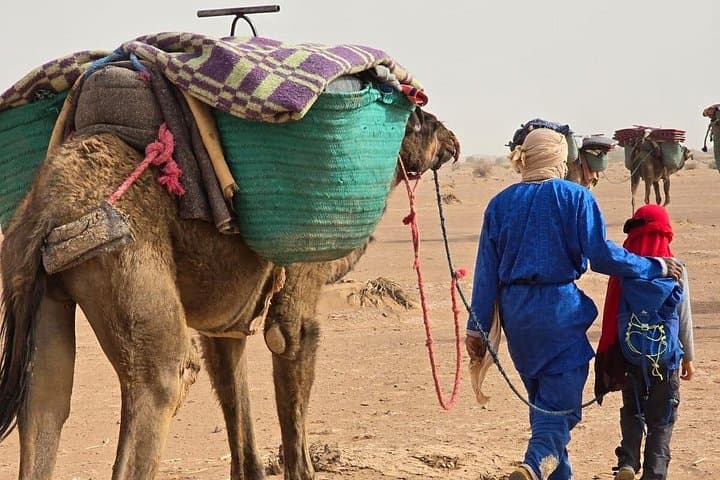
Traverse mountain passes, historic kasbahs, and the towering sand seas of Erg Chebbi on this 8-day route from Marrakech. Expect long scenic drives, camel treks at sunset, nights in Berber camps and a mix of mountain and desert terrain.
Traverse mountain passes, historic kasbahs, and the towering sand seas of Erg Chebbi on this 8-day route from Marrakech. Expect long scenic drives, camel treks at sunset, nights in Berber camps and a mix of mountain and desert terrain.
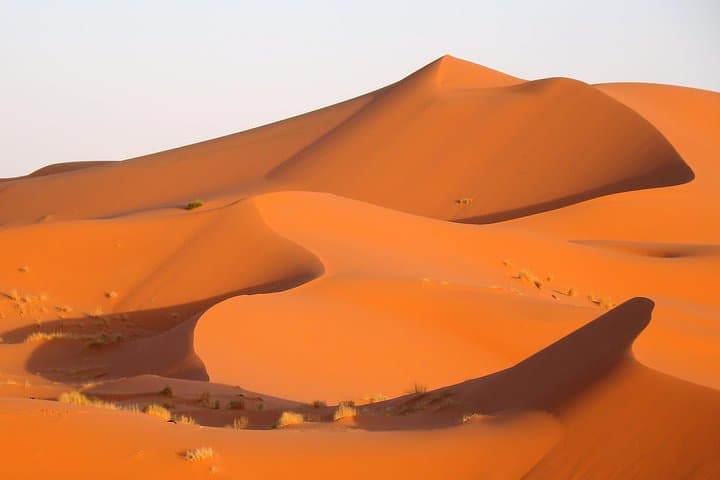
You step out of Marrakech into a wind that tastes of dust and orange blossom, then climb toward the High Atlas where the road tightens and the villages sit like stacked stone. Over the Tizi n’Tichka pass (about 2,260 m) the air thins and the sculpted red earth gives way to wide desert basins that lead to the towering, rippling slopes of Erg Chebbi.
Verified experiences and guided adventures in the surrounding area.
Operated by MAROC TREK · Marrakech, Marrakech-Safi
You step out of Marrakech into a wind that tastes of dust and orange blossom, then climb toward the High Atlas where the road tightens and the villages sit like stacked stone. Over the Tizi n’Tichka pass (about 2,260 m) the air thins and the sculpted red earth gives way to wide desert basins that lead to the towering, rippling slopes of Erg Chebbi.
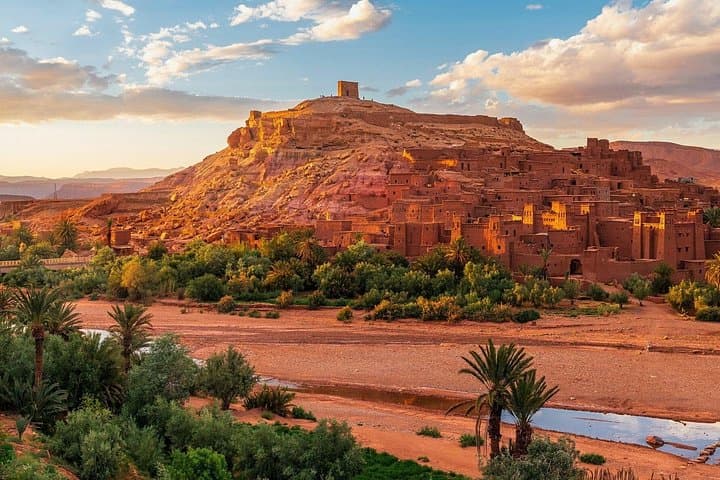
This route threads history and geology: ancient caravan roads, mud-brick ksars such as the UNESCO-listed Aït Ben Haddou, and the folded limestone and sandstone that form the Dadès Gorges. Berber culture is audible in languages and visible in kasbah architecture; local guides share stories of seasonal migrations and salt trade routes that shaped settlements along these corridors.
Expect varied terrain—paved highways between towns, narrow mountain passes with steep drop-offs, and soft sand in Merzouga where dunes can reach 100–150 m in height. Nights alternate between hotels and traditional Berber camps under expansive Saharan skies.
Practical guidance: pack layers for 20–40°C daily swings, bring sun protection and 2–3 liters of water per day, and choose sturdy footwear for rocky trails and walking on uneven sand. Allow time for long drives (Marrakech–Merzouga is roughly 8–10 hours by road with stops), and schedule sunrise or sunset dune walks when temperatures and light are best. Respect fragile desert ecology—avoid trampling vegetation and minimize water waste. With moderate fitness and a sense of adventure, this eight-day loop offers a compact, tangible way to move from bustling markets to star-filled silence.
moderate.
8 days.
Moderate fitness: able to handle several hours of walking on sand or uneven trails and tolerate long vehicle transfers.
Expect several long driving days; Marrakech to Merzouga is roughly 8–10 hours by road with stops, and legs between key sites typically range from 2–6 hours.
You’ll cross mountain passes around 2,200–2,300 m (Tizi n’Tichka); most travelers feel only mild effects, but take it easy if you’re sensitive to altitude.
Sandals are fine around camp and for short walks, but sturdy closed shoes are recommended for gorges, rocky village streets and longer dune treks.
Nights alternate between hotels in towns (Marrakech, Ouarzazate, Merzouga) and traditional Berber desert camps with basic comforts and communal dining under the stars.
The route follows historical caravan and trade corridors; Aït Ben Haddou grew as a fortified caravan stop for north–south trade and later became a film location, earning its UNESCO protection.
The Sahara’s fragile dunes and scarce water require low-impact travel—avoid off-trail driving, pack out waste, and support local guides to boost community-based conservation.
MAROC TREK operates guided outdoor trips and adventures with an emphasis on safety, stewardship, and memorable experiences.
You step out of Marrakech into a wind that tastes of dust and orange blossom, then climb toward the High Atlas where the road tightens and the villages sit like stacked stone. Over the Tizi n’Tichka pass (about 2,260 m) the air thins and the sculpted red earth gives way to wide desert basins that lead to the towering, rippling slopes of Erg Chebbi.
You step out of Marrakech into a wind that tastes of dust and orange blossom, then climb toward the High Atlas where the road tightens and the villages sit like stacked stone. Over the Tizi n’Tichka pass (about 2,260 m) the air thins and the sculpted red earth gives way to wide desert basins that lead to the towering, rippling slopes of Erg Chebbi.
This route threads history and geology: ancient caravan roads, mud-brick ksars such as the UNESCO-listed Aït Ben Haddou, and the folded limestone and sandstone that form the Dadès Gorges. Berber culture is audible in languages and visible in kasbah architecture; local guides share stories of seasonal migrations and salt trade routes that shaped settlements along these corridors.
Expect varied terrain—paved highways between towns, narrow mountain passes with steep drop-offs, and soft sand in Merzouga where dunes can reach 100–150 m in height. Nights alternate between hotels and traditional Berber camps under expansive Saharan skies.
Practical guidance: pack layers for 20–40°C daily swings, bring sun protection and 2–3 liters of water per day, and choose sturdy footwear for rocky trails and walking on uneven sand. Allow time for long drives (Marrakech–Merzouga is roughly 8–10 hours by road with stops), and schedule sunrise or sunset dune walks when temperatures and light are best. Respect fragile desert ecology—avoid trampling vegetation and minimize water waste. With moderate fitness and a sense of adventure, this eight-day loop offers a compact, tangible way to move from bustling markets to star-filled silence.