THE ADVENTURE COLLECTIVE® · Independent discovery and booking for outdoor travel

Leave Marrakech for a full-day private drive through olive groves to Ouzoud, where a cascading 110‑meter waterfall, working watermills and curious Barbary macaques await. This private tour pairs a short, scenic hike and optional boat ride with local lunch and hotel pickup.
Leave Marrakech for a full-day private drive through olive groves to Ouzoud, where a cascading 110‑meter waterfall, working watermills and curious Barbary macaques await. This private tour pairs a short, scenic hike and optional boat ride with local lunch and hotel pickup.
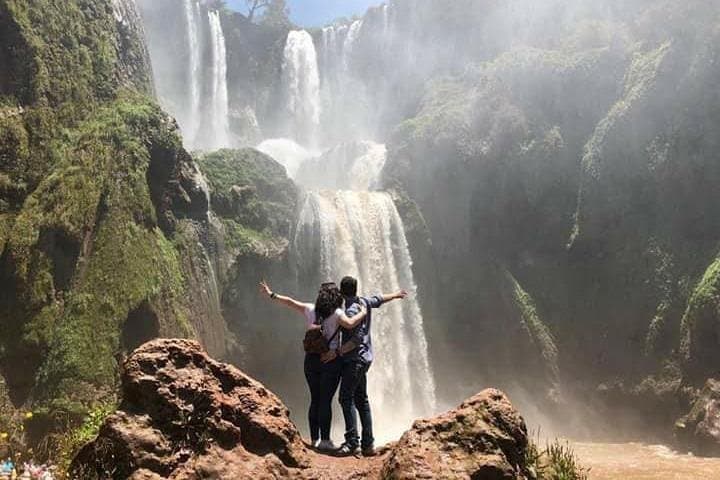
The engine hum of the minivan is a counterpoint to the city’s call to prayer as Marrakech falls behind and the road unwinds through olive-scarred foothills. Light flattens the red riads of the Palmeraie and, two hours later, the air sharpens: you can taste the river. By the time the driver slows for the parking area at Ouzoud, the falls are already announcing themselves—spray like a curtain, a steady roar that dares you to step closer.
Verified experiences and guided adventures in the surrounding area.
Operated by Smart Morocco Tours Excursions · Azilal, Azilal Province
The engine hum of the minivan is a counterpoint to the city’s call to prayer as Marrakech falls behind and the road unwinds through olive-scarred foothills. Light flattens the red riads of the Palmeraie and, two hours later, the air sharpens: you can taste the river. By the time the driver slows for the parking area at Ouzoud, the falls are already announcing themselves—spray like a curtain, a steady roar that dares you to step closer.
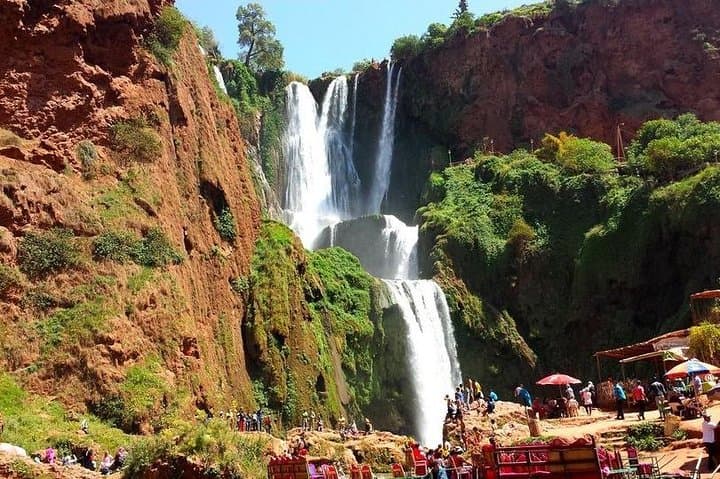
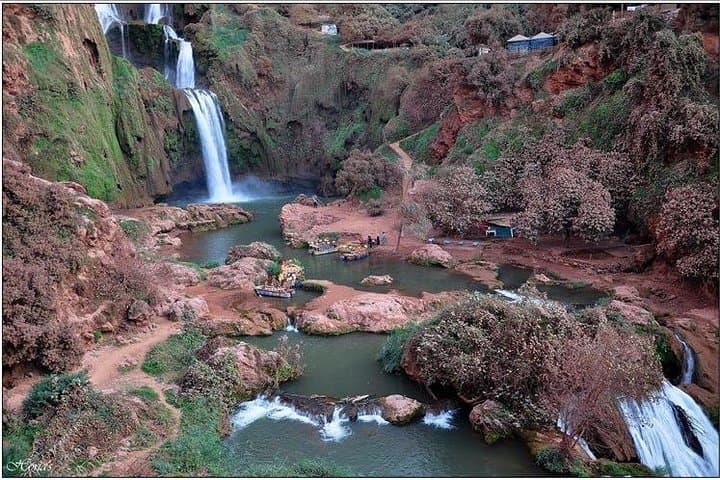
Ouzoud—Ouzud in Berber, meaning "olive"—drops in a series of stepped cascades for roughly 110 meters. The El Abid River slices through a limestone escarpment, creating terraces, plunge pools and channels that once turned dozens of working watermills. Stone mills and their worn channels still punctuate the cliffs; the same current that powers the falls once ground local olives and grain.
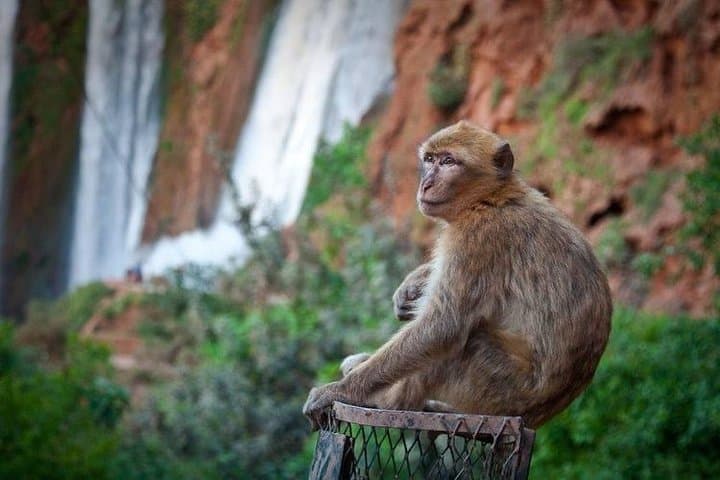
The short loop around the falls is as much cultural terrain as scenic: terraces of olive trees, simple cafés with mint tea, and porous cliffs where Barbary macaques—curious, quick, occasionally bold—inspect backpacks and visitors. Locals here are largely Berber; many run small eateries or drive the wooden boats that push beneath the lower curtain of water after lunch. The region’s geography is a negotiation of uplift and erosion—Atlas thrust up, rivers carving their way down—producing the narrow gorges and layered drops you see today.
Practically, the trip is straightforward. Expect a 150 km drive each way from Marrakech and a total outing of roughly 6–9 hours depending on traffic and how long you linger. The walking loop is short (1–3 km) but includes stepped stone paths, slick rock near the spray and a short, steeper stair descent to lower viewpoints. An optional 10–15 minute boat ride runs under the lower falls for a small extra fee; boats are local, wooden, and steady—but expect to get damp.
Timing matters: arrive in the morning to avoid the heat and crowds, and aim for late afternoon light if you want fewer people and warmer tones for photos. Bring sturdy shoes, sun protection, and cash for lunch, tips and the boat if you want it. Respect wildlife—don’t feed the macaques, secure loose items—and leave no trace: the falls are beautiful but fragile. When you climb back into the van, the valley’s hush follows you, the river’s push replaced by the slow lilt of olive groves rolling past—proof that a daytrip can still feel, in a single long inhale, like a small escape from the city.
moderate.
6–9 hours.
Suitable for travelers in average shape; involves short hikes with some steep steps and uneven terrain.
About 2.5 hours each way (roughly 150 km), depending on traffic; total tour time including stops is typically 6–9 hours.
The walking is short but includes stone steps and uneven sections; it’s moderate and manageable for most travelers with basic mobility.
No—boat rides are optional and paid locally; they’re short, wooden boats that go under the lower curtain of the falls.
Yes—Barbary macaques frequent the area. They’re used to people, so don’t feed them and secure belongings to avoid incidents.
Lunch is typically provided at a local café and may be included depending on the tour operator—confirm at booking; cash is useful for extras.
Morning for cooler temperatures and stronger flows; late afternoon for softer light and fewer crowds.
The falls have long supported small-scale milling and olive processing; traditional watermills along the cliffs show how locals harnessed the river for centuries.
Visit with a leave-no-trace mindset—avoid feeding wildlife and pack out waste; local guides increasingly emphasize waste reduction and responsible interactions with macaques.
Smart Morocco Tours Excursions operates guided outdoor trips and adventures with an emphasis on safety, stewardship, and memorable experiences.
The engine hum of the minivan is a counterpoint to the city’s call to prayer as Marrakech falls behind and the road unwinds through olive-scarred foothills. Light flattens the red riads of the Palmeraie and, two hours later, the air sharpens: you can taste the river. By the time the driver slows for the parking area at Ouzoud, the falls are already announcing themselves—spray like a curtain, a steady roar that dares you to step closer.
The engine hum of the minivan is a counterpoint to the city’s call to prayer as Marrakech falls behind and the road unwinds through olive-scarred foothills. Light flattens the red riads of the Palmeraie and, two hours later, the air sharpens: you can taste the river. By the time the driver slows for the parking area at Ouzoud, the falls are already announcing themselves—spray like a curtain, a steady roar that dares you to step closer.
Ouzoud—Ouzud in Berber, meaning "olive"—drops in a series of stepped cascades for roughly 110 meters. The El Abid River slices through a limestone escarpment, creating terraces, plunge pools and channels that once turned dozens of working watermills. Stone mills and their worn channels still punctuate the cliffs; the same current that powers the falls once ground local olives and grain.
The short loop around the falls is as much cultural terrain as scenic: terraces of olive trees, simple cafés with mint tea, and porous cliffs where Barbary macaques—curious, quick, occasionally bold—inspect backpacks and visitors. Locals here are largely Berber; many run small eateries or drive the wooden boats that push beneath the lower curtain of water after lunch. The region’s geography is a negotiation of uplift and erosion—Atlas thrust up, rivers carving their way down—producing the narrow gorges and layered drops you see today.
Practically, the trip is straightforward. Expect a 150 km drive each way from Marrakech and a total outing of roughly 6–9 hours depending on traffic and how long you linger. The walking loop is short (1–3 km) but includes stepped stone paths, slick rock near the spray and a short, steeper stair descent to lower viewpoints. An optional 10–15 minute boat ride runs under the lower falls for a small extra fee; boats are local, wooden, and steady—but expect to get damp.
Timing matters: arrive in the morning to avoid the heat and crowds, and aim for late afternoon light if you want fewer people and warmer tones for photos. Bring sturdy shoes, sun protection, and cash for lunch, tips and the boat if you want it. Respect wildlife—don’t feed the macaques, secure loose items—and leave no trace: the falls are beautiful but fragile. When you climb back into the van, the valley’s hush follows you, the river’s push replaced by the slow lilt of olive groves rolling past—proof that a daytrip can still feel, in a single long inhale, like a small escape from the city.