THE ADVENTURE COLLECTIVE® · Independent discovery and booking for outdoor travel

A day trip from Marrakech to the Ouzoud Waterfalls delivers a dramatic 110m cascade, walkable trails, and riverside pools framed by café terraces. This full-day small-group tour is ideal for hikers who want geology, wildlife and local flavor in one outing.
A day trip from Marrakech to the Ouzoud Waterfalls delivers a dramatic 110m cascade, walkable trails, and riverside pools framed by café terraces. This full-day small-group tour is ideal for hikers who want geology, wildlife and local flavor in one outing.
A morning in Marrakech begins with the city still rubbing sleep from its eyes; by mid-morning your minivan is threading olive orchards and cedar slopes, the Atlas foothills rising like a promise beyond the windshield. An hour and a half later the road drops away and the canyon opens; water finds the easiest route down, and the Ouzoud Falls announce themselves with a mist that cools the air and an audible insistence that you stop and look.
Verified experiences and guided adventures in the surrounding area.
Operated by Viajes Amazigh Marruecos · Ouzoud, Béni Mellal-Khénifra
A morning in Marrakech begins with the city still rubbing sleep from its eyes; by mid-morning your minivan is threading olive orchards and cedar slopes, the Atlas foothills rising like a promise beyond the windshield. An hour and a half later the road drops away and the canyon opens; water finds the easiest route down, and the Ouzoud Falls announce themselves with a mist that cools the air and an audible insistence that you stop and look.
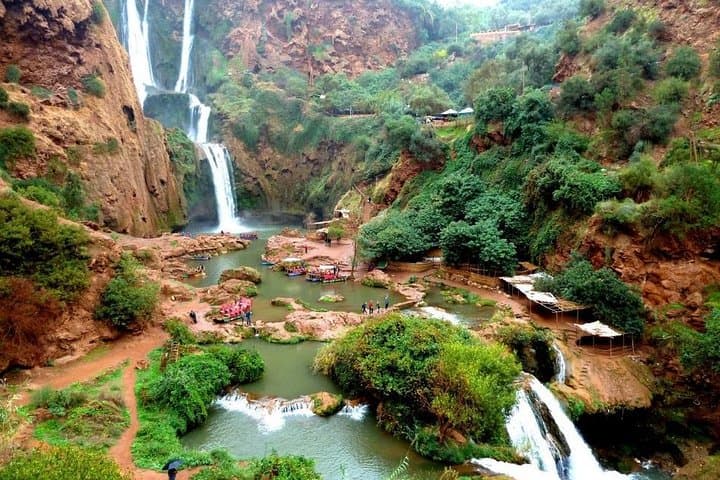
At 110 meters the Ouzoud are the tallest waterfalls in North Africa, an abrupt scar carved through Miocene rock where the El Abid River accelerates from plateau to gorge. The geology reads like a brief history book: layered conglomerates and sandstone, terraces worn smooth by centuries of passing water. Local Berber villages—hands-on farmers and small café owners—have long arranged their lives around the fall line, building panoramic restaurants and terraces that frame the cascade in every postcard-ready direction.
Practical exploration here is rugged but accessible. Trails wind from the upper rim down to the river, switchbacking past olive groves and sudden viewpoints; expect uneven stone steps, short scrambles and river crossings on flat stones or simple footbridges. The route rewards persistent walkers with natural plunge pools—tempting on hot days, less so in early spring when the water bites. Barbary macaques are a regular presence on the cliffs and terraces; they act with bold curiosity but should be observed from a distance and never fed.
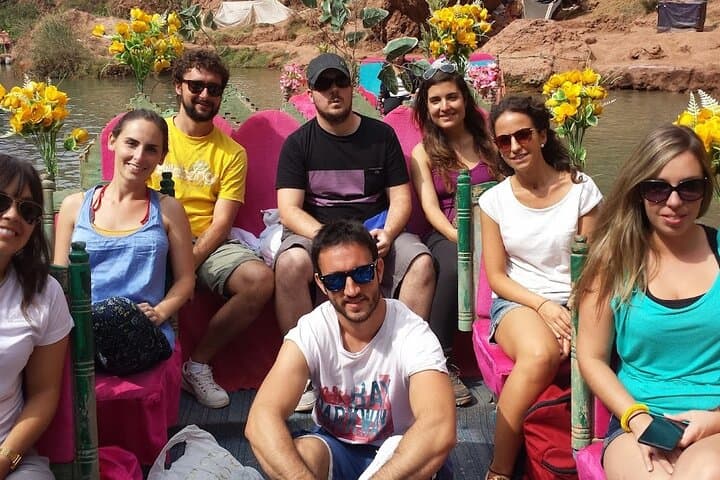
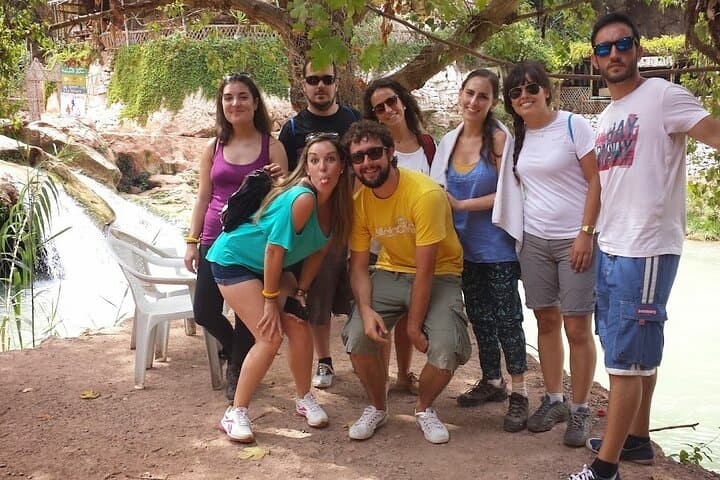
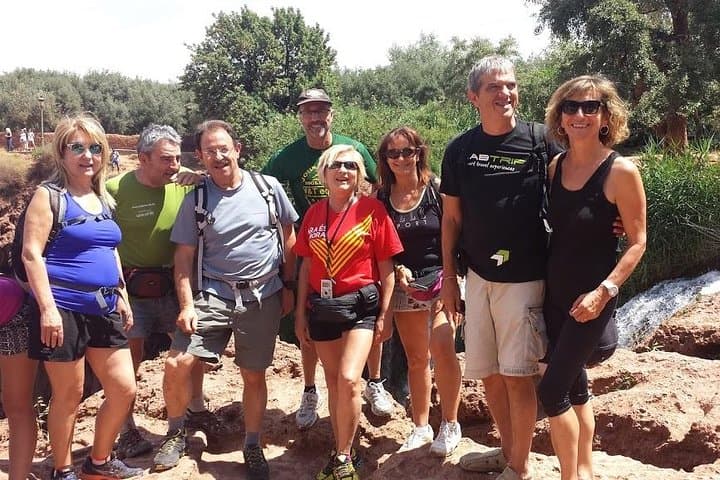
This is a day built for sensory contrasts: the dry, sunbaked road from Marrakech, then cool spray, echoing plumes of mist, and the river’s steady voice daring you to step closer. The tour’s small-group format (up to 15) gives you room to absorb the setting without feeling shepherded; guides typically weave in local color — from the architecture of nearby villages to the seasonal rhythms of olive harvesting.
Timing and logistics matter. Start early to avoid midday heat and to catch softer light for photos from the upper rim. Wear sturdy shoes with good tread; the descent to the base is steep in places and the stones get slick. Bring swimwear if the day is hot and you’re comfortable in natural pools, and pack a small daypack with water, sun protection and a lightweight layer for the breezy viewpoints. Food options run from picnic-ready snacks to communal tagines in cliffside restaurants—both perfectly at home after a few hours on the trail.
For travelers who want a single-day escape from Marrakech that combines geology, culture and a satisfying hike, Ouzoud is a clear choice: dramatic waterfall, convivial village life, and a short, manageable commitment that leaves you back in the city before evening’s call to prayer.
moderate.
9 hours (full-day).
Moderate fitness; able to manage several hours of walking with short steep sections and uneven terrain.
Roughly 2.5–3 hours each way depending on traffic; the tour typically runs about 9 hours total including transfers and time at the falls.
The route is family-friendly but includes steep sections; take it slow, and note the tour’s minimum age and pace expectations.
Yes in warm weather—many visitors swim in shallow plunge pools, but water can be cold and currents vary; use caution and avoid after heavy rains.
Barbary macaques are common near the falls; they are wild and curious—observe without feeding or touching.
Lunch in panoramic restaurants is usually not included; guides will point out local options where you can buy a tagine or bring a picnic.
A wide-angle lens for the falls, a telephoto for wildlife, and a lens cloth for spray; morning and late afternoon light produce the best colors.
The falls and surrounding terraces have long supported agrarian Berber communities; local stonework and irrigation patterns reflect centuries of mountain farming.
Ouzoud’s popularity strains local waste systems—pack out trash, avoid single-use plastics, and hire local guides to support community-managed stewardship.
Viajes Amazigh Marruecos operates guided outdoor trips and adventures with an emphasis on safety, stewardship, and memorable experiences.
A morning in Marrakech begins with the city still rubbing sleep from its eyes; by mid-morning your minivan is threading olive orchards and cedar slopes, the Atlas foothills rising like a promise beyond the windshield. An hour and a half later the road drops away and the canyon opens; water finds the easiest route down, and the Ouzoud Falls announce themselves with a mist that cools the air and an audible insistence that you stop and look.
A morning in Marrakech begins with the city still rubbing sleep from its eyes; by mid-morning your minivan is threading olive orchards and cedar slopes, the Atlas foothills rising like a promise beyond the windshield. An hour and a half later the road drops away and the canyon opens; water finds the easiest route down, and the Ouzoud Falls announce themselves with a mist that cools the air and an audible insistence that you stop and look.
At 110 meters the Ouzoud are the tallest waterfalls in North Africa, an abrupt scar carved through Miocene rock where the El Abid River accelerates from plateau to gorge. The geology reads like a brief history book: layered conglomerates and sandstone, terraces worn smooth by centuries of passing water. Local Berber villages—hands-on farmers and small café owners—have long arranged their lives around the fall line, building panoramic restaurants and terraces that frame the cascade in every postcard-ready direction.
Practical exploration here is rugged but accessible. Trails wind from the upper rim down to the river, switchbacking past olive groves and sudden viewpoints; expect uneven stone steps, short scrambles and river crossings on flat stones or simple footbridges. The route rewards persistent walkers with natural plunge pools—tempting on hot days, less so in early spring when the water bites. Barbary macaques are a regular presence on the cliffs and terraces; they act with bold curiosity but should be observed from a distance and never fed.
This is a day built for sensory contrasts: the dry, sunbaked road from Marrakech, then cool spray, echoing plumes of mist, and the river’s steady voice daring you to step closer. The tour’s small-group format (up to 15) gives you room to absorb the setting without feeling shepherded; guides typically weave in local color — from the architecture of nearby villages to the seasonal rhythms of olive harvesting.
Timing and logistics matter. Start early to avoid midday heat and to catch softer light for photos from the upper rim. Wear sturdy shoes with good tread; the descent to the base is steep in places and the stones get slick. Bring swimwear if the day is hot and you’re comfortable in natural pools, and pack a small daypack with water, sun protection and a lightweight layer for the breezy viewpoints. Food options run from picnic-ready snacks to communal tagines in cliffside restaurants—both perfectly at home after a few hours on the trail.
For travelers who want a single-day escape from Marrakech that combines geology, culture and a satisfying hike, Ouzoud is a clear choice: dramatic waterfall, convivial village life, and a short, manageable commitment that leaves you back in the city before evening’s call to prayer.