THE ADVENTURE COLLECTIVE® · Independent discovery and booking for outdoor travel

A full-day trip from Marrakech that combines a gentle guided hike to the Setti Fatma waterfalls with visits to Berber villages and an argan oil cooperative. Expect riverside lunch, cultural stops, and scenic valley drives.
A full-day trip from Marrakech that combines a gentle guided hike to the Setti Fatma waterfalls with visits to Berber villages and an argan oil cooperative. Expect riverside lunch, cultural stops, and scenic valley drives.
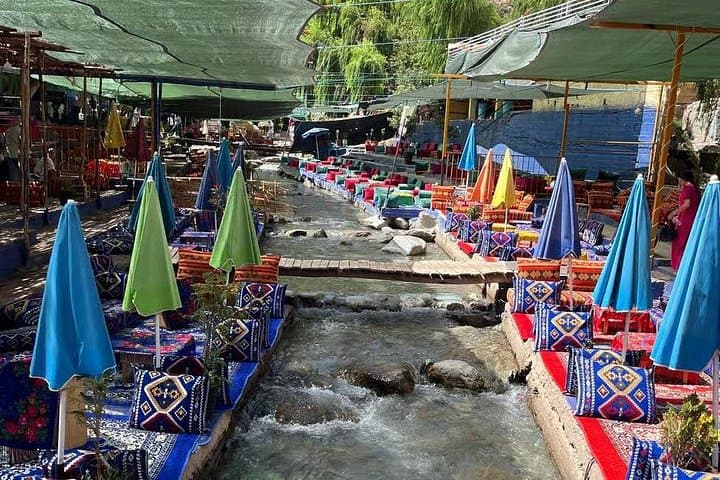
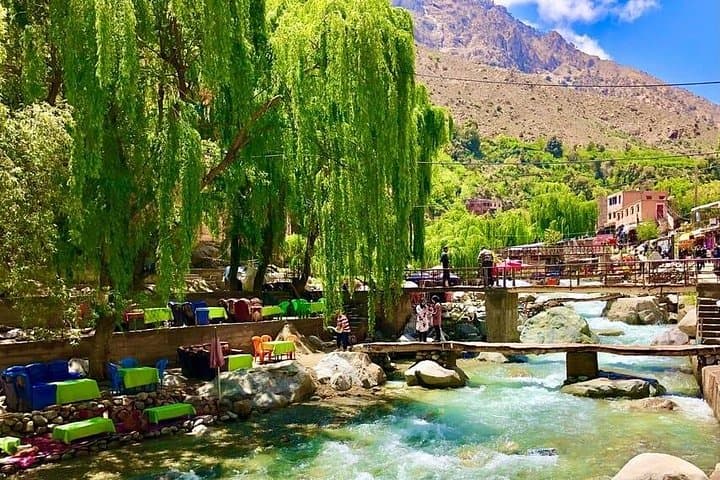
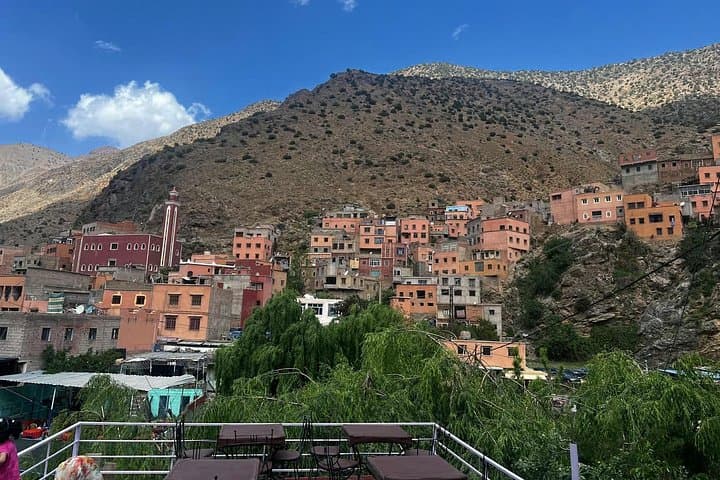
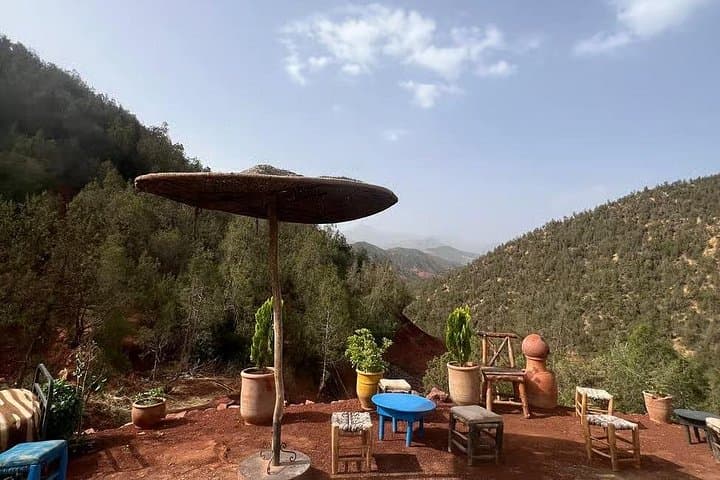
You leave Marrakech behind as the city’s tiled rooftops flatten into olive groves and the road climbs toward the High Atlas. Air-conditioned transport eases the 45–60 minute run; windows frame terraces of fig and almond trees and small, stone-built Berber houses. At the trailhead in Setti Fatma, the river calls—its current daring you downstream—while your guide outlines a gentle hike through riverine oaks and scrub.
Verified experiences and guided adventures in the surrounding area.
Operated by IN MARRAKECH · Setti Fatma, Marrakesh-Safi
You leave Marrakech behind as the city’s tiled rooftops flatten into olive groves and the road climbs toward the High Atlas. Air-conditioned transport eases the 45–60 minute run; windows frame terraces of fig and almond trees and small, stone-built Berber houses. At the trailhead in Setti Fatma, the river calls—its current daring you downstream—while your guide outlines a gentle hike through riverine oaks and scrub.
The Ourika Valley has long been a working landscape: Berber communities farm terraces cut into volcanic slopes, and women’s cooperatives extract argan oil using methods that date back generations. Geologically the valley is shaped by the Atlas range—folded sedimentary rock and volcanic intrusions that create narrow gorges and spring-fed streams. The trail to the Setti Fatma waterfalls follows rocky paths and wooden footbridges, with several short ascents before the cascades reveal themselves in stepped drops.
Expect a 1–2 hour guided walk (round trip) at an easy-to-moderate pace, cultural stops at an argan co-op, and a riverside Moroccan lunch prepared by local hosts. Practical notes: wear grippy shoes for wet rock, carry water and sun protection, and be ready for uneven surfaces and occasional crowds at popular falls.
This day trip blends readable terrain with meaningful cultural contact—simple hiking, vivid scenery, and hands-on encounters that leave a clear sense of place and the people who shape it.
moderate.
7 hours (full-day).
Suitable for travelers with moderate fitness — able to walk 1–2 hours on uneven paths with short uphill sections.
The guided hike portion typically takes 1–2 hours round trip, depending on pace and how many of the cascades you visit.
Yes for most; the hike is gentle but involves uneven ground—children and older travelers should be steady on their feet and able to handle short climbs.
Guides commonly speak English and French; some guides also speak Spanish or German—confirm at booking for specific language needs.
Yes—air-conditioned transport from Marrakech, a riverside Moroccan lunch, and entrance to included stops (like the waterfalls and argan co-op) are part of the tour.
The Ourika Valley has long been inhabited by Amazigh (Berber) communities who developed terraced agriculture and local craft economies; argan and olive products have been staples for centuries.
Visitors should avoid stepping on riparian vegetation and support local cooperatives that reinvest tourism income into community projects and sustainable harvesting practices.
IN MARRAKECH operates guided outdoor trips and adventures with an emphasis on safety, stewardship, and memorable experiences.
You leave Marrakech behind as the city’s tiled rooftops flatten into olive groves and the road climbs toward the High Atlas. Air-conditioned transport eases the 45–60 minute run; windows frame terraces of fig and almond trees and small, stone-built Berber houses. At the trailhead in Setti Fatma, the river calls—its current daring you downstream—while your guide outlines a gentle hike through riverine oaks and scrub.
You leave Marrakech behind as the city’s tiled rooftops flatten into olive groves and the road climbs toward the High Atlas. Air-conditioned transport eases the 45–60 minute run; windows frame terraces of fig and almond trees and small, stone-built Berber houses. At the trailhead in Setti Fatma, the river calls—its current daring you downstream—while your guide outlines a gentle hike through riverine oaks and scrub.
The Ourika Valley has long been a working landscape: Berber communities farm terraces cut into volcanic slopes, and women’s cooperatives extract argan oil using methods that date back generations. Geologically the valley is shaped by the Atlas range—folded sedimentary rock and volcanic intrusions that create narrow gorges and spring-fed streams. The trail to the Setti Fatma waterfalls follows rocky paths and wooden footbridges, with several short ascents before the cascades reveal themselves in stepped drops.
Expect a 1–2 hour guided walk (round trip) at an easy-to-moderate pace, cultural stops at an argan co-op, and a riverside Moroccan lunch prepared by local hosts. Practical notes: wear grippy shoes for wet rock, carry water and sun protection, and be ready for uneven surfaces and occasional crowds at popular falls.
This day trip blends readable terrain with meaningful cultural contact—simple hiking, vivid scenery, and hands-on encounters that leave a clear sense of place and the people who shape it.