THE ADVENTURE COLLECTIVE® · Independent discovery and booking for outdoor travel

Cross the High Atlas, sleep with nomads in caves and tents, and ride camels across Erg Chebbi on a 4-day Moroccan odyssey. Expect long drives, short hikes, authentic hospitality and dramatic desert and canyon landscapes.
Cross the High Atlas, sleep with nomads in caves and tents, and ride camels across Erg Chebbi on a 4-day Moroccan odyssey. Expect long drives, short hikes, authentic hospitality and dramatic desert and canyon landscapes.
The sun is a low coin over the High Atlas as your minivan climbs switchbacks and the air thins to a crisp clarity. Stones redden along the road; women in bright shawls move like punctuation in valley villages. By late afternoon the road opens to the ochre ramparts of Ait Benhaddou, then the dunes of Erg Chebbi appear on the horizon—gold shifting like a living thing that dares you closer.
Verified experiences and guided adventures in the surrounding area.
Operated by Morocco Exposure · Marrakech, Marrakesh-Safi
The sun is a low coin over the High Atlas as your minivan climbs switchbacks and the air thins to a crisp clarity. Stones redden along the road; women in bright shawls move like punctuation in valley villages. By late afternoon the road opens to the ochre ramparts of Ait Benhaddou, then the dunes of Erg Chebbi appear on the horizon—gold shifting like a living thing that dares you closer.
This 4-day route threads Morocco’s geological and cultural seams: the folded granite and volcanic ridges of the High Atlas, the river-carved canyons of Dades and Todra, and the wind-shaped sand seas of the Sahara. The Amazigh (Berber) presence is visible in mud-brick ksars, cave dwellings and the pastoral rhythms of people who have grazed goats and camels here for centuries. Ait Benhaddou’s earthen towers stand as both trade-post relic and film set, while the valley gorges reveal layers of tectonic uplift and long-water erosion.
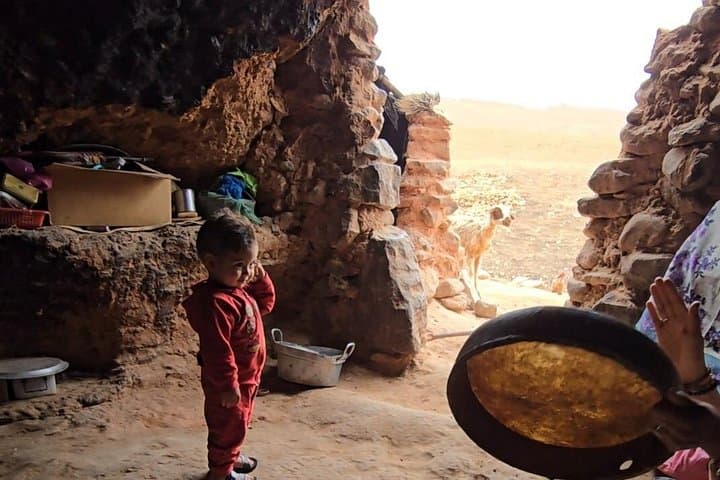
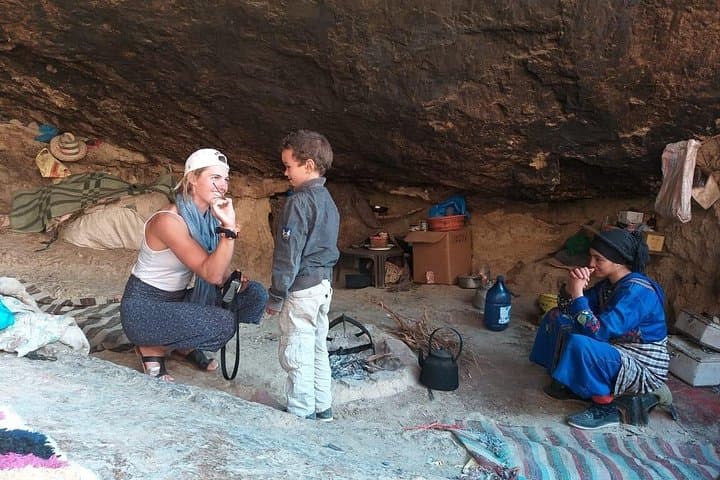
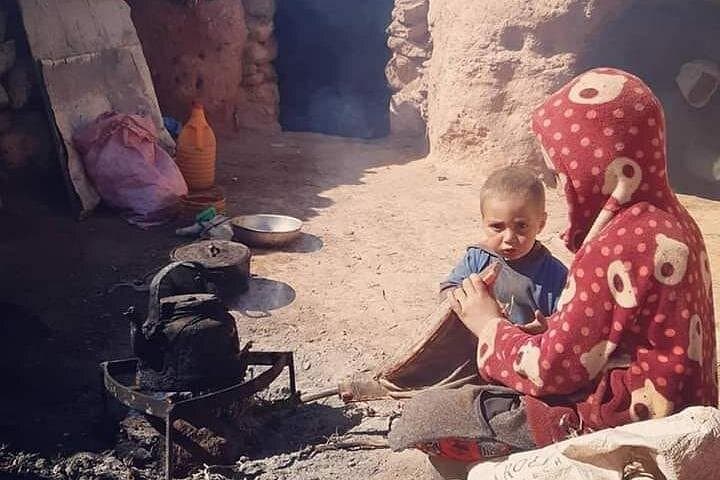
What to expect: long driving days broken by guided walks—short hikes to viewpoints and a 3-hour cultural trek to the “Monkey Fingers” rock formations—plus a camel ride into dunes and authentic nights with nomadic families in tents and caves. Nights can be cold and dusty; mornings deliver clear, wide desert light.
Practical tips: pack sun protection and a warm layer, bring a compact sleeping liner if you’re sensitive to cave dust, and carry refillable water. Respect local customs—ask before photographing people—and allow flexibility for weather or road conditions. With basic fitness and an appetite for field-side culture, this route delivers direct contact with Morocco’s raw landscapes and living traditions.
moderate.
4 days.
Suitable for travelers who can handle several hours of walking over uneven terrain, multi-hour drives, and short camel treks; basic stamina required.
No. Camels are handled by guides who lead the caravan; a short orientation is given and rides are steady, but mounting can be jarring so let guides assist.
Cave accommodations are basic and may be dusty; hosts provide bedding and food, but those with cave or animal allergies should consult the operator in advance.
The itinerary is family-friendly but involves long drives and some uneven walking; consider mobility and tolerance for sand and nighttime cold when traveling with young children or seniors.
Moroccan dirham (MAD) is used locally; carry small bills for tips to guides, drivers and camp hosts—tipping is appreciated and standard for service.
The route crosses ancient trans-Saharan corridors and Amazigh settlements; Ait Benhaddou is a UNESCO site and a former caravan hub tied to the old salt and spice trade.
Water is scarce; stick to paths, pack out trash, and avoid cutting vegetation or removing firewood. Support local guides and family stays to ensure tourism benefits communities.
Morocco Exposure operates guided outdoor trips and adventures with an emphasis on safety, stewardship, and memorable experiences.
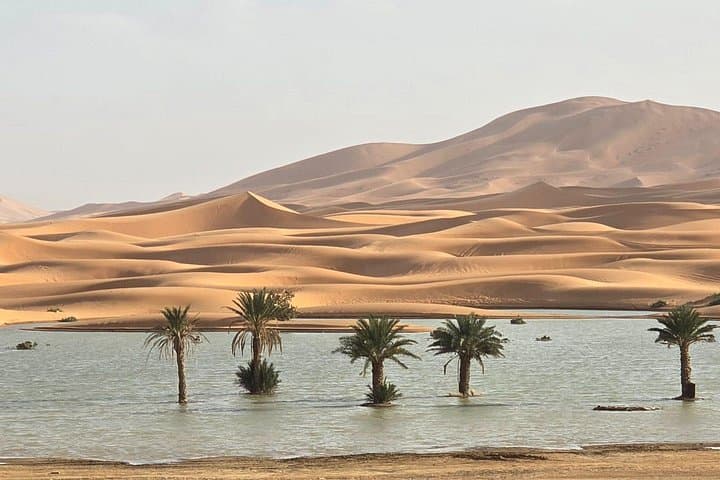
The sun is a low coin over the High Atlas as your minivan climbs switchbacks and the air thins to a crisp clarity. Stones redden along the road; women in bright shawls move like punctuation in valley villages. By late afternoon the road opens to the ochre ramparts of Ait Benhaddou, then the dunes of Erg Chebbi appear on the horizon—gold shifting like a living thing that dares you closer.
The sun is a low coin over the High Atlas as your minivan climbs switchbacks and the air thins to a crisp clarity. Stones redden along the road; women in bright shawls move like punctuation in valley villages. By late afternoon the road opens to the ochre ramparts of Ait Benhaddou, then the dunes of Erg Chebbi appear on the horizon—gold shifting like a living thing that dares you closer.
This 4-day route threads Morocco’s geological and cultural seams: the folded granite and volcanic ridges of the High Atlas, the river-carved canyons of Dades and Todra, and the wind-shaped sand seas of the Sahara. The Amazigh (Berber) presence is visible in mud-brick ksars, cave dwellings and the pastoral rhythms of people who have grazed goats and camels here for centuries. Ait Benhaddou’s earthen towers stand as both trade-post relic and film set, while the valley gorges reveal layers of tectonic uplift and long-water erosion.
What to expect: long driving days broken by guided walks—short hikes to viewpoints and a 3-hour cultural trek to the “Monkey Fingers” rock formations—plus a camel ride into dunes and authentic nights with nomadic families in tents and caves. Nights can be cold and dusty; mornings deliver clear, wide desert light.
Practical tips: pack sun protection and a warm layer, bring a compact sleeping liner if you’re sensitive to cave dust, and carry refillable water. Respect local customs—ask before photographing people—and allow flexibility for weather or road conditions. With basic fitness and an appetite for field-side culture, this route delivers direct contact with Morocco’s raw landscapes and living traditions.