THE ADVENTURE COLLECTIVE® · Independent discovery and booking for outdoor travel

A rapid overland journey from Marrakech to the Erg Chebbi dunes, this two-day expedition pairs High Atlas passes and kasbahs with a sunset camel ride and a night in a luxury desert camp. Expect long driving days, striking geology, and clear desert nights.
A rapid overland journey from Marrakech to the Erg Chebbi dunes, this two-day expedition pairs High Atlas passes and kasbahs with a sunset camel ride and a night in a luxury desert camp. Expect long driving days, striking geology, and clear desert nights.
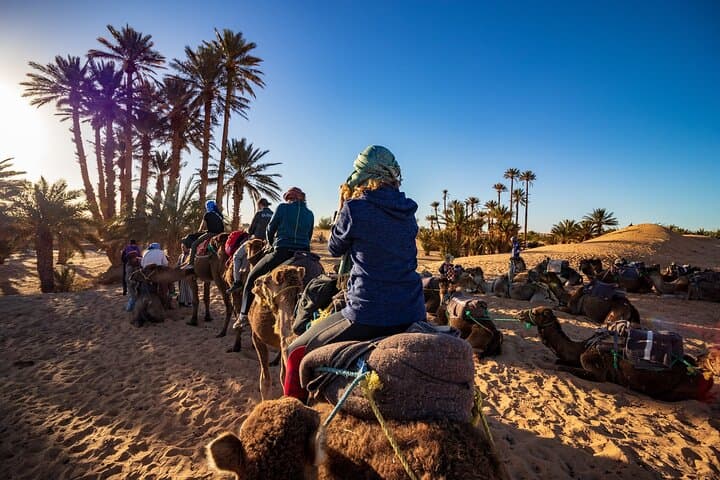
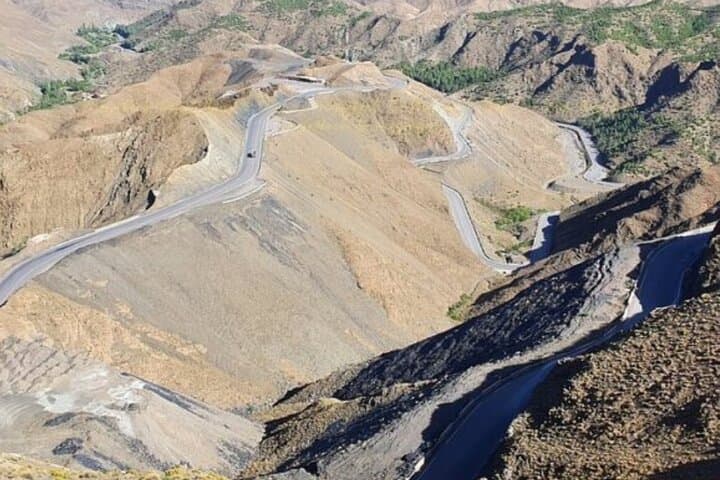
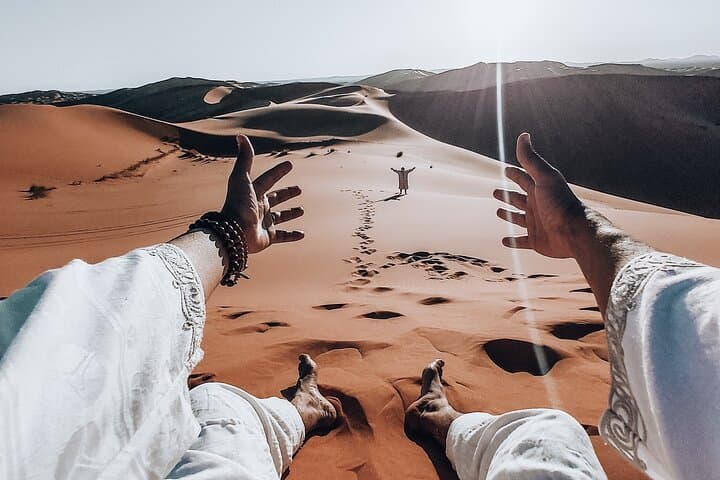
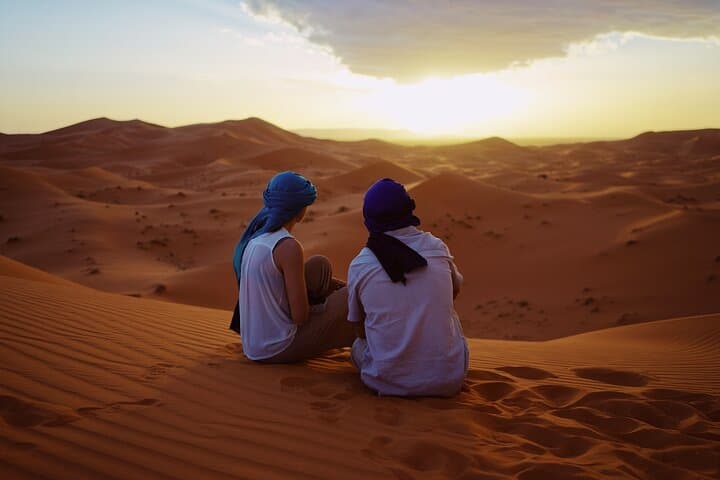
Before dawn you leave Marrakech, the city’s pink walls shrinking behind the vehicle as the High Atlas rises to meet the road. The Tizi n’Tichka pass carves through stony ridges at 2,260 m; wind pushes at the windows and the air thins, then opens into the green spill of the Valley of Roses where fields perfume the breeze. By late afternoon the landscape changes again — ochre plains soften into rippled sand as Erg Chebbi’s dunes begin to breathe. Camels step like careful old sailors; the dunes seem to shift to urge you onward.
Verified experiences and guided adventures in the surrounding area.
Operated by morocco travel holidays · Merzouga, Drâa-Tafilalet
Before dawn you leave Marrakech, the city’s pink walls shrinking behind the vehicle as the High Atlas rises to meet the road. The Tizi n’Tichka pass carves through stony ridges at 2,260 m; wind pushes at the windows and the air thins, then opens into the green spill of the Valley of Roses where fields perfume the breeze. By late afternoon the landscape changes again — ochre plains soften into rippled sand as Erg Chebbi’s dunes begin to breathe. Camels step like careful old sailors; the dunes seem to shift to urge you onward.
This route threads history and geology: kasbahs of mud-brick Ait Ben Haddou mark caravan routes and film history, while the High Atlas is ancient African crust uplifted by tectonic collision. Local culture is visible in roadside Berber villages and the rose-water trade through Boumalne Dades. Nights in a luxury desert camp combine traditional tents with raised mattresses and shared firelight.
Practical guidance: expect long stretches of driving (6–9 hours each day cumulatively), short guided walks, a 1–2 hour sunset camel trek, and basic sandboarding opportunities. Carry layered clothing — desert days are hot, nights can be cold — and hydrate deliberately: the desert’s dry air conceals sweat loss. Plan for early departures and flexible timing for photography and cultural stops. Bring cash for small village purchases and a lightweight daypack for camel rides. With modest fitness and readiness for long road time, this two-day expedition delivers Sahara dunes, mountain passes, and a clear night sky that seems to move on its own timetable.
moderate.
2 days.
Suitable for travelers in average physical condition who can handle long drives, short hikes, and a 1–2 hour camel ride.
Expect long driving segments: roughly 6–9 hours total across the route with stops for Ait Ben Haddou, Valley of Roses, and lunch breaks.
Yes—camel treks are gentle and guided; staff assist mounting and dismounting, and rides typically last 1–2 hours for sunset and dawn views.
Accommodations include a ‘luxury’ desert camp with raised beds and shared facilities and at least one night in a hotel or guesthouse along the route as described.
Generally yes—tour is listed as suitable for all fitness levels; check operator policies for infant seats and child-specific arrangements before booking.
Ait Ben Haddou served as a fortified caravan stop on trans-Saharan trade routes and later as a film location, reflecting both centuries-old trade networks and modern cultural reuse.
Travel through fragile dune and mountain ecosystems requires sticking to established tracks, avoiding campfires off-site, and minimizing plastic waste to protect water-scarce communities and desert habitat.
morocco travel holidays operates guided outdoor trips and adventures with an emphasis on safety, stewardship, and memorable experiences.
Before dawn you leave Marrakech, the city’s pink walls shrinking behind the vehicle as the High Atlas rises to meet the road. The Tizi n’Tichka pass carves through stony ridges at 2,260 m; wind pushes at the windows and the air thins, then opens into the green spill of the Valley of Roses where fields perfume the breeze. By late afternoon the landscape changes again — ochre plains soften into rippled sand as Erg Chebbi’s dunes begin to breathe. Camels step like careful old sailors; the dunes seem to shift to urge you onward.
Before dawn you leave Marrakech, the city’s pink walls shrinking behind the vehicle as the High Atlas rises to meet the road. The Tizi n’Tichka pass carves through stony ridges at 2,260 m; wind pushes at the windows and the air thins, then opens into the green spill of the Valley of Roses where fields perfume the breeze. By late afternoon the landscape changes again — ochre plains soften into rippled sand as Erg Chebbi’s dunes begin to breathe. Camels step like careful old sailors; the dunes seem to shift to urge you onward.
This route threads history and geology: kasbahs of mud-brick Ait Ben Haddou mark caravan routes and film history, while the High Atlas is ancient African crust uplifted by tectonic collision. Local culture is visible in roadside Berber villages and the rose-water trade through Boumalne Dades. Nights in a luxury desert camp combine traditional tents with raised mattresses and shared firelight.
Practical guidance: expect long stretches of driving (6–9 hours each day cumulatively), short guided walks, a 1–2 hour sunset camel trek, and basic sandboarding opportunities. Carry layered clothing — desert days are hot, nights can be cold — and hydrate deliberately: the desert’s dry air conceals sweat loss. Plan for early departures and flexible timing for photography and cultural stops. Bring cash for small village purchases and a lightweight daypack for camel rides. With modest fitness and readiness for long road time, this two-day expedition delivers Sahara dunes, mountain passes, and a clear night sky that seems to move on its own timetable.