
Marrakech to Merzouga 3-Day Sahara Desert Tour — Camels, Kasbahs & Erg Chebbi
Cross the High Atlas and enter Erg Chebbi on a compact three-day circuit from Marrakech. This tour combines iconic kasbahs, dramatic gorges and a camel-backed night in a desert camp beneath clear, unpolluted skies.
An Adventure In Marrakech.
Cross the High Atlas and enter Erg Chebbi on a compact three-day circuit from Marrakech. This tour combines iconic kasbahs, dramatic gorges and a camel-backed night in a desert camp beneath clear, unpolluted skies.
Read the full experience
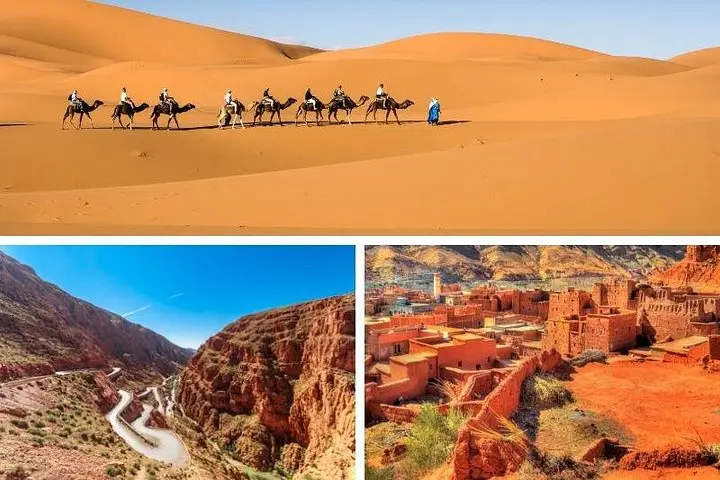
The sun slides low behind the High Atlas as the minibus winds out of Marrakech, and the air changes — cooler mountain pine gives way to dry, scented wind that seems to push travelers toward the dunes. Over three days the route moves from red clay kasbahs to the wide orange ridges of Erg Chebbi; camels carry guests into a star-black sky while the camp’s small fires throw long shadows across rippled sand.
The sun slides low behind the High Atlas as the minibus winds out of Marrakech, and the air changes — cooler mountain pine gives way to dry, scented wind that seems to push travelers toward the dunes. Over three days the route moves from red clay kasbahs to the wide orange ridges of Erg Chebbi; camels carry guests into a star-black sky while the camp’s small fires throw long shadows across rippled sand.
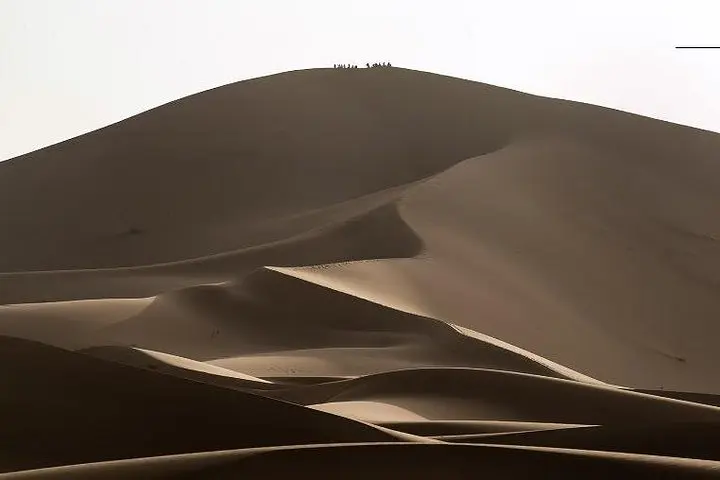
This trip threads through historical trade corridors: Aït Ben Haddou’s mud-brick ksar, Ouarzazate’s film studios and the palm-lined Draa Valley recall caravan routes and film crews alike. Geologically, Erg Chebbi is wind-sculpted Quaternary sand sitting on older alluvial deposits; Todra Gorge cuts a dramatic limestone slot canyon shaped by river incision and tectonics. Culturally the guide’s voice will shift from Arabic to Tamazight terms, and you’ll taste slow-cooked tagine that reflects Berber and Saharan food traditions.
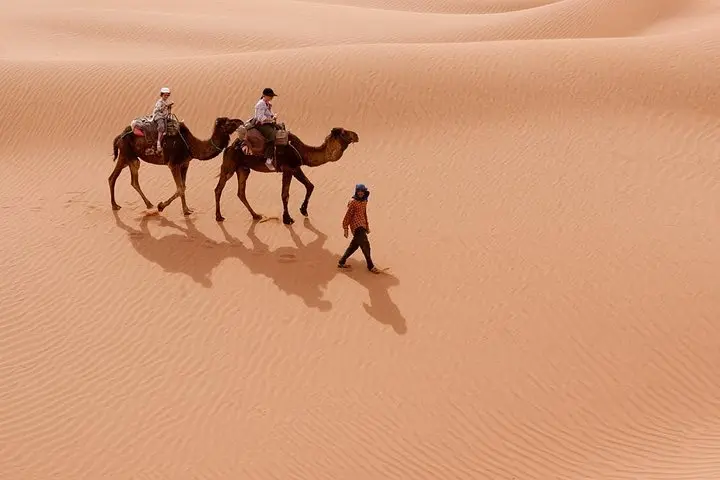
Practical guidance: expect long drives (several 4–6 hour stretches), short walks at sites, and a camel trek of roughly 1–2 hours into camp. Pack sun protection, layered clothes for hot days and cool nights, closed-toe shoes for dunes and rocky gorges, and cash for small purchases. Hydrate regularly and protect electronics from sand. The desert camp offers simple sleeping arrangements — bring any specific medication and a sense of patience for remote logistics. Arrival back in Marrakech is typically late evening on day three. For first-time Sahara visitors this itinerary balances comfort and immersion: plenty of photo stops, local encounters, and a genuine night under the Milky Way.
Frequently asked questions
Most bookings include hotel pickup in Marrakech; confirm your pickup point and time with the operator when you book.
Camel rides to the camp typically last 1–2 hours and cover several kilometers across Erg Chebbi dunes; walking options may be available at stops.
Camps range from basic shared facilities to luxury private tents; this itinerary lists a private room in hotels and an overnight in a luxury camp—confirm tent privacy level when booking.
The tour is family-friendly but not recommended for travelers with serious back or spinal issues due to camel riding and vehicle transfers; check health advisories before booking.
About This Experience
Morocco Tour Marrakech operates guided outdoor trips and adventures with an emphasis on safety, stewardship, and memorable experiences.
Adventure tips
Recommended gear
- Sturdy walking shoes: Protects feet on rocky gorges and provides traction on dune slopes.
- Sun hat & sunscreen: Essential for prolonged daytime exposure in open desert and during stops.
- Light insulating layer (fleece or jacket): Desert nights can drop sharply in temperature, especially spring and autumn.
- Reusable water bottle with filter or purification tablets: Allows reliable hydration when bottled water is limited; reduces plastic waste.
Photos of the experience
Related adventures & guides
Read the full experience
The sun slides low behind the High Atlas as the minibus winds out of Marrakech, and the air changes — cooler mountain pine gives way to dry, scented wind that seems to push travelers toward the dunes. Over three days the route moves from red clay kasbahs to the wide orange ridges of Erg Chebbi; camels carry guests into a star-black sky while the camp’s small fires throw long shadows across rippled sand.
The sun slides low behind the High Atlas as the minibus winds out of Marrakech, and the air changes — cooler mountain pine gives way to dry, scented wind that seems to push travelers toward the dunes. Over three days the route moves from red clay kasbahs to the wide orange ridges of Erg Chebbi; camels carry guests into a star-black sky while the camp’s small fires throw long shadows across rippled sand.
This trip threads through historical trade corridors: Aït Ben Haddou’s mud-brick ksar, Ouarzazate’s film studios and the palm-lined Draa Valley recall caravan routes and film crews alike. Geologically, Erg Chebbi is wind-sculpted Quaternary sand sitting on older alluvial deposits; Todra Gorge cuts a dramatic limestone slot canyon shaped by river incision and tectonics. Culturally the guide’s voice will shift from Arabic to Tamazight terms, and you’ll taste slow-cooked tagine that reflects Berber and Saharan food traditions.
Practical guidance: expect long drives (several 4–6 hour stretches), short walks at sites, and a camel trek of roughly 1–2 hours into camp. Pack sun protection, layered clothes for hot days and cool nights, closed-toe shoes for dunes and rocky gorges, and cash for small purchases. Hydrate regularly and protect electronics from sand. The desert camp offers simple sleeping arrangements — bring any specific medication and a sense of patience for remote logistics. Arrival back in Marrakech is typically late evening on day three. For first-time Sahara visitors this itinerary balances comfort and immersion: plenty of photo stops, local encounters, and a genuine night under the Milky Way.
Make a day of it nearby.
Verified experiences and guided adventures in the surrounding area.