THE ADVENTURE COLLECTIVE® · Independent discovery and booking for outdoor travel

A compact, three-day circuit from Marrakech to the Erg Chebbi dunes that mixes Atlas passes, UNESCO-listed Ait Ben Haddou, Todgha Gorges and a camel-led bivouac under the Saharan stars. Expect long drives, crisp desert nights and hands-on Berber cultural stops.
A compact, three-day circuit from Marrakech to the Erg Chebbi dunes that mixes Atlas passes, UNESCO-listed Ait Ben Haddou, Todgha Gorges and a camel-led bivouac under the Saharan stars. Expect long drives, crisp desert nights and hands-on Berber cultural stops.
You step out of Marrakech before dawn and the city’s noise peels away as the road climbs the High Atlas; sunlight slants across craggy passes and the air cools, pushing the desert into view. Over Tizi n’Tichka the driver points to layered earth and kasbahs clinging to slopes, then the landscape opens into palm groves and the ochre walls of Ait Ben Haddou — a living film set of earthen architecture.
Verified experiences and guided adventures in the surrounding area.
Operated by Morocco Tour Experience · Marrakech, Marrakech-Safi
You step out of Marrakech before dawn and the city’s noise peels away as the road climbs the High Atlas; sunlight slants across craggy passes and the air cools, pushing the desert into view. Over Tizi n’Tichka the driver points to layered earth and kasbahs clinging to slopes, then the landscape opens into palm groves and the ochre walls of Ait Ben Haddou — a living film set of earthen architecture.
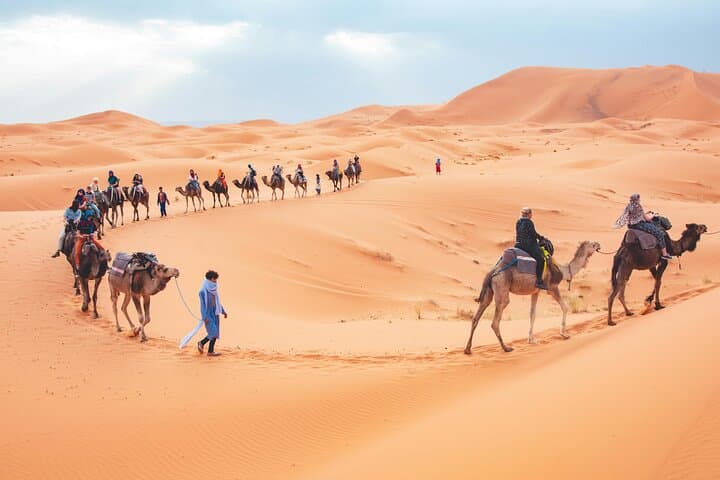
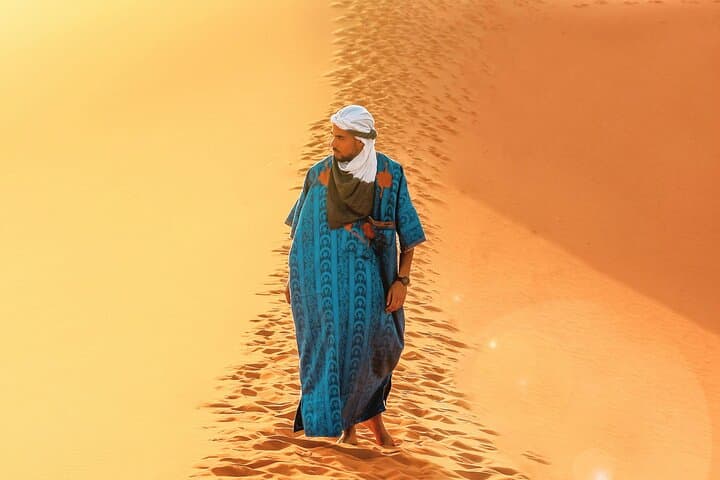
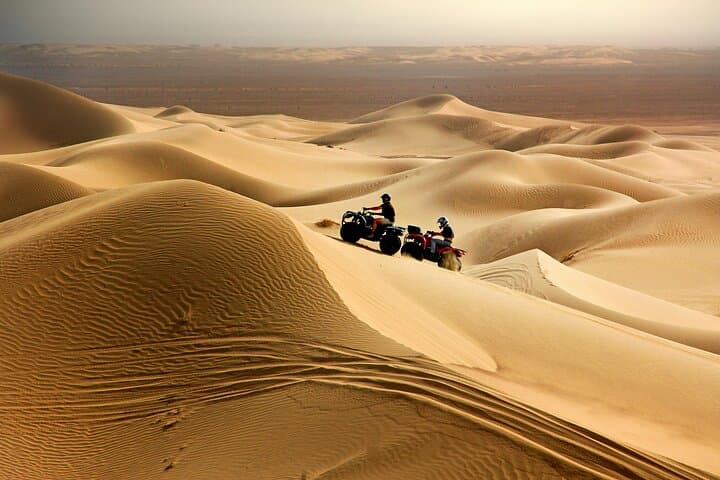
By day two the geology changes again: river-carved gorges at Todgha, fossil-rich plates near Erfoud, and finally the Erg Chebbi dunes where wind shapes ridgelines into soft, shifting sculptures. The trip threads Berber history — caravan routes, kasbah defenses and the rose-growing communities of Kelaat M’Gouna — into each stop; guides share local stories and practical knowledge about nomad life and desert survival.
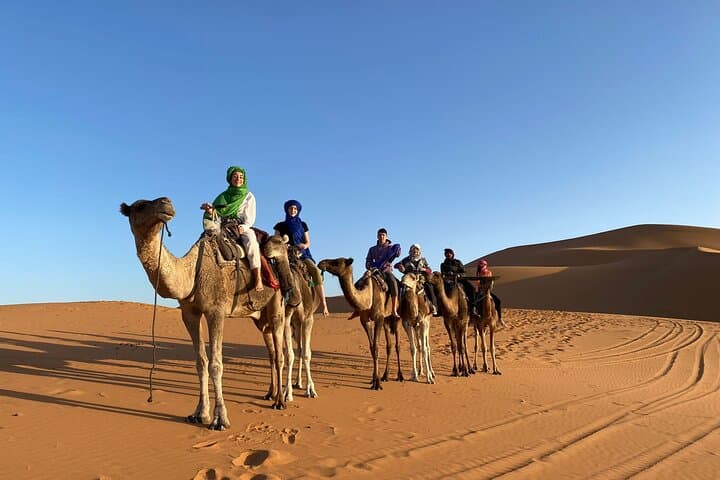
Practical guidance: expect long drives (Marrakech to Merzouga is roughly 9–10 hours total over two days with stops), basic accommodations en route and a regulated bivouac in the dunes. Camel treks are gentle but saddle time and walking on sand require steady ankles. Nights can drop sharply in temperature; layers, a headlamp and water bottle are essentials. Bring cash for small purchases at villages and tips.
This is a compact, well-paced introduction to Morocco’s southern spine — cinematic kasbahs, dramatic gorges and a night under clear desert stars — designed for travelers who want cultural context as much as the raw spectacle of the Sahara.
moderate.
3 days.
Suitable for travelers with basic fitness: can manage camel rides, short walks on uneven sand and several hours in a vehicle.
Expect several multi-hour drives: the route includes mountain passes and stops, with total transit roughly 9–10 hours split across days.
No special skill is required; camels walk slowly. If you have severe back or mobility issues, notify the operator in advance.
Bivouac tents are basic with bedding and shared facilities; meals are typically communal and traditional.
Local guides can usually accommodate common dietary needs if informed at booking, but bring snacks for specific requirements.
This corridor was a crossroads of caravan trade linking Saharan oases to Atlas markets; kasbahs and fortified villages grew from those routes and Berber settlement patterns.
The Erg Chebbi ecosystem is fragile; stay on established camel routes and follow camp guidance to minimize impact and respect water scarcity.
Morocco Tour Experience operates guided outdoor trips and adventures with an emphasis on safety, stewardship, and memorable experiences.
You step out of Marrakech before dawn and the city’s noise peels away as the road climbs the High Atlas; sunlight slants across craggy passes and the air cools, pushing the desert into view. Over Tizi n’Tichka the driver points to layered earth and kasbahs clinging to slopes, then the landscape opens into palm groves and the ochre walls of Ait Ben Haddou — a living film set of earthen architecture.
You step out of Marrakech before dawn and the city’s noise peels away as the road climbs the High Atlas; sunlight slants across craggy passes and the air cools, pushing the desert into view. Over Tizi n’Tichka the driver points to layered earth and kasbahs clinging to slopes, then the landscape opens into palm groves and the ochre walls of Ait Ben Haddou — a living film set of earthen architecture.
By day two the geology changes again: river-carved gorges at Todgha, fossil-rich plates near Erfoud, and finally the Erg Chebbi dunes where wind shapes ridgelines into soft, shifting sculptures. The trip threads Berber history — caravan routes, kasbah defenses and the rose-growing communities of Kelaat M’Gouna — into each stop; guides share local stories and practical knowledge about nomad life and desert survival.
Practical guidance: expect long drives (Marrakech to Merzouga is roughly 9–10 hours total over two days with stops), basic accommodations en route and a regulated bivouac in the dunes. Camel treks are gentle but saddle time and walking on sand require steady ankles. Nights can drop sharply in temperature; layers, a headlamp and water bottle are essentials. Bring cash for small purchases at villages and tips.
This is a compact, well-paced introduction to Morocco’s southern spine — cinematic kasbahs, dramatic gorges and a night under clear desert stars — designed for travelers who want cultural context as much as the raw spectacle of the Sahara.