THE ADVENTURE COLLECTIVE® · Independent discovery and booking for outdoor travel

A three-day loop from Marrakech to Merzouga threads High Atlas passes, kasbah-lined valleys and Erg Chebbi’s towering dunes. Expect long drives, short hikes, a camel trek to a desert bivouac and dramatic sunrise and sunset light.
A three-day loop from Marrakech to Merzouga threads High Atlas passes, kasbah-lined valleys and Erg Chebbi’s towering dunes. Expect long drives, short hikes, a camel trek to a desert bivouac and dramatic sunrise and sunset light.
The minibus eases out of Jamaa el Fna before dawn and the road climbs, folding Marrakech away as the High Atlas pins the sky. Tizi n’Tichka opens a raw, rocky corridor; later the land softens into river valleys and palm oases, and finally the dunes of Erg Chebbi rise like an ocean of sand daring you to step aboard.
Verified experiences and guided adventures in the surrounding area.
Operated by Morocco Best Tour · Merzouga, Drâa-Tafilalet
The minibus eases out of Jamaa el Fna before dawn and the road climbs, folding Marrakech away as the High Atlas pins the sky. Tizi n’Tichka opens a raw, rocky corridor; later the land softens into river valleys and palm oases, and finally the dunes of Erg Chebbi rise like an ocean of sand daring you to step aboard.
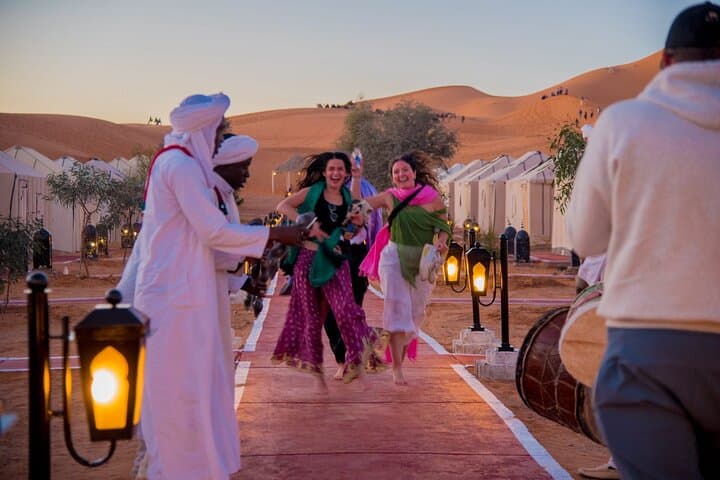
This route stitches centuries of history and geology: Ait Ben Haddou’s earthen kasbahs recall caravan lines and film crews, the Todra and Dades gorges cut red cliffs where water once roared, and Merzouga’s dunes are wind-sculpted ridges of Saharan sand that shift daily. Visit a roses valley in spring to see local production tied to Kelaat M’Gouna’s village economy; in Merzouga the nomad bivouac experience highlights traditional Berber hospitality—dinner around a low table, then a sky thick with stars.
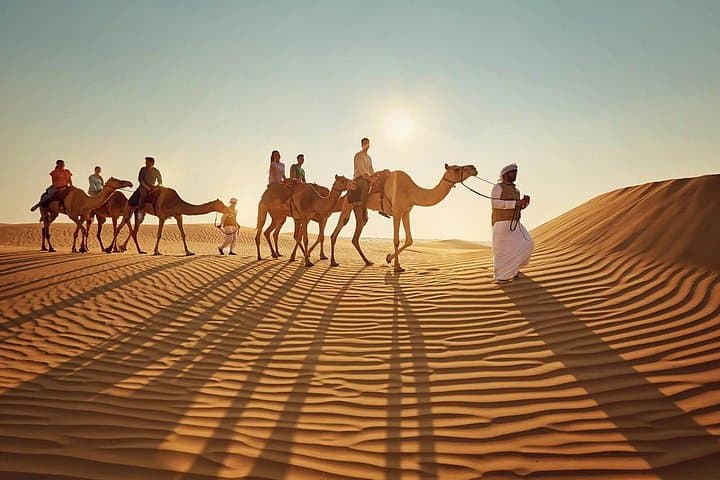
Practical edge: expect long driving days broken by short hikes, photo stops and a late-afternoon camel trek to your desert camp. Temperatures swing—hot afternoons, chilly nights—so bring layered clothing, sun protection and a reliable water bottle. Camel rides are steady but can be bumpy; if you prefer, some operators offer 4x4 transfers into the dunes. Choose a camp option that matches your comfort level; luxury tents add beds and private washrooms, basic bivouacs are communal and rustic.
Timing your arrival for sunset and an early-morning dune walk rewards you with the richest colors. Plan for dust, respect fragile desert vegetation, and carry cash for small village purchases and tipping.
moderate.
3 days.
Light to moderate—suitable for travelers who can sit through long drives, walk short dunes and manage basic camping conditions.
The camel ride is low-intensity: you sit while the camel stands and walks; expect 30–90 minutes of gentle motion and occasional steep mounts/dismounts.
Yes—many operators offer luxury tent upgrades with mattresses, linens and private facilities; request when booking to secure availability.
Generally yes—vehicles and accommodations accommodate varied ages, but consider motion comfort for long drives and camel rides for very young or mobility-limited travelers.
Carry Moroccan dirham for village purchases and tips; tipping drivers, guides and camp staff is customary—small amounts per person are appropriate.
The caravan routes that crossed this region linked Saharan trade to Moroccan cities; Ait Ben Haddou served as a key fortified stop on those lines.
Travelers should stick to marked paths and dune edges to avoid trampling rare desert plants, and carry out any non-biodegradable trash to protect local ecosystems.
Morocco Best Tour operates guided outdoor trips and adventures with an emphasis on safety, stewardship, and memorable experiences.
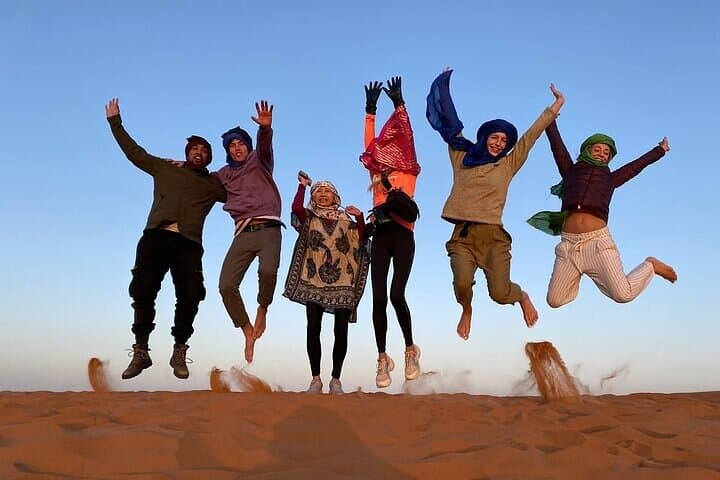
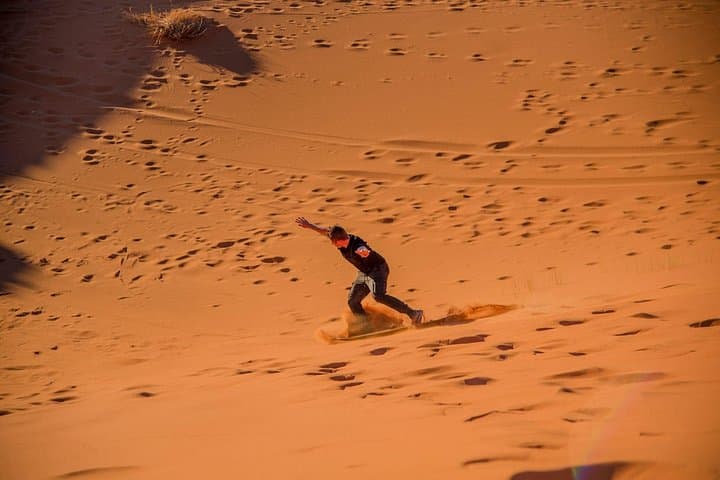
The minibus eases out of Jamaa el Fna before dawn and the road climbs, folding Marrakech away as the High Atlas pins the sky. Tizi n’Tichka opens a raw, rocky corridor; later the land softens into river valleys and palm oases, and finally the dunes of Erg Chebbi rise like an ocean of sand daring you to step aboard.
The minibus eases out of Jamaa el Fna before dawn and the road climbs, folding Marrakech away as the High Atlas pins the sky. Tizi n’Tichka opens a raw, rocky corridor; later the land softens into river valleys and palm oases, and finally the dunes of Erg Chebbi rise like an ocean of sand daring you to step aboard.
This route stitches centuries of history and geology: Ait Ben Haddou’s earthen kasbahs recall caravan lines and film crews, the Todra and Dades gorges cut red cliffs where water once roared, and Merzouga’s dunes are wind-sculpted ridges of Saharan sand that shift daily. Visit a roses valley in spring to see local production tied to Kelaat M’Gouna’s village economy; in Merzouga the nomad bivouac experience highlights traditional Berber hospitality—dinner around a low table, then a sky thick with stars.
Practical edge: expect long driving days broken by short hikes, photo stops and a late-afternoon camel trek to your desert camp. Temperatures swing—hot afternoons, chilly nights—so bring layered clothing, sun protection and a reliable water bottle. Camel rides are steady but can be bumpy; if you prefer, some operators offer 4x4 transfers into the dunes. Choose a camp option that matches your comfort level; luxury tents add beds and private washrooms, basic bivouacs are communal and rustic.
Timing your arrival for sunset and an early-morning dune walk rewards you with the richest colors. Plan for dust, respect fragile desert vegetation, and carry cash for small village purchases and tipping.