THE ADVENTURE COLLECTIVE® · Independent discovery and booking for outdoor travel

Three days from Marrakech to the Erg Chebbi dunes takes you through High Atlas passes, UNESCO kasbahs and the cavernous Todgha and Dades gorges before a sunset camel ride and a night under Saharan stars. Practical, cultural, and geological highlights guide your planning.
Three days from Marrakech to the Erg Chebbi dunes takes you through High Atlas passes, UNESCO kasbahs and the cavernous Todgha and Dades gorges before a sunset camel ride and a night under Saharan stars. Practical, cultural, and geological highlights guide your planning.
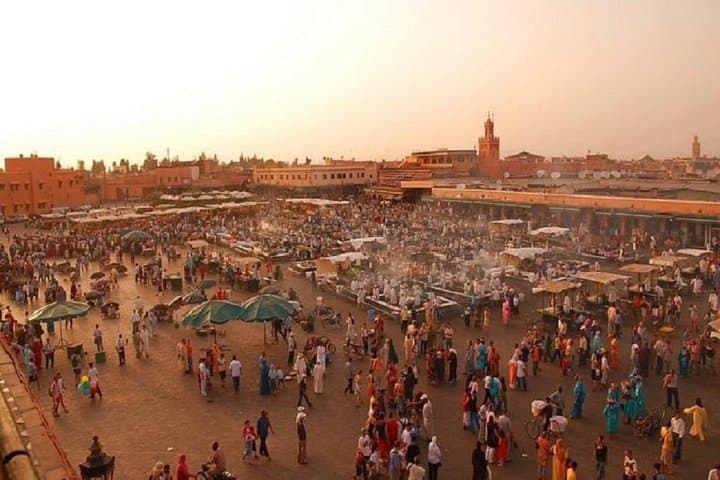
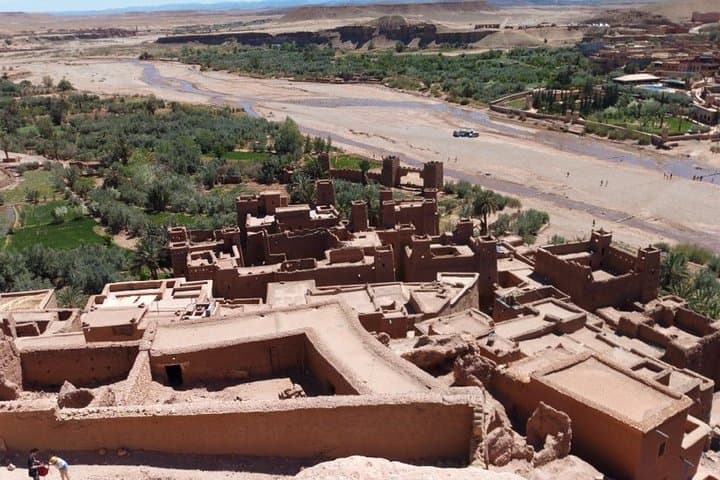
You step out of Marrakech’s ochre heat into a ribbon of road that climbs the High Atlas, the engine humming as the mountains push and peel away. By late afternoon the kasbahs of Ait Ben Haddou stand like stacked adobe pages; later the Rose Valley scents the air before the landscape opens into the long, rippled seas of Erg Chebbi.
Verified experiences and guided adventures in the surrounding area.
Operated by Morocco Tours · Marrakech, Marrakech-Safi
You step out of Marrakech’s ochre heat into a ribbon of road that climbs the High Atlas, the engine humming as the mountains push and peel away. By late afternoon the kasbahs of Ait Ben Haddou stand like stacked adobe pages; later the Rose Valley scents the air before the landscape opens into the long, rippled seas of Erg Chebbi.
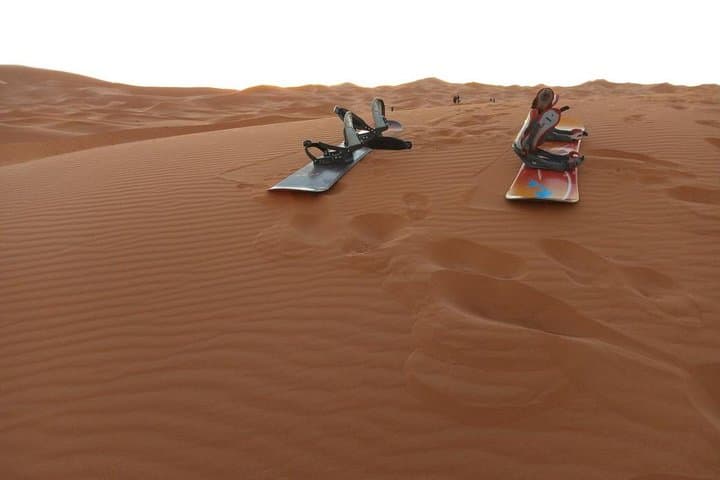
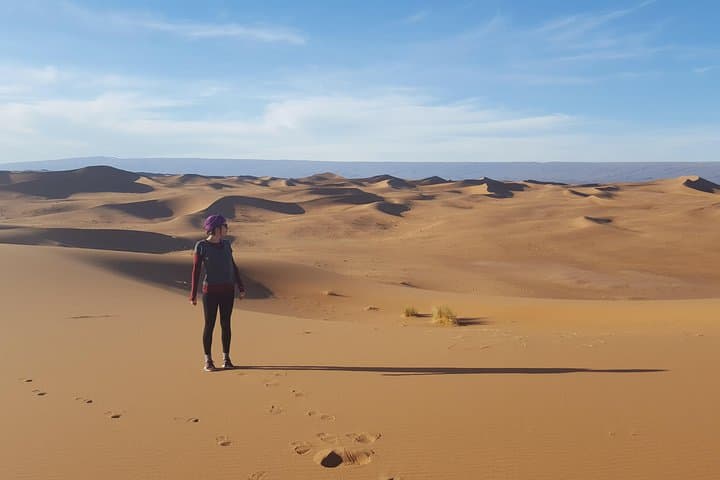
This route threads history and geology: ancient caravan corridors, ksars of mud brick, and the Sahara’s wind-sculpted dunes of sand that shift with each season. The Todgha and Dades gorges cut dramatic red and limestone walls hundreds of meters high—favorites for climbers and photographers—while Merzouga and nearby Erfoud are known for fossil-rich beds and traditional date markets.
Culturally the trip moves between Berber villages and small cooperatives where argan and rose products are produced; evenings in a jaima (traditional tent) include mint tea and local music that anchor the long, star-filled nights.
Practical guidance: prepare for long vehicle transfers—expect multiple 4–6 hour drives—short canyon walks and a camel trek into the dunes timed for sunset and sunrise. Bring layered clothing (desert nights are cold), reliable footwear for rocky gorges, sun protection, and a refillable water bottle. Hydrate before desert legs and plan arrival to Merzouga with daylight to meet your camel handler. If you’re sensitive to motion, choose a seat toward the front of the minivan; if you want to sleep under stars, book a private jaima. The desert demands respect—leave no trace and follow local guide instructions for a safe, memorable crossing between city and sand.
moderate.
3 days.
Moderate fitness: able to handle long vehicle transfers, short hikes in gorges, and easy camel treks.
Expect several long transfers—roughly 10–12 hours total driving each way broken over the route, with stops at sights like Ait Ben Haddou, Dades and Todgha gorges.
Camel rides are generally accessible but involve mounting from a low seat and some swaying; contact the operator about alternatives if mobility is limited.
You’ll stay in local hotels and a traditional jaima (desert camp) with basic amenities; private tents often include mattresses and shared or private wash options depending on booking.
Yes—small-group and private options are common; guides are local and experienced, but standard precautions and travel insurance are recommended.
The route follows former trans-Saharan caravan corridors and passes sites like Ait Ben Haddou, a ksar rebuilt and fortified over centuries and listed as UNESCO World Heritage.
Travelers should minimize water use, avoid disturbing fragile dune vegetation and historic structures, and support local cooperatives that use sustainable harvesting methods.
Morocco Tours operates guided outdoor trips and adventures with an emphasis on safety, stewardship, and memorable experiences.
You step out of Marrakech’s ochre heat into a ribbon of road that climbs the High Atlas, the engine humming as the mountains push and peel away. By late afternoon the kasbahs of Ait Ben Haddou stand like stacked adobe pages; later the Rose Valley scents the air before the landscape opens into the long, rippled seas of Erg Chebbi.
You step out of Marrakech’s ochre heat into a ribbon of road that climbs the High Atlas, the engine humming as the mountains push and peel away. By late afternoon the kasbahs of Ait Ben Haddou stand like stacked adobe pages; later the Rose Valley scents the air before the landscape opens into the long, rippled seas of Erg Chebbi.
This route threads history and geology: ancient caravan corridors, ksars of mud brick, and the Sahara’s wind-sculpted dunes of sand that shift with each season. The Todgha and Dades gorges cut dramatic red and limestone walls hundreds of meters high—favorites for climbers and photographers—while Merzouga and nearby Erfoud are known for fossil-rich beds and traditional date markets.
Culturally the trip moves between Berber villages and small cooperatives where argan and rose products are produced; evenings in a jaima (traditional tent) include mint tea and local music that anchor the long, star-filled nights.
Practical guidance: prepare for long vehicle transfers—expect multiple 4–6 hour drives—short canyon walks and a camel trek into the dunes timed for sunset and sunrise. Bring layered clothing (desert nights are cold), reliable footwear for rocky gorges, sun protection, and a refillable water bottle. Hydrate before desert legs and plan arrival to Merzouga with daylight to meet your camel handler. If you’re sensitive to motion, choose a seat toward the front of the minivan; if you want to sleep under stars, book a private jaima. The desert demands respect—leave no trace and follow local guide instructions for a safe, memorable crossing between city and sand.