THE ADVENTURE COLLECTIVE® · Independent discovery and booking for outdoor travel

Cross the High Atlas, stand in Todgha’s limestone walls, and ride camels into Erg Chebbi on a compact 3-day loop. This trip mixes UNESCO kasbahs, dramatic gorges, and a starry bivouac with practical stops and comfortable riad nights.
Cross the High Atlas, stand in Todgha’s limestone walls, and ride camels into Erg Chebbi on a compact 3-day loop. This trip mixes UNESCO kasbahs, dramatic gorges, and a starry bivouac with practical stops and comfortable riad nights.
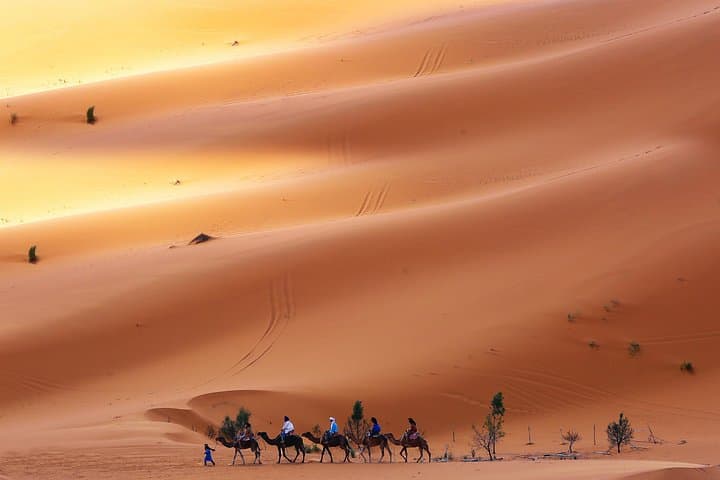
A pre-dawn road winds up over the High Atlas at Tichka Pass, and the air sharpens as Marrakech shrinks behind you. By mid-day the landscape changes from terraced olive slopes to ochre kasbahs and palm-lined valleys; by evening the dunes of Erg Chebbi throw long, liquid shadows that invite you to climb.
Verified experiences and guided adventures in the surrounding area.
Operated by Easy Sahara · Merzouga, Drâa-Tafilalet
A pre-dawn road winds up over the High Atlas at Tichka Pass, and the air sharpens as Marrakech shrinks behind you. By mid-day the landscape changes from terraced olive slopes to ochre kasbahs and palm-lined valleys; by evening the dunes of Erg Chebbi throw long, liquid shadows that invite you to climb.
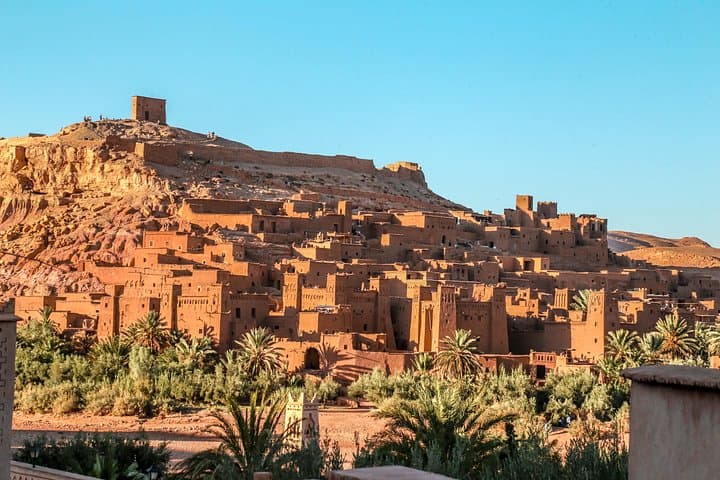
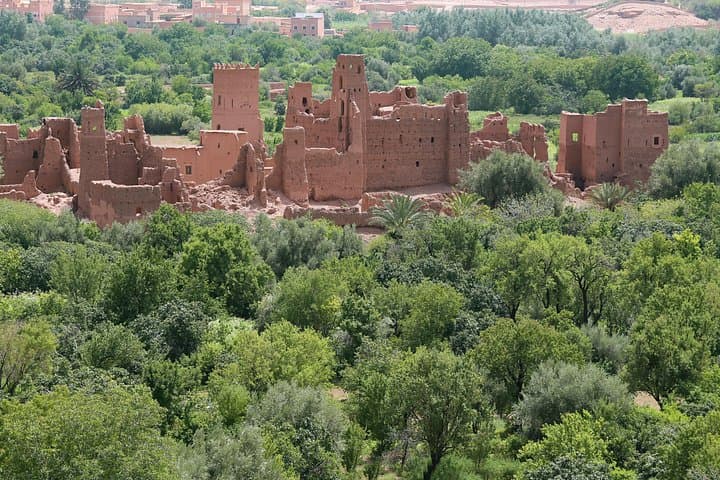
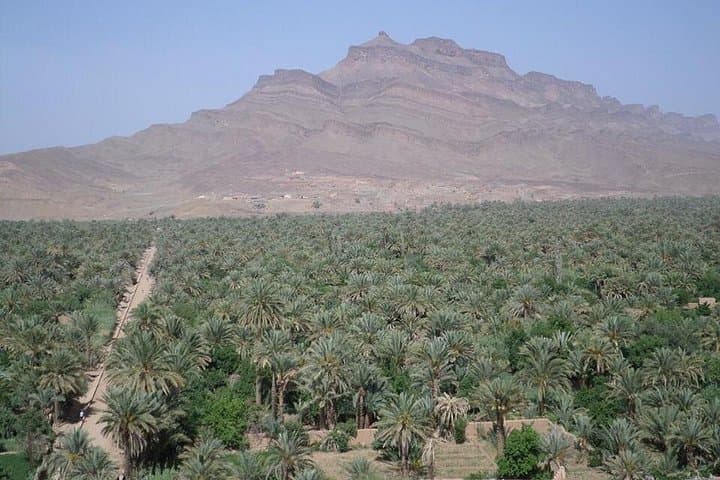
This three-day loop traces Morocco’s geography and history: the fortified ksar of Ait Ben Haddou (UNESCO) recalls caravan routes and movie crews, the Dades and Todgha gorges reveal Jurassic limestone carved by ancient rivers, and the Draa Valley’s palm oases speak to irrigated agriculture sustained for centuries. Local Berber and Amazigh culture is visible in kasbah architecture, souk stalls, and the rhythms of campfire music at the bivouac.
Expect practical variety—mountain passes, narrow gorges, palm groves, and soft sand. Key moments: a guided walk through Todgha’s slot canyons, a late-afternoon dromedary ride onto Erg Chebbi, and a night under canvas with Tuareg-style music. Wildlife is sparse but present—desert larks and nocturnal foxes may appear around dawn or dusk.
Plan for big diurnal swings: hot sun on the road, cold nights in a tent. Bring layered clothing, sun protection, and sturdy footwear for rock and sand. Hydrate frequently and budget daylight hours for photo stops and short walks. If you want quieter dunes, aim for sunrise or the blue hour after sunset—the desert’s scale changes fast and rewards early risers.
moderate.
3 days (approx. 72 hours).
Suitable for people in average physical condition comfortable with several hours of walking, short hikes, and a camel ride.
Yes—this private tour typically includes hotel pickup in Marrakech; confirm your exact pickup point when booking.
Nights include a riad or local hotel in the Dades valley and an equipped tent bivouac in Erg Chebbi with shared facilities and a traditional dinner.
Camel rides are gentle but not recommended for travelers with serious heart or mobility issues; small children should be supervised—ask about alternatives if needed.
Expect short guided walks in gorges and villages (30–60 minutes) plus easy movement on sand and around camp; no technical climbing required.
The route follows ancient trans-Saharan corridors; Ait Ben Haddou grew as a fortified caravan stop and later drew filmmakers to its earthen architecture.
Dune ecosystems are fragile—avoid driving on dunes, use established camel routes, and take waste out of the desert to minimize impact.
Easy Sahara operates guided outdoor trips and adventures with an emphasis on safety, stewardship, and memorable experiences.
A pre-dawn road winds up over the High Atlas at Tichka Pass, and the air sharpens as Marrakech shrinks behind you. By mid-day the landscape changes from terraced olive slopes to ochre kasbahs and palm-lined valleys; by evening the dunes of Erg Chebbi throw long, liquid shadows that invite you to climb.
A pre-dawn road winds up over the High Atlas at Tichka Pass, and the air sharpens as Marrakech shrinks behind you. By mid-day the landscape changes from terraced olive slopes to ochre kasbahs and palm-lined valleys; by evening the dunes of Erg Chebbi throw long, liquid shadows that invite you to climb.
This three-day loop traces Morocco’s geography and history: the fortified ksar of Ait Ben Haddou (UNESCO) recalls caravan routes and movie crews, the Dades and Todgha gorges reveal Jurassic limestone carved by ancient rivers, and the Draa Valley’s palm oases speak to irrigated agriculture sustained for centuries. Local Berber and Amazigh culture is visible in kasbah architecture, souk stalls, and the rhythms of campfire music at the bivouac.
Expect practical variety—mountain passes, narrow gorges, palm groves, and soft sand. Key moments: a guided walk through Todgha’s slot canyons, a late-afternoon dromedary ride onto Erg Chebbi, and a night under canvas with Tuareg-style music. Wildlife is sparse but present—desert larks and nocturnal foxes may appear around dawn or dusk.
Plan for big diurnal swings: hot sun on the road, cold nights in a tent. Bring layered clothing, sun protection, and sturdy footwear for rock and sand. Hydrate frequently and budget daylight hours for photo stops and short walks. If you want quieter dunes, aim for sunrise or the blue hour after sunset—the desert’s scale changes fast and rewards early risers.