THE ADVENTURE COLLECTIVE® · Independent discovery and booking for outdoor travel

Drive from Marrakech to Fes through high Atlas passes, ancient kasbahs and the sweeping dunes of Merzouga. This 3-day trip combines long scenic drives with a sunset camel ride and an overnight nomad camp in the Sahara.
Drive from Marrakech to Fes through high Atlas passes, ancient kasbahs and the sweeping dunes of Merzouga. This 3-day trip combines long scenic drives with a sunset camel ride and an overnight nomad camp in the Sahara.
The engine hums as Marrakech recedes and the road climbs the Tizi n’Tichka pass, the air sharpening with altitude before the desert opens up like a living map. By late afternoon the ochre walls of Ait Ben Haddou appear, stacked adobe like a fortress of old trade routes, and the landscape eases from high Atlas rock to the soft, wind-sculpted ripples of Erg Chebbi.
Verified experiences and guided adventures in the surrounding area.
Operated by Morocco Upclose · Merzouga, Drâa-Tafilalet
The engine hums as Marrakech recedes and the road climbs the Tizi n’Tichka pass, the air sharpening with altitude before the desert opens up like a living map. By late afternoon the ochre walls of Ait Ben Haddou appear, stacked adobe like a fortress of old trade routes, and the landscape eases from high Atlas rock to the soft, wind-sculpted ripples of Erg Chebbi.
This corridor links centuries of history: caravan trails that ferried salt and dates, kasbahs that served as roadside strongholds, and nomadic families who still guide camel caravans at dusk. Geology here shifts fast — granite peaks at roughly 2,260 m on the pass give way to limestone gorges at Todgha and then to wind-blown sand seas at Merzouga. Local Berber culture is palpable in village markets, kasbah architecture, and the campfire rhythms of the desert night.
Expect three days of long scenic driving (roughly 530 km between Marrakech and Fes), a guided walk through Ait Ben Haddou, a stop at Todgha Gorge’s limestone cliffs, and a sunset camel ride across dunes followed by an overnight in a nomad-style desert camp. Temperatures swing widely; nights in the desert can be cold even after hot daytime hours. Bring layered clothing, sun protection, and a willingness to sit through several hours on mountain roads to reach the remote highlights.
Practical: schedule sunrise or sunset dune time for best light, carry at least 2–3 liters of water per day, and pack cash for small purchases and tips. The route rewards patience — dramatic vistas and tactile desert light replace the rush of a direct transfer.
easy.
3 days (72 hours).
Appropriate for travelers who can tolerate several hours seated in a vehicle, short walks on sand, and a camel ride.
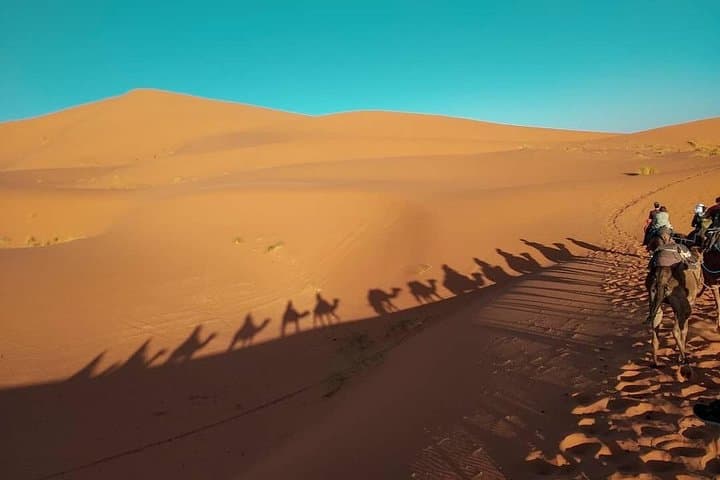
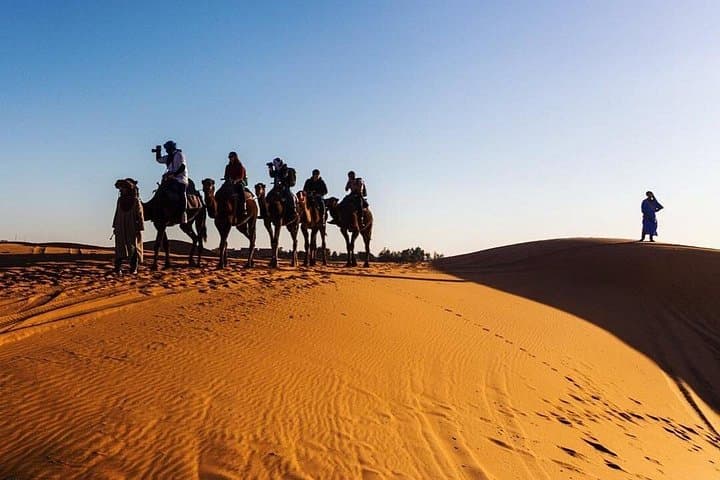
The typical camel trek included is about one hour for sunset, with an option to return by camel at sunrise the next morning.
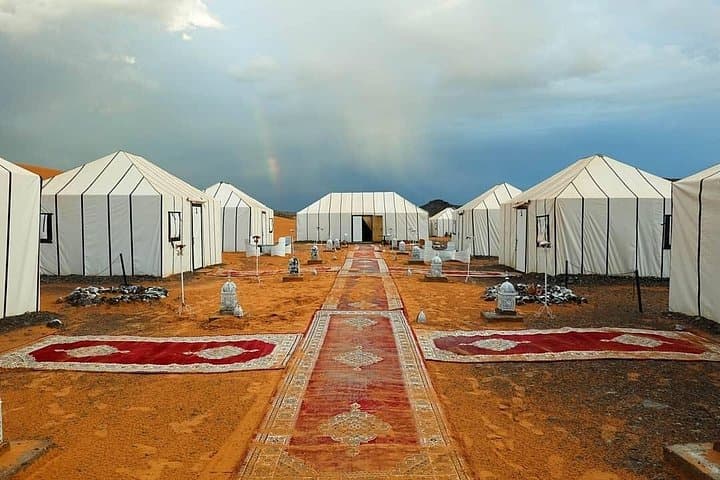
Yes — this tour includes two nights’ accommodation: one hotel in the Dades Valley area and one night in a nomad-style desert camp.
The operator notes the tour is stroller accessible and allows infants, but it’s not recommended for pregnant travelers or those with serious heart conditions.
Expect several hours of driving daily to cover the 530 km route—stops at Ait Ben Haddou, Todgha Gorge and Merzouga break up the journey.
Ait Ben Haddou sits on ancient caravan routes and is a UNESCO-listed ksar that illustrates Morocco’s earthen architecture and trans-Saharan trade legacy.
Water scarcity and fragile dune ecosystems make responsible behavior essential—avoid littering, minimize campfire impact, and follow local guide instructions to protect the desert.
Morocco Upclose operates guided outdoor trips and adventures with an emphasis on safety, stewardship, and memorable experiences.
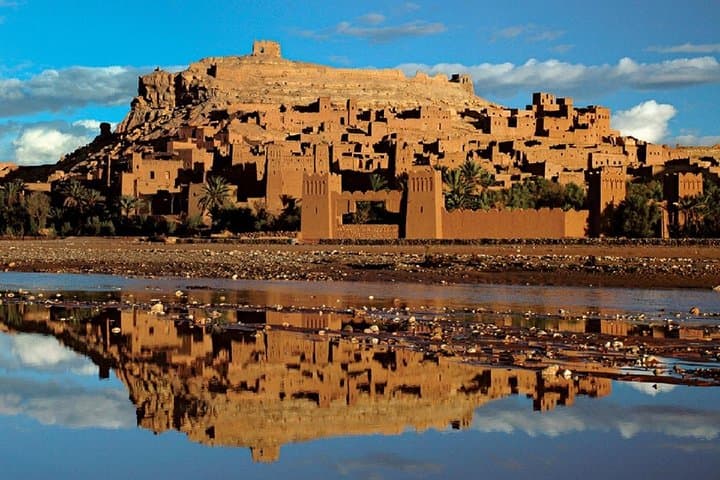
The engine hums as Marrakech recedes and the road climbs the Tizi n’Tichka pass, the air sharpening with altitude before the desert opens up like a living map. By late afternoon the ochre walls of Ait Ben Haddou appear, stacked adobe like a fortress of old trade routes, and the landscape eases from high Atlas rock to the soft, wind-sculpted ripples of Erg Chebbi.
The engine hums as Marrakech recedes and the road climbs the Tizi n’Tichka pass, the air sharpening with altitude before the desert opens up like a living map. By late afternoon the ochre walls of Ait Ben Haddou appear, stacked adobe like a fortress of old trade routes, and the landscape eases from high Atlas rock to the soft, wind-sculpted ripples of Erg Chebbi.
This corridor links centuries of history: caravan trails that ferried salt and dates, kasbahs that served as roadside strongholds, and nomadic families who still guide camel caravans at dusk. Geology here shifts fast — granite peaks at roughly 2,260 m on the pass give way to limestone gorges at Todgha and then to wind-blown sand seas at Merzouga. Local Berber culture is palpable in village markets, kasbah architecture, and the campfire rhythms of the desert night.
Expect three days of long scenic driving (roughly 530 km between Marrakech and Fes), a guided walk through Ait Ben Haddou, a stop at Todgha Gorge’s limestone cliffs, and a sunset camel ride across dunes followed by an overnight in a nomad-style desert camp. Temperatures swing widely; nights in the desert can be cold even after hot daytime hours. Bring layered clothing, sun protection, and a willingness to sit through several hours on mountain roads to reach the remote highlights.
Practical: schedule sunrise or sunset dune time for best light, carry at least 2–3 liters of water per day, and pack cash for small purchases and tips. The route rewards patience — dramatic vistas and tactile desert light replace the rush of a direct transfer.