THE ADVENTURE COLLECTIVE® · Independent discovery and booking for outdoor travel

Cross the High Atlas, explore Aït Benhaddou and Todra Gorge, then ride camels into Erg Chebbi for a night under desert stars. This shared 3-day route pairs iconic landscapes with practical logistics for first-time desert travelers.
Cross the High Atlas, explore Aït Benhaddou and Todra Gorge, then ride camels into Erg Chebbi for a night under desert stars. This shared 3-day route pairs iconic landscapes with practical logistics for first-time desert travelers.
You step out of Marrakech before dawn and the High Atlas swallows the road — stone villages squat against the pass, and the wind pushes fine dust across the tarmac like an impatient guide. The drive climbs, pauses at Aït Benhaddou’s ochre kasbahs, and moves through valleys where palm groves and red sandstone cliffs set the rhythm.
Verified experiences and guided adventures in the surrounding area.
Operated by Morocco Tours 4x4 - Day Tours · Merzouga, Drâa-Tafilalet
You step out of Marrakech before dawn and the High Atlas swallows the road — stone villages squat against the pass, and the wind pushes fine dust across the tarmac like an impatient guide. The drive climbs, pauses at Aït Benhaddou’s ochre kasbahs, and moves through valleys where palm groves and red sandstone cliffs set the rhythm.
This route follows ancient caravan corridors: kasbahs built from rammed earth still recall trans-Saharan trade. Geologically the journey shifts from folded Atlas ranges to eroded gorges — Todra’s vertical walls and the Dades’ sculpted ridges — before the landscape relaxes into Erg Chebbi’s dune sea. Local Berber culture threads through towns and riads, where food, music and pottery reflect centuries of desert life.
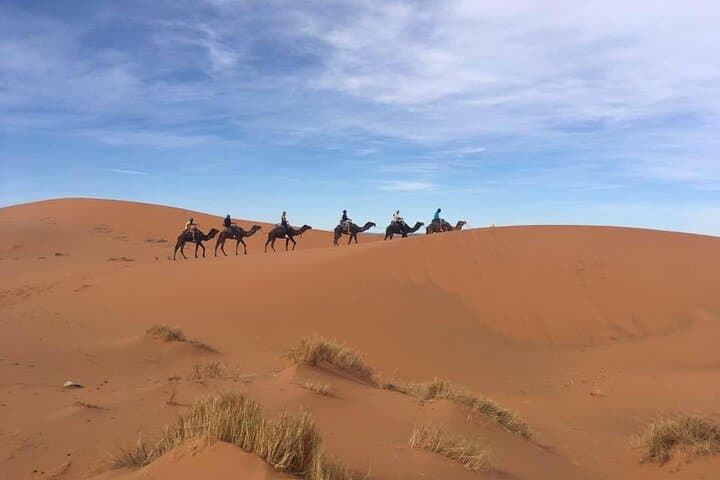
Expect long but scenic driving days in an air-conditioned minibus, short guided walks at gorge viewpoints, a fossil stop near Erfoud, and a late-afternoon camel ride into the dunes. The desert asserts itself: sand moving, night skies expansive, drums and mint tea around the campfire. You’ll sleep one night in a desert tent and other nights in simple riads or guesthouses.
Practical pointers: pack layers for big temperature swings, bring sun protection and reusable water, and travel with hard-soled shoes for both rocky gorges and sandy slopes. If you’re prone to motion sickness, seat selection on the minibus and an over-the-counter remedy help. Book with operators who include licensed guides and local camps to support sustainable tourism and safe camel handling.
moderate.
3 days.
Suitable for travelers in average fitness: short walks and a camel trek are optional but require basic mobility.
The camel ride is gentle and suitable for most travelers; camels kneel for mounts and guides assist. If you have back issues, walking alongside is an option at many stops.
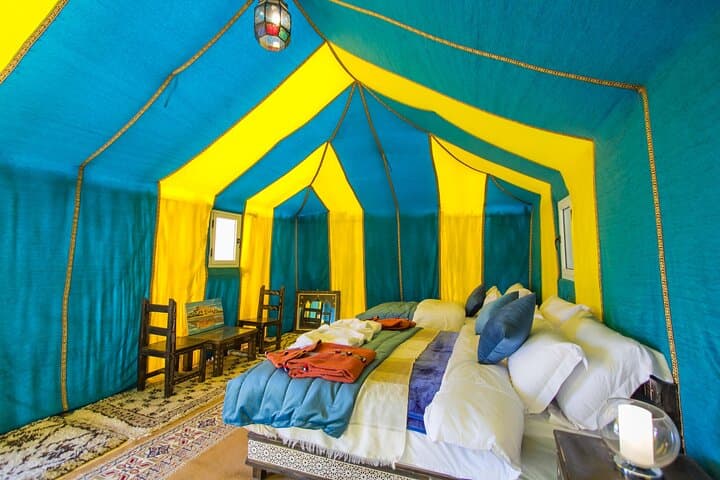
Desert camps typically offer simple Berber-style tents with mattresses and shared facilities; one night is included and dinner is cooked onsite with local food and music.
This particular itinerary runs from Marrakech to Fes; some operators offer reverse or private departures, but check booking details before arranging pickup from Fes.
Meals listed in the itinerary include breakfasts and dinners specified; bottled water and extra snacks are usually at your expense unless noted.
The route follows parts of historic trans-Saharan trade corridors; many kasbahs were fortified homes for caravan merchants and local leaders.
Water scarcity and fragile dune ecosystems are sensitive to overuse; choose operators that follow local waste management and respect community water supplies.
Morocco Tours 4x4 - Day Tours operates guided outdoor trips and adventures with an emphasis on safety, stewardship, and memorable experiences.
You step out of Marrakech before dawn and the High Atlas swallows the road — stone villages squat against the pass, and the wind pushes fine dust across the tarmac like an impatient guide. The drive climbs, pauses at Aït Benhaddou’s ochre kasbahs, and moves through valleys where palm groves and red sandstone cliffs set the rhythm.
You step out of Marrakech before dawn and the High Atlas swallows the road — stone villages squat against the pass, and the wind pushes fine dust across the tarmac like an impatient guide. The drive climbs, pauses at Aït Benhaddou’s ochre kasbahs, and moves through valleys where palm groves and red sandstone cliffs set the rhythm.
This route follows ancient caravan corridors: kasbahs built from rammed earth still recall trans-Saharan trade. Geologically the journey shifts from folded Atlas ranges to eroded gorges — Todra’s vertical walls and the Dades’ sculpted ridges — before the landscape relaxes into Erg Chebbi’s dune sea. Local Berber culture threads through towns and riads, where food, music and pottery reflect centuries of desert life.
Expect long but scenic driving days in an air-conditioned minibus, short guided walks at gorge viewpoints, a fossil stop near Erfoud, and a late-afternoon camel ride into the dunes. The desert asserts itself: sand moving, night skies expansive, drums and mint tea around the campfire. You’ll sleep one night in a desert tent and other nights in simple riads or guesthouses.
Practical pointers: pack layers for big temperature swings, bring sun protection and reusable water, and travel with hard-soled shoes for both rocky gorges and sandy slopes. If you’re prone to motion sickness, seat selection on the minibus and an over-the-counter remedy help. Book with operators who include licensed guides and local camps to support sustainable tourism and safe camel handling.