THE ADVENTURE COLLECTIVE® · Independent discovery and booking for outdoor travel

Three days of Atlas passes, kasbahs and a night under the Erg Chebbi stars: this luxury Marrakech-to-Fes tour mixes road‑tripping with a camel trek and desert bivouac. Read on for what to expect, practical tips, and seasonal advice.
Three days of Atlas passes, kasbahs and a night under the Erg Chebbi stars: this luxury Marrakech-to-Fes tour mixes road‑tripping with a camel trek and desert bivouac. Read on for what to expect, practical tips, and seasonal advice.
You rise before dawn in Marrakech and the city’s low light gives way to the High Atlas as the road climbs toward Tizi n’Tichka, the pass that pushes to roughly 2,260 m and opens views into a raw, sunlit country. The air thins, switchbacks unwind, and by late afternoon you’re tracing the ochre walls of Ait Ben Haddou and later, the silent, museum-like streets of Ouarzazate.
Verified experiences and guided adventures in the surrounding area.
Operated by MOROCCO TRIP DESERT · Merzouga, Drâa-Tafilalet
You rise before dawn in Marrakech and the city’s low light gives way to the High Atlas as the road climbs toward Tizi n’Tichka, the pass that pushes to roughly 2,260 m and opens views into a raw, sunlit country. The air thins, switchbacks unwind, and by late afternoon you’re tracing the ochre walls of Ait Ben Haddou and later, the silent, museum-like streets of Ouarzazate.
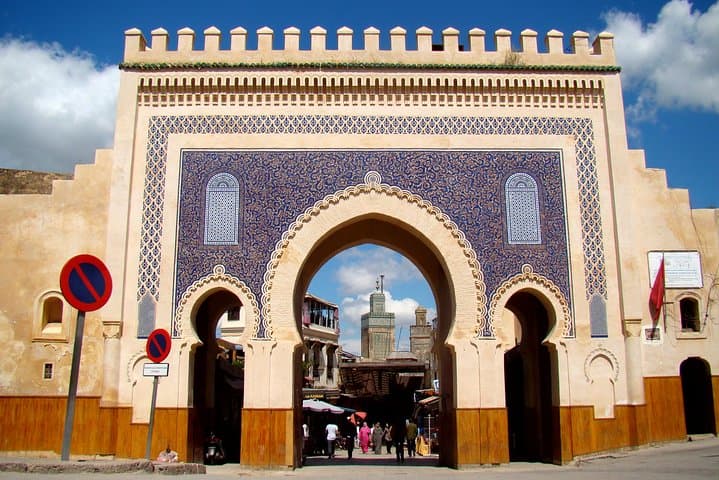
This route threads geology and human history: layered red-earth plateaus carved by rivers into deep canyons, the 300 m–deep Todgha Gorge cut by millennia of flashflows, and the Erg Chebbi sand sea where dunes crest as high as 50 m. Berber kasbahs and French-built Ifrane mark cultural junctions—markets selling rose water from Kelaat Mgouna, film-studio sets in Ouarzazate, and cedar forests around Azrou where macaques forage.
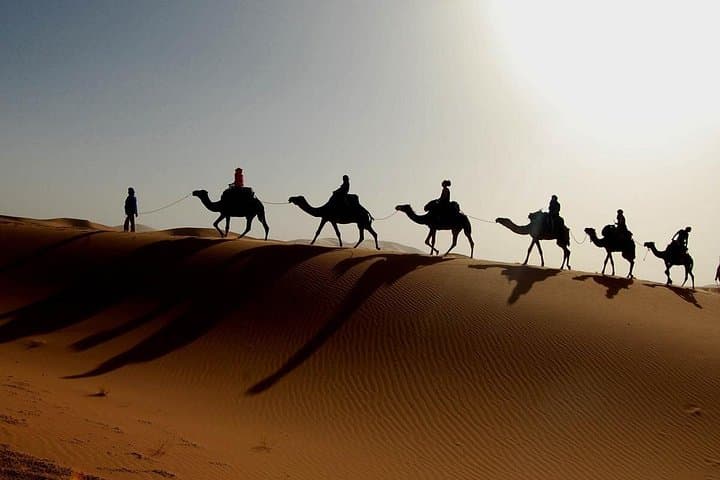
Expect long drives—roughly 200–220 km from Marrakech to Ouarzazate and another 350–400 km east toward Merzouga—balanced by short hikes and a 90-minute camel trek into the dune field at sunset. Terrain varies from paved mountain passes and rocky gorges to soft, wind-blown sand; elevation swings from about 1,000 m to over 2,200 m on the pass.
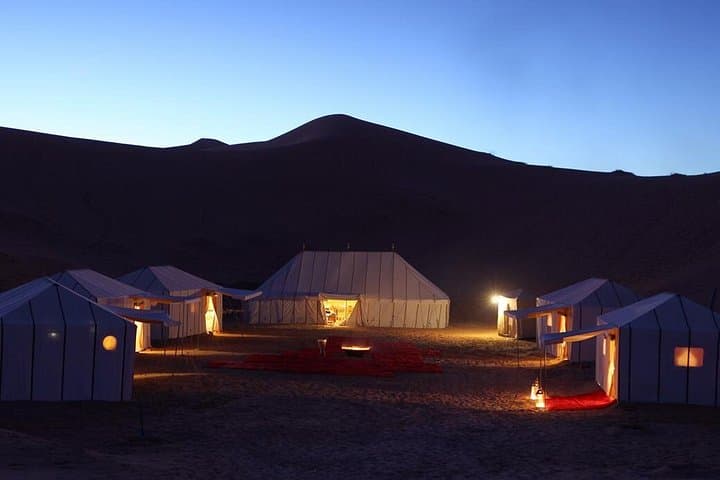
Practical guidance: pack layers for temperature swings, carry 2–3 L water per day, and use closed-toe shoes for rocky sections and sandals for dunes. Start days early to avoid midday heat; allow extra travel time for scenic stops. Travel is accessible for most fitness levels but expect uneven ground during short hikes and when entering tents in the bivouac.
moderate.
3 days.
Suitable for travelers in average fitness: long vehicle transfers, short hikes (up to a few kilometres) and a 90‑minute camel ride require balance and basic stamina.
Yes — most operators offer hotel or riad pickup in Marrakech; confirm your pickup point when booking.
The camel ride is a gentle, approximately 90‑minute trek over sand; the bivouac experience involves short walks on soft sand and basic tent accommodations.
Expect basic facilities at towns and hotels; desert bivouacs provide simple latrine facilities—plan accordingly.
Parts of the trip (vehicles, many hotels) are accessible, but the camel trek and dune camping require mobility to climb aboard and walk on sand; check accessibility needs with the operator.
This corridor has long linked Atlantic trade routes to the Sahara; kasbahs like Ait Ben Haddou were once caravan strongpoints and later film locations.
Water is scarce—minimize waste and support local businesses that use sustainable water practices; stay on marked routes to protect fragile dune vegetation.
MOROCCO TRIP DESERT operates guided outdoor trips and adventures with an emphasis on safety, stewardship, and memorable experiences.
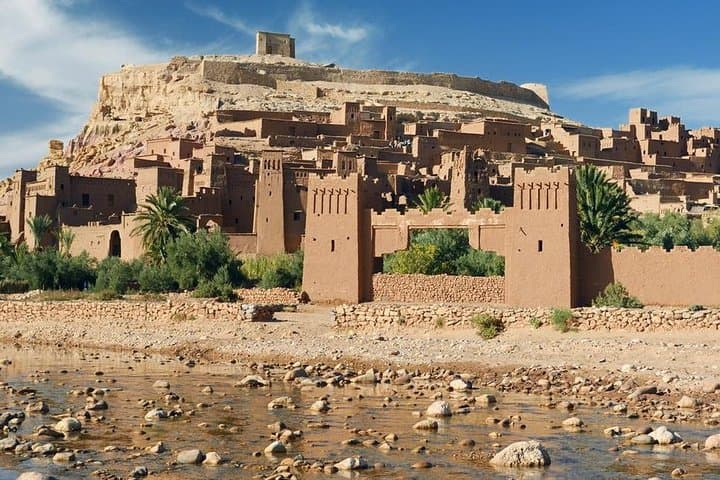
You rise before dawn in Marrakech and the city’s low light gives way to the High Atlas as the road climbs toward Tizi n’Tichka, the pass that pushes to roughly 2,260 m and opens views into a raw, sunlit country. The air thins, switchbacks unwind, and by late afternoon you’re tracing the ochre walls of Ait Ben Haddou and later, the silent, museum-like streets of Ouarzazate.
You rise before dawn in Marrakech and the city’s low light gives way to the High Atlas as the road climbs toward Tizi n’Tichka, the pass that pushes to roughly 2,260 m and opens views into a raw, sunlit country. The air thins, switchbacks unwind, and by late afternoon you’re tracing the ochre walls of Ait Ben Haddou and later, the silent, museum-like streets of Ouarzazate.
This route threads geology and human history: layered red-earth plateaus carved by rivers into deep canyons, the 300 m–deep Todgha Gorge cut by millennia of flashflows, and the Erg Chebbi sand sea where dunes crest as high as 50 m. Berber kasbahs and French-built Ifrane mark cultural junctions—markets selling rose water from Kelaat Mgouna, film-studio sets in Ouarzazate, and cedar forests around Azrou where macaques forage.
Expect long drives—roughly 200–220 km from Marrakech to Ouarzazate and another 350–400 km east toward Merzouga—balanced by short hikes and a 90-minute camel trek into the dune field at sunset. Terrain varies from paved mountain passes and rocky gorges to soft, wind-blown sand; elevation swings from about 1,000 m to over 2,200 m on the pass.
Practical guidance: pack layers for temperature swings, carry 2–3 L water per day, and use closed-toe shoes for rocky sections and sandals for dunes. Start days early to avoid midday heat; allow extra travel time for scenic stops. Travel is accessible for most fitness levels but expect uneven ground during short hikes and when entering tents in the bivouac.