THE ADVENTURE COLLECTIVE® · Independent discovery and booking for outdoor travel

A private day trip from Marrakech to Essaouira delivers maritime history, wind-scoured beaches and a lively fishing port. Explore 18th-century ramparts, a compact medina of blue and white, and free time at the old harbor to sample fresh seafood.
A private day trip from Marrakech to Essaouira delivers maritime history, wind-scoured beaches and a lively fishing port. Explore 18th-century ramparts, a compact medina of blue and white, and free time at the old harbor to sample fresh seafood.
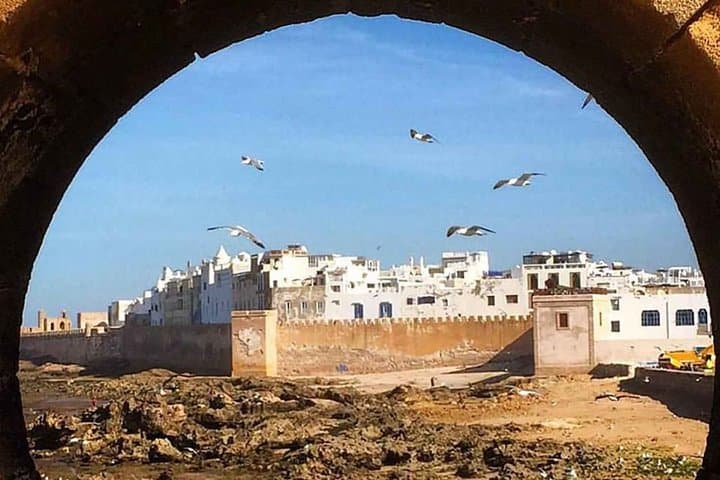
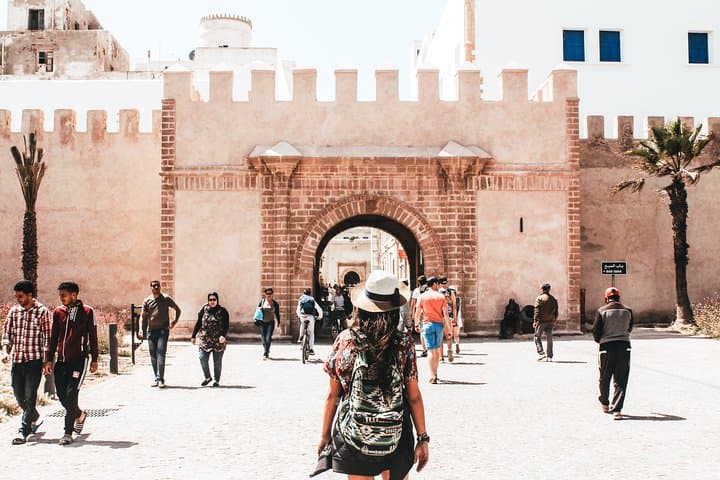
You arrive on the coast as the Atlantic presses white foam against centuries-old stone — the city's ramparts stand like patient guardians daring the sea to forget them. A private day trip from Marrakech unfolds as a steady ribbon of road through argan-studded scrub, ending at Essaouira’s wind-creased harbor where fishing boats unload silvered sardines and gulls stage their own negotiations.
Verified experiences and guided adventures in the surrounding area.
Operated by Toubkal Guide · Essaouira, Marrakech-Safi
You arrive on the coast as the Atlantic presses white foam against centuries-old stone — the city's ramparts stand like patient guardians daring the sea to forget them. A private day trip from Marrakech unfolds as a steady ribbon of road through argan-studded scrub, ending at Essaouira’s wind-creased harbor where fishing boats unload silvered sardines and gulls stage their own negotiations.
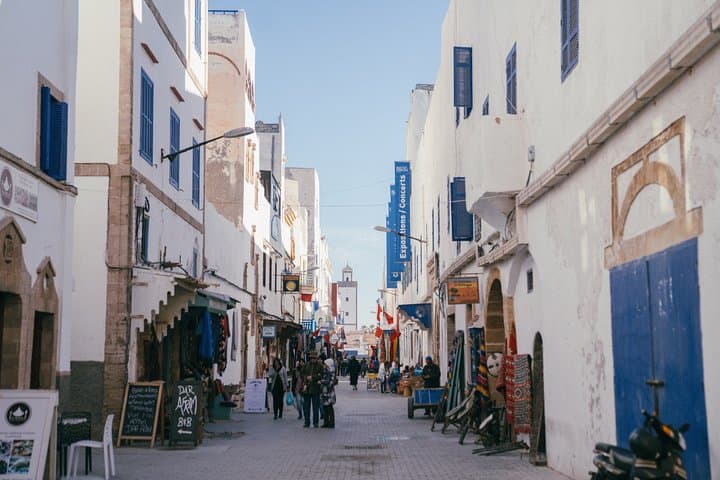
Essaouira’s footprint traces back to Phoenician landings, but its modern face was shaped in the 18th century by Sultan Sidi Mohamed Ben Abdellah and the French engineer Théodore Cornut, who set the grid and fortifications influenced by Vauban. The town’s geology is Atlantic shale and sand; the beaches are long, wind-blown plains ideal for kitesurfing, while the medina’s white-and-blue houses reflect a pragmatic coastal palette.
Walk the ramparts to count cannon embrasures, browse the compact souks for carved thuya wood and locally produced argan oil, then watch the auction at the old port where nets are hauled and crustaceans sorted. Culture here is maritime—fishermen, boatwrights, and cooperative-run argan producers balance tradition with tourist curiosity.
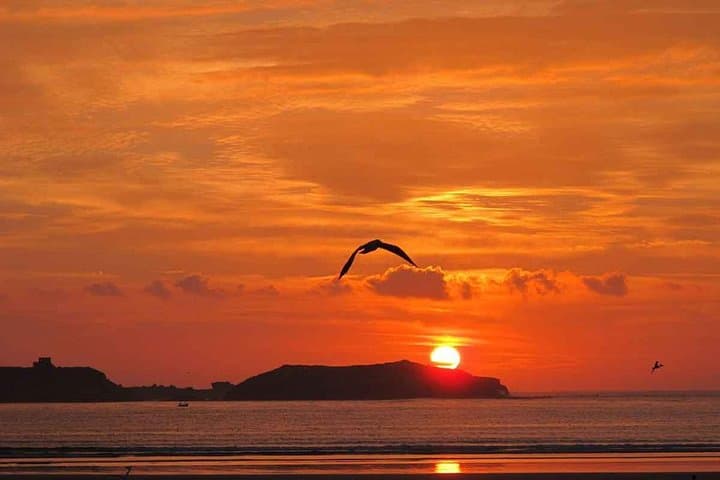
Practical guidance: expect a 6–8 hour outing with roughly 2.5–3 hours driving each way from Marrakech. Wear sturdy walking shoes for cobbled streets, bring sun protection and water, and carry cash for market purchases and fresh fish at the harbor. If you’re prone to motion sickness, take precautions for the drive. Plan visits in the morning for cooler air and softer light on the ramparts, or late afternoon for a quieter medina and golden seaside tones.
easy.
6–8 hours.
Suitable for most fitness levels; involves short to moderate walking on uneven surfaces.
The drive typically takes 2.5–3 hours one way, depending on traffic and exact pickup location in Marrakech.
No — food is not included; you’ll have free time at the old harbor to buy fresh seafood or eat at local restaurants.
Yes — the tour is rated easy and suitable for most ages, though expect walking on cobbles and some stairs in the medina.
Yes — you can visit cooperatives or market stalls selling argan oil; opt for cooperatives to support local producers and quality products.
Essaouira was redeveloped in the 18th century by Sultan Sidi Mohamed Ben Abdellah and engineer Théodore Cornut; its fortified layout reflects European military influence and centuries of maritime trade.
Support local argan cooperatives and avoid single-use plastics; fishing is central to the town’s economy, so purchase sustainably and respect landing operations.
Toubkal Guide operates guided outdoor trips and adventures with an emphasis on safety, stewardship, and memorable experiences.
You arrive on the coast as the Atlantic presses white foam against centuries-old stone — the city's ramparts stand like patient guardians daring the sea to forget them. A private day trip from Marrakech unfolds as a steady ribbon of road through argan-studded scrub, ending at Essaouira’s wind-creased harbor where fishing boats unload silvered sardines and gulls stage their own negotiations.
You arrive on the coast as the Atlantic presses white foam against centuries-old stone — the city's ramparts stand like patient guardians daring the sea to forget them. A private day trip from Marrakech unfolds as a steady ribbon of road through argan-studded scrub, ending at Essaouira’s wind-creased harbor where fishing boats unload silvered sardines and gulls stage their own negotiations.
Essaouira’s footprint traces back to Phoenician landings, but its modern face was shaped in the 18th century by Sultan Sidi Mohamed Ben Abdellah and the French engineer Théodore Cornut, who set the grid and fortifications influenced by Vauban. The town’s geology is Atlantic shale and sand; the beaches are long, wind-blown plains ideal for kitesurfing, while the medina’s white-and-blue houses reflect a pragmatic coastal palette.
Walk the ramparts to count cannon embrasures, browse the compact souks for carved thuya wood and locally produced argan oil, then watch the auction at the old port where nets are hauled and crustaceans sorted. Culture here is maritime—fishermen, boatwrights, and cooperative-run argan producers balance tradition with tourist curiosity.
Practical guidance: expect a 6–8 hour outing with roughly 2.5–3 hours driving each way from Marrakech. Wear sturdy walking shoes for cobbled streets, bring sun protection and water, and carry cash for market purchases and fresh fish at the harbor. If you’re prone to motion sickness, take precautions for the drive. Plan visits in the morning for cooler air and softer light on the ramparts, or late afternoon for a quieter medina and golden seaside tones.