THE ADVENTURE COLLECTIVE® · Independent discovery and booking for outdoor travel

Escape Marrakech for the Atlantic breeze on a full-day visit to Essaouira. Explore the skala ramparts, watch fish grilled at the port, and learn about argan oil traditions in a compact, walkable medina.
Escape Marrakech for the Atlantic breeze on a full-day visit to Essaouira. Explore the skala ramparts, watch fish grilled at the port, and learn about argan oil traditions in a compact, walkable medina.
The road to Essaouira opens with a slow change of light and smell: red-earth plains giving way to low scrub and, finally, the Atlantic’s salt and wind. By midmorning the coastal breeze dares your hat and carries the calls of gulls as you enter the city where whitewashed ramparts meet a working port.
Verified experiences and guided adventures in the surrounding area.
Operated by Mission Travel Morocco · Essaouira, Marrakesh-Safi
The road to Essaouira opens with a slow change of light and smell: red-earth plains giving way to low scrub and, finally, the Atlantic’s salt and wind. By midmorning the coastal breeze dares your hat and carries the calls of gulls as you enter the city where whitewashed ramparts meet a working port.
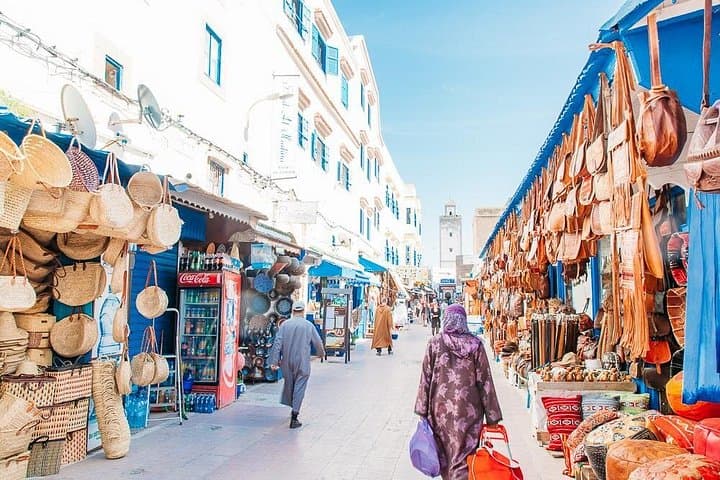
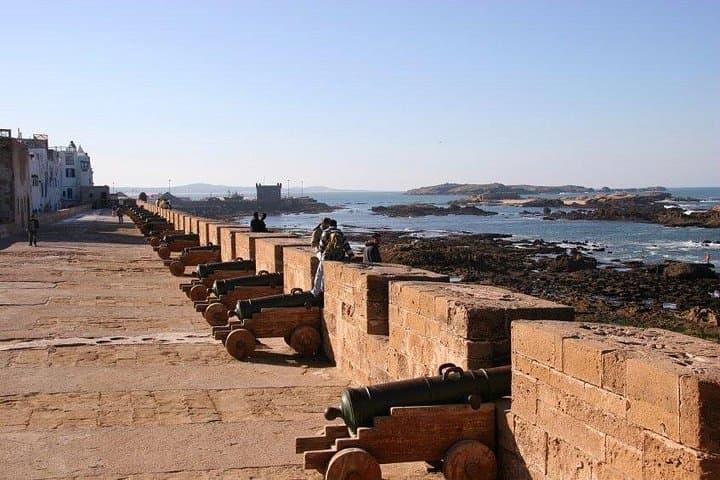
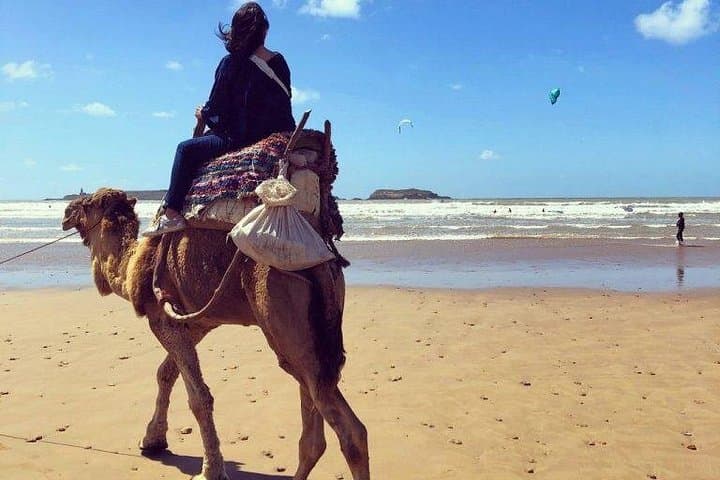
Essaouira, once the fortified Portuguese port of Mogador, sits on a rocky promontory cut by 16th-century cannons and broad sandy beaches. Geologically, the coastline is a mix of exposed bedrock and wind-scoured dunes; culturally, the medina’s narrow lanes hold thuja wood carvers, silversmiths, and quiet cafés that reflect the town’s trading past and contemporary arts scene. Nearby argan groves have shaped local livelihoods and spawned cooperatives where traditional women's pressing methods are still on view.
On a day trip from Marrakech expect roughly 2.5–3 hours driving each way (about 170 km), plus a 3–4 hour window to explore the port, medina, and beachfront. Highlights: the Skala du Port ramparts for sea views, the fish market for grilled seafood, and a stop at an argan cooperative to watch oil pressing.
Practical guidance: leave early to maximize time in Essaouira and avoid afternoon traffic; wear sturdy shoes for cobbles; bring cash for small purchases; and pack windproof layers—the Atlantic breeze is persistent year-round. Mobility access is reported but cobbled medina streets can be uneven, so plan accordingly. This trip balances relaxed coastal time with easily reachable cultural immersion—good for travelers seeking a cooler contrast to Marrakech’s heat.
easy.
8–10 hours.
Suitable for most fitness levels; expect moderate walking on cobbles and short stair sections
Expect roughly 2.5–3 hours each way by road (around 170 km), depending on traffic and your departure point in Marrakech.
Most day trips do not include lunch; Essaouira’s port has fresh grilled seafood and cafes where you can eat independently.
(duplicate)
Yes—there are cooperatives and small producers where you can see traditional pressing and buy high-quality argan oil; bring cash and compare prices.
Founded as Mogador, the town’s Portuguese-built ramparts and 18th-century fortifications reflect its long role as a strategic Atlantic trading port.
Argan cooperatives support local women’s incomes and sustainable harvesting; visitors should avoid single-use plastics and support certified producers to reduce environmental impact.
Mission Travel Morocco operates guided outdoor trips and adventures with an emphasis on safety, stewardship, and memorable experiences.
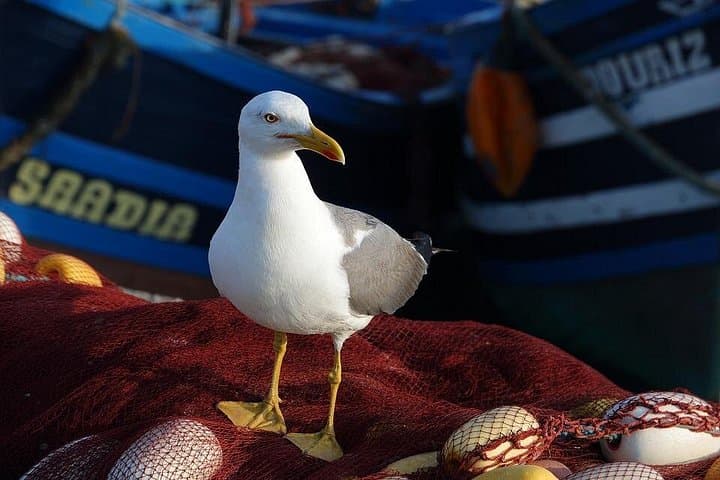
The road to Essaouira opens with a slow change of light and smell: red-earth plains giving way to low scrub and, finally, the Atlantic’s salt and wind. By midmorning the coastal breeze dares your hat and carries the calls of gulls as you enter the city where whitewashed ramparts meet a working port.
The road to Essaouira opens with a slow change of light and smell: red-earth plains giving way to low scrub and, finally, the Atlantic’s salt and wind. By midmorning the coastal breeze dares your hat and carries the calls of gulls as you enter the city where whitewashed ramparts meet a working port.
Essaouira, once the fortified Portuguese port of Mogador, sits on a rocky promontory cut by 16th-century cannons and broad sandy beaches. Geologically, the coastline is a mix of exposed bedrock and wind-scoured dunes; culturally, the medina’s narrow lanes hold thuja wood carvers, silversmiths, and quiet cafés that reflect the town’s trading past and contemporary arts scene. Nearby argan groves have shaped local livelihoods and spawned cooperatives where traditional women's pressing methods are still on view.
On a day trip from Marrakech expect roughly 2.5–3 hours driving each way (about 170 km), plus a 3–4 hour window to explore the port, medina, and beachfront. Highlights: the Skala du Port ramparts for sea views, the fish market for grilled seafood, and a stop at an argan cooperative to watch oil pressing.
Practical guidance: leave early to maximize time in Essaouira and avoid afternoon traffic; wear sturdy shoes for cobbles; bring cash for small purchases; and pack windproof layers—the Atlantic breeze is persistent year-round. Mobility access is reported but cobbled medina streets can be uneven, so plan accordingly. This trip balances relaxed coastal time with easily reachable cultural immersion—good for travelers seeking a cooler contrast to Marrakech’s heat.