THE ADVENTURE COLLECTIVE® · Independent discovery and booking for outdoor travel

Escape Marrakech for a day on the Atlantic coast: explore Essaouira’s fortified medina, visit a women’s argan cooperative, stroll windswept beaches and watch the fishing harbor’s daily choreography. This practical day trip balances culture, food and coastal scenery with roughly 3 hours each way by minivan.
Escape Marrakech for a day on the Atlantic coast: explore Essaouira’s fortified medina, visit a women’s argan cooperative, stroll windswept beaches and watch the fishing harbor’s daily choreography. This practical day trip balances culture, food and coastal scenery with roughly 3 hours each way by minivan.
The day begins before dawn in Marrakech: a minivan hums to life and the road unfurls toward the Atlantic, olive-gold argan trees punctuating scrubby hills as the city shrinks behind you.
Verified experiences and guided adventures in the surrounding area.
Operated by morocco desert activities · Essaouira, Marrakesh-Safi
The day begins before dawn in Marrakech: a minivan hums to life and the road unfurls toward the Atlantic, olive-gold argan trees punctuating scrubby hills as the city shrinks behind you.
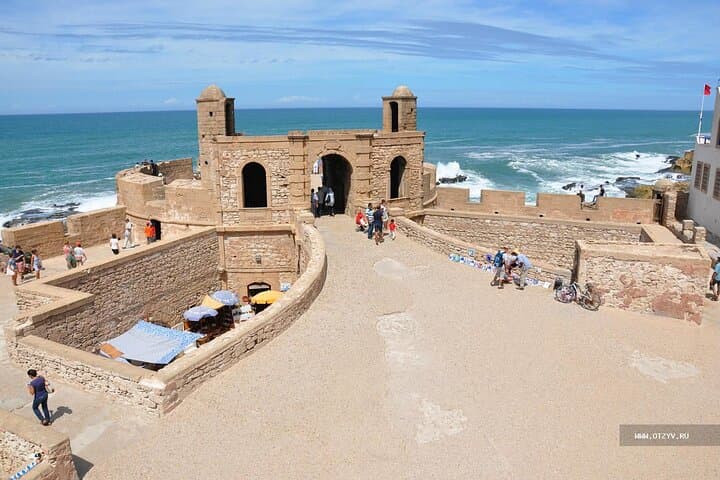
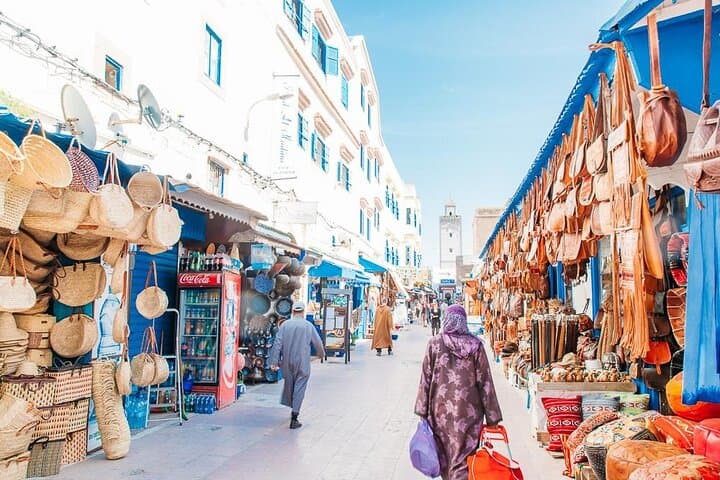
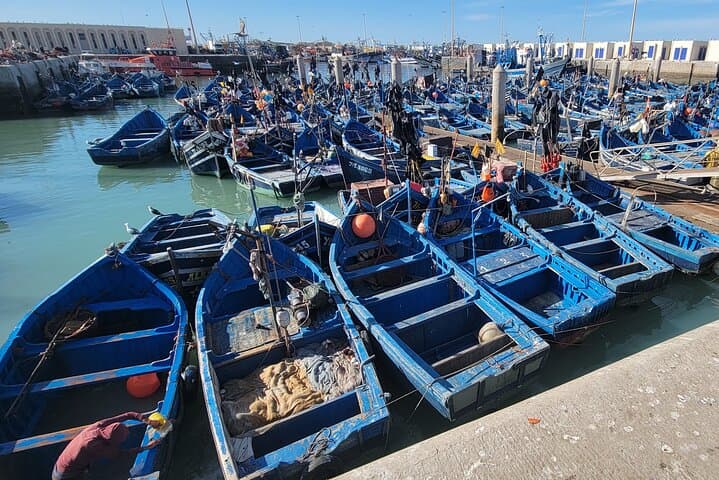
Three hours and roughly 170 km later you arrive in Essaouira, a windswept port town where whitewashed ramparts and blue shutters face an ocean that constantly tests the shoreline. The medina’s narrow alleys open into wider squares dotted with artisan stalls; the harbor is a working theater of wooden boats, fishmongers and gulls jockeying for scraps.
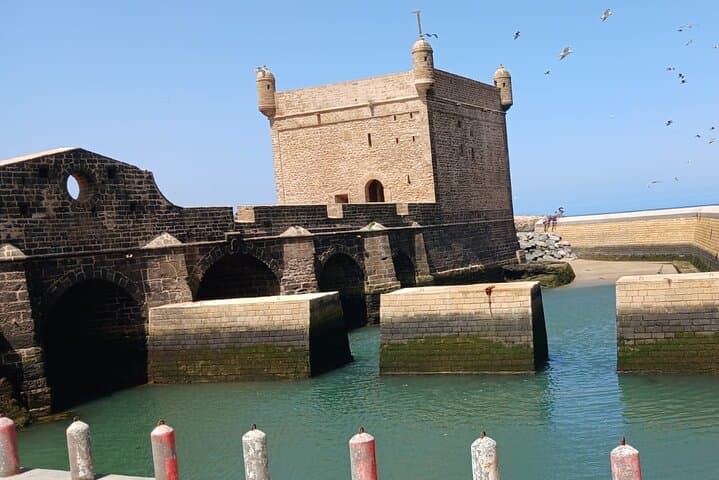
Essaouira’s stone walls date to 16th-century Portuguese plans, later reshaped under sultanic rule; the town’s grid-like medina is easier to read than many Moroccan old towns and reflects its role as a mercantile hub between inland Morocco and Europe.
Geology here is coastal plain and sandy beaches backed by low limestone cliffs—wind and wave carve dunes and make the bay one of North Africa’s prime spots for wind-driven sports. Culture is tactile: women-run argan cooperatives press oil by hand, Gnawa rhythms thread through evening cafés, and local fishermen mend nets on the quay.
Practical guide: expect a full 10-hour outing with about 2.5–3 hours each way. Wear sturdy walking shoes for cobbles, bring layered wind protection, sun protection and small bills for markets and tips. Plan to spend time at an argan cooperative, through the medina, and on the beach where strong afternoon winds can be stunning or abrasive depending on your tolerance. Return to Marrakech in the early evening with salt air on your jacket and new crafts in your pack.
easy.
9–11 hours.
Suitable for most fitness levels; involves several hours of walking on cobbles and short stair climbs
Expect about 2.5–3 hours each way by air-conditioned minivan, depending on traffic and stops.
Lunch is typically not included; the itinerary allows time to eat at local restaurants where fresh seafood is common.
Yes — most day tours include a stop at a women’s argan cooperative to observe traditional oil production and shop for products.
Some main squares and wider streets are accessible, but many alleys have cobbles and steps; check specific accessibility needs with the operator.
Essaouira’s fortified port was redesigned in the 16th century by Portuguese engineers and later expanded under Moroccan sultans, shaping its grid-like medina and defensive ramparts.
Local argan cooperatives help maintain argan tree cultivation and provide income to preserve the semi-arid landscape; visitors should avoid disturbing dunes and marine habitats.
morocco desert activities operates guided outdoor trips and adventures with an emphasis on safety, stewardship, and memorable experiences.
The day begins before dawn in Marrakech: a minivan hums to life and the road unfurls toward the Atlantic, olive-gold argan trees punctuating scrubby hills as the city shrinks behind you.
The day begins before dawn in Marrakech: a minivan hums to life and the road unfurls toward the Atlantic, olive-gold argan trees punctuating scrubby hills as the city shrinks behind you.
Three hours and roughly 170 km later you arrive in Essaouira, a windswept port town where whitewashed ramparts and blue shutters face an ocean that constantly tests the shoreline. The medina’s narrow alleys open into wider squares dotted with artisan stalls; the harbor is a working theater of wooden boats, fishmongers and gulls jockeying for scraps.
Essaouira’s stone walls date to 16th-century Portuguese plans, later reshaped under sultanic rule; the town’s grid-like medina is easier to read than many Moroccan old towns and reflects its role as a mercantile hub between inland Morocco and Europe.
Geology here is coastal plain and sandy beaches backed by low limestone cliffs—wind and wave carve dunes and make the bay one of North Africa’s prime spots for wind-driven sports. Culture is tactile: women-run argan cooperatives press oil by hand, Gnawa rhythms thread through evening cafés, and local fishermen mend nets on the quay.
Practical guide: expect a full 10-hour outing with about 2.5–3 hours each way. Wear sturdy walking shoes for cobbles, bring layered wind protection, sun protection and small bills for markets and tips. Plan to spend time at an argan cooperative, through the medina, and on the beach where strong afternoon winds can be stunning or abrasive depending on your tolerance. Return to Marrakech in the early evening with salt air on your jacket and new crafts in your pack.