THE ADVENTURE COLLECTIVE® · Independent discovery and booking for outdoor travel

Swap Marrakech’s ochre alleys for Atlantic air on a full-day drive to Casablanca. See colonial landmarks, the majestic Hassan II Mosque, and a seaside Corniche walk—all in one long, photo-friendly day.
Swap Marrakech’s ochre alleys for Atlantic air on a full-day drive to Casablanca. See colonial landmarks, the majestic Hassan II Mosque, and a seaside Corniche walk—all in one long, photo-friendly day.
The bus eases out of Marrakech before dawn and the atlas-dusted plain flattens toward the Atlantic; by late morning the air changes—salt and brine push through the city streets and the ocean claims the skyline.
Verified experiences and guided adventures in the surrounding area.
Operated by Reise Marokko · Casablanca, Casablanca-Settat
The bus eases out of Marrakech before dawn and the atlas-dusted plain flattens toward the Atlantic; by late morning the air changes—salt and brine push through the city streets and the ocean claims the skyline.
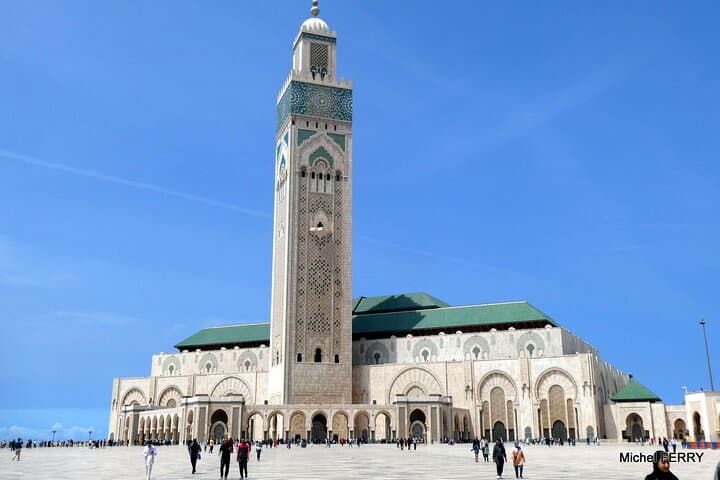
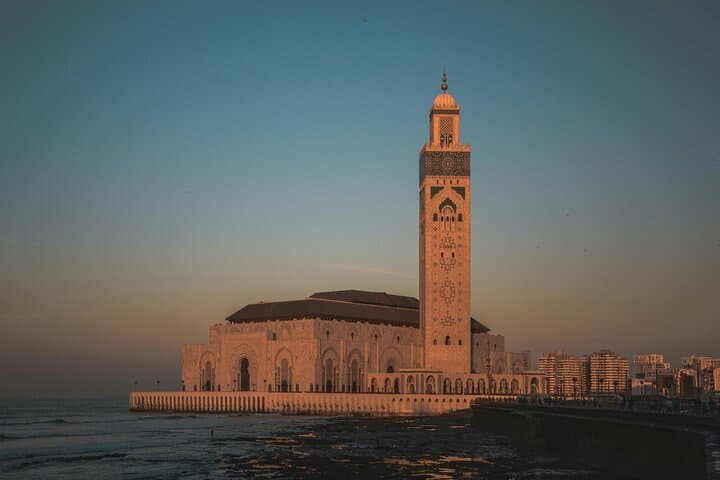
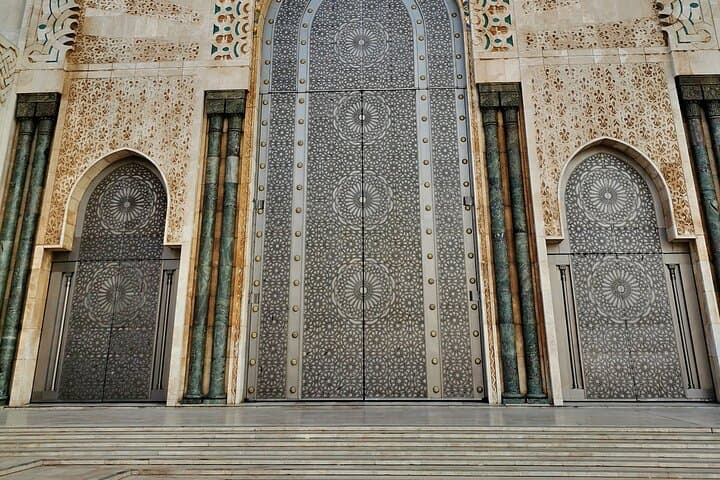
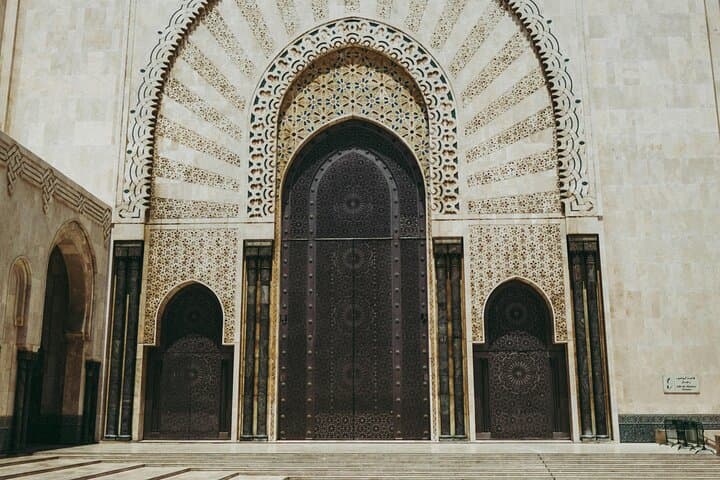
Casablanca is a modern port city where French colonial avenues and Moroccan trade meet. Start with the Sacred Heart Cathedral and United Nations Square to read the layers of 20th-century urban planning; the cathedral’s brickwork and plazas reflect a period when Casablanca remade itself as Morocco’s commercial face. The real show is the Hassan II Mosque, perched on a reclaimed promontory so the sea seems to lap at its marble base. Completed in the 1990s, it blends traditional Islamic artisanship—zellij tile, carved cedar, plasterwork—with large-scale engineering that resists the Atlantic’s push.
The Corniche is where the city exhales: a seaside promenade that invites a slow walk, cafés that serve mint tea, and seawalls that shoulder the surf. Look for local fishermen and seabirds trading the same rocks; the ocean can feel like a persistent guide, tugging your gaze out to the horizon.
Practical guidance: this is a long, coach-based day (about 11–12 hours). Bring sun protection and modest clothing for mosque areas—women should have a scarf for possible interior visits. Optional mosque entry (around €14) requires basic shoes-off protocol and modest dress. Expect short walking segments, photo stops, and an hour-plus for lunch on your own. The tour is low-impact physically but long—pack water, comfortable shoes, and a small daypack. Timing your photo-op for late afternoon light on the Corniche rewards patient travelers.
easy.
11–12 hours.
Low-to-moderate fitness is sufficient; be prepared for a long day on a coach with multiple short walks.
Yes — round-trip transportation and pickup from central hotels or a meeting point in Marrakech are included in the tour.
Yes, interior visits are optional and require an entrance ticket (approximately €14); modest dress and removing shoes are part of the protocol.
Lunch is not included; the itinerary provides free time to choose a local restaurant—private tours may arrange dining at Rick’s Café for an extra fee.
The tour notes stroller accessibility and infant seats; short walks are required, but the overall day is manageable for families used to long outings.
Casablanca grew rapidly in the early 20th century under French colonial rule, shaping its wide boulevards and Art Deco architecture while remaining a major Moroccan port.
Coastal erosion and urban development pressure parts of the shoreline; choose local businesses that follow responsible waste practices and avoid disturbing seabird nesting sites.
Reise Marokko operates guided outdoor trips and adventures with an emphasis on safety, stewardship, and memorable experiences.
The bus eases out of Marrakech before dawn and the atlas-dusted plain flattens toward the Atlantic; by late morning the air changes—salt and brine push through the city streets and the ocean claims the skyline.
The bus eases out of Marrakech before dawn and the atlas-dusted plain flattens toward the Atlantic; by late morning the air changes—salt and brine push through the city streets and the ocean claims the skyline.
Casablanca is a modern port city where French colonial avenues and Moroccan trade meet. Start with the Sacred Heart Cathedral and United Nations Square to read the layers of 20th-century urban planning; the cathedral’s brickwork and plazas reflect a period when Casablanca remade itself as Morocco’s commercial face. The real show is the Hassan II Mosque, perched on a reclaimed promontory so the sea seems to lap at its marble base. Completed in the 1990s, it blends traditional Islamic artisanship—zellij tile, carved cedar, plasterwork—with large-scale engineering that resists the Atlantic’s push.
The Corniche is where the city exhales: a seaside promenade that invites a slow walk, cafés that serve mint tea, and seawalls that shoulder the surf. Look for local fishermen and seabirds trading the same rocks; the ocean can feel like a persistent guide, tugging your gaze out to the horizon.
Practical guidance: this is a long, coach-based day (about 11–12 hours). Bring sun protection and modest clothing for mosque areas—women should have a scarf for possible interior visits. Optional mosque entry (around €14) requires basic shoes-off protocol and modest dress. Expect short walking segments, photo stops, and an hour-plus for lunch on your own. The tour is low-impact physically but long—pack water, comfortable shoes, and a small daypack. Timing your photo-op for late afternoon light on the Corniche rewards patient travelers.