THE ADVENTURE COLLECTIVE® · Independent discovery and booking for outdoor travel

Spend a day trading Marrakech’s bustle for the High Atlas ridgelines: a camel ride near Moulay Brahim, a guided stroll from Imlil to Aremd, and a local lunch in a guesthouse. This private day trip mixes easy walking with cultural stops and sweeping views of Jbel Toubkal.
Spend a day trading Marrakech’s bustle for the High Atlas ridgelines: a camel ride near Moulay Brahim, a guided stroll from Imlil to Aremd, and a local lunch in a guesthouse. This private day trip mixes easy walking with cultural stops and sweeping views of Jbel Toubkal.
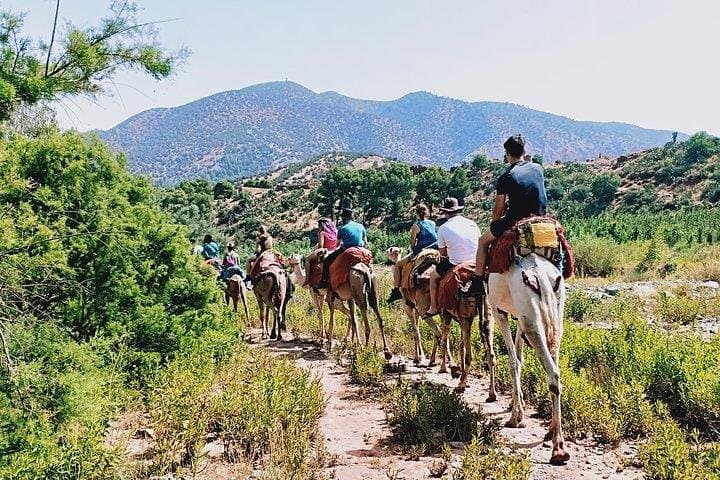
You leave Marrakech before the heat builds, the city’s ochre walls shrinking as the road climbs into the High Atlas. Mountain air cuts through the bus windows; cedar and scrub step in, and villages with flat-roofed houses appear like islands on the slopes. By Moulay Brahim, the caravan of camels waits—one hour of slow swaying that sets the rhythm for the day.
Verified experiences and guided adventures in the surrounding area.
Operated by Toubkal Guide · Imlil, Marrakesh-Safi
You leave Marrakech before the heat builds, the city’s ochre walls shrinking as the road climbs into the High Atlas. Mountain air cuts through the bus windows; cedar and scrub step in, and villages with flat-roofed houses appear like islands on the slopes. By Moulay Brahim, the caravan of camels waits—one hour of slow swaying that sets the rhythm for the day.
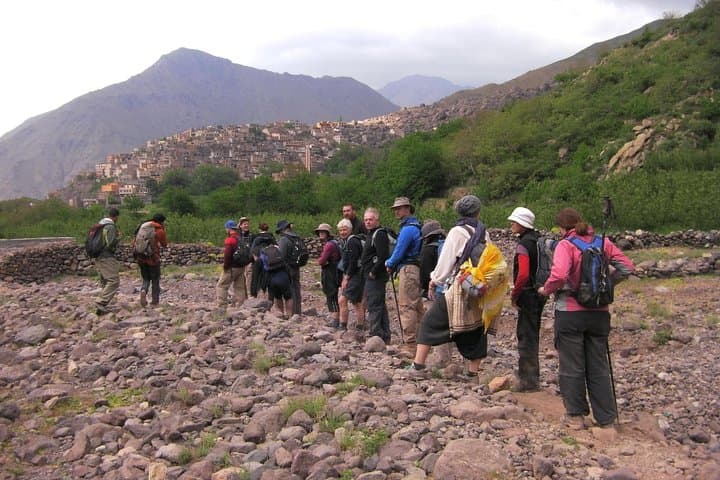
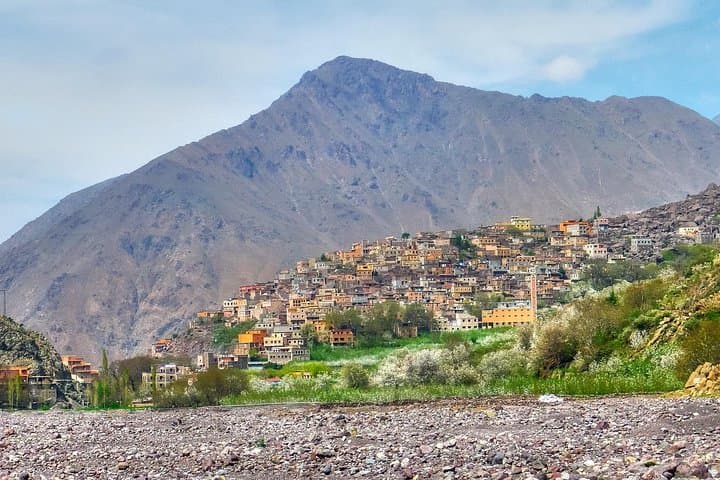
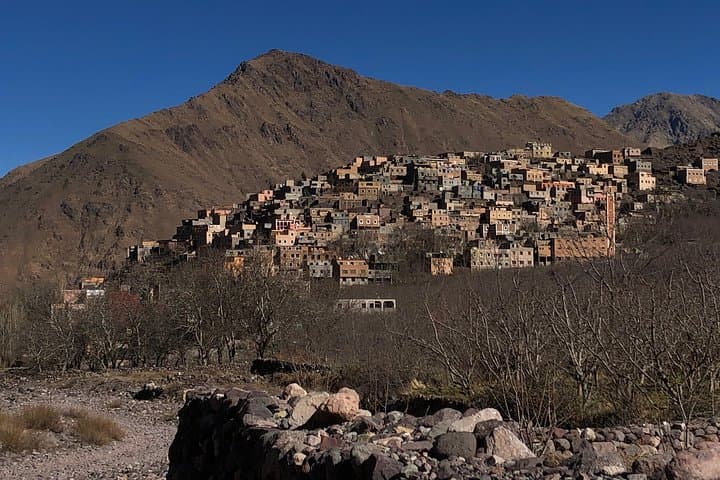
The walk from Imlil to Aremd crosses terraces and mule tracks used by Berber communities for generations. Jbel Toubkal (4,167 m) dominates the skyline, its bulk framing valleys carved by winter snowmelt and seasonal streams that still coerce routes through the rock. The mountains are young in geological terms—folded and uplifted by African-Eurasian plate interactions—and the soils reflect that steep, stony history.
Cultural notes are immediate: you’ll pass watchful homes where tajines simmer and local guides, often multilingual, steer conversation about crop cycles, water sharing and market days. The weekly Monday souk near Imlil is an exercise in barter and lineage—farm goods, woven belts and local tea trade hands exactly as they have for decades.
Practical guidance: expect 1–1.5 hours of easy walking on uneven village paths, a camel ride of about an hour and a lunch at a guesthouse. Wear broken-in hiking shoes, layers for rapidly shifting mountain temperatures and sun protection. Bring cash for small purchases, a refillable water bottle, and a sense of patience—mountain schedules move at a human pace. The itinerary is private and returns to Marrakech the same day, making this a compact, culturally rich introduction to the High Atlas without overnight logistics.
moderate.
6–8 hours.
Suitable for those who can walk 2–4 miles on uneven terrain and manage short climbs; not technical but requires steady balance.
The transfer is about 1.5 hours each way depending on traffic and photo stops along the Scenic Tahanaout-Asni road.
Yes—camels are used for short, gentle rides of roughly one hour; infants may require special seating and parental supervision.
Tipping is customary for good service; small cash tips shared among guide and driver are appreciated.
Lunch and air-conditioned transport are included; advise dietary needs at booking for vegetarian or special meals.
Berber communities have inhabited the High Atlas for centuries; trade routes and seasonal grazing shaped village placement and terrace agriculture.
Water is scarce; support local practices by minimizing water use and buying local produce. Stick to established trails to reduce erosion and protect terraces.
Toubkal Guide operates guided outdoor trips and adventures with an emphasis on safety, stewardship, and memorable experiences.
You leave Marrakech before the heat builds, the city’s ochre walls shrinking as the road climbs into the High Atlas. Mountain air cuts through the bus windows; cedar and scrub step in, and villages with flat-roofed houses appear like islands on the slopes. By Moulay Brahim, the caravan of camels waits—one hour of slow swaying that sets the rhythm for the day.
You leave Marrakech before the heat builds, the city’s ochre walls shrinking as the road climbs into the High Atlas. Mountain air cuts through the bus windows; cedar and scrub step in, and villages with flat-roofed houses appear like islands on the slopes. By Moulay Brahim, the caravan of camels waits—one hour of slow swaying that sets the rhythm for the day.
The walk from Imlil to Aremd crosses terraces and mule tracks used by Berber communities for generations. Jbel Toubkal (4,167 m) dominates the skyline, its bulk framing valleys carved by winter snowmelt and seasonal streams that still coerce routes through the rock. The mountains are young in geological terms—folded and uplifted by African-Eurasian plate interactions—and the soils reflect that steep, stony history.
Cultural notes are immediate: you’ll pass watchful homes where tajines simmer and local guides, often multilingual, steer conversation about crop cycles, water sharing and market days. The weekly Monday souk near Imlil is an exercise in barter and lineage—farm goods, woven belts and local tea trade hands exactly as they have for decades.
Practical guidance: expect 1–1.5 hours of easy walking on uneven village paths, a camel ride of about an hour and a lunch at a guesthouse. Wear broken-in hiking shoes, layers for rapidly shifting mountain temperatures and sun protection. Bring cash for small purchases, a refillable water bottle, and a sense of patience—mountain schedules move at a human pace. The itinerary is private and returns to Marrakech the same day, making this a compact, culturally rich introduction to the High Atlas without overnight logistics.