
Marrakech to Ait Benhaddou and Ouarzazate Day Trip over Tizi N'Tichka
Take a full-day guided drive from Marrakech across the Tizi N’Tichka pass to the UNESCO ksar of Ait Benhaddou and the film hub of Ouarzazate. This tour blends mountain scenery, earthen architecture, and cultural stops at a women’s cooperative—ideal for travelers seeking history with minimal hiking.
An Adventure In Marrakech.
Take a full-day guided drive from Marrakech across the Tizi N’Tichka pass to the UNESCO ksar of Ait Benhaddou and the film hub of Ouarzazate. This tour blends mountain scenery, earthen architecture, and cultural stops at a women’s cooperative—ideal for travelers seeking history with minimal hiking.
Read the full experience
The road leaves Marrakech before dawn, headlights carving a route through low hills as the High Atlas rises like a blunt wall on the horizon. By midmorning the air thins and the Tizi N’Tichka pass crests at roughly 2,260 meters, its winds pushing you onward toward clay-brick towers that catch the sun.
The road leaves Marrakech before dawn, headlights carving a route through low hills as the High Atlas rises like a blunt wall on the horizon. By midmorning the air thins and the Tizi N’Tichka pass crests at roughly 2,260 meters, its winds pushing you onward toward clay-brick towers that catch the sun.
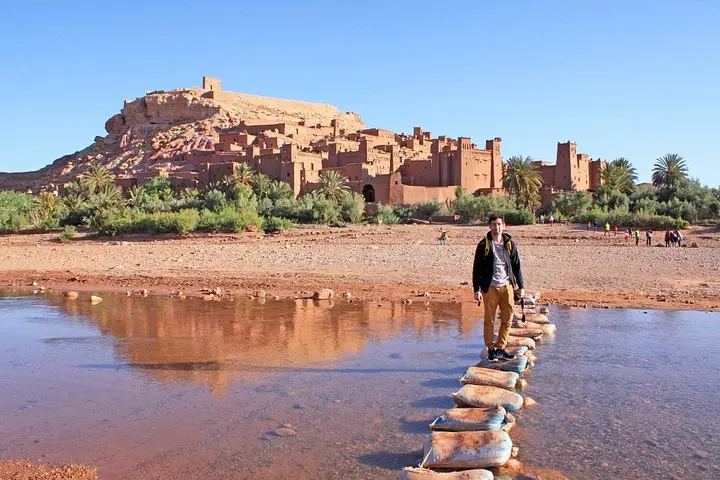
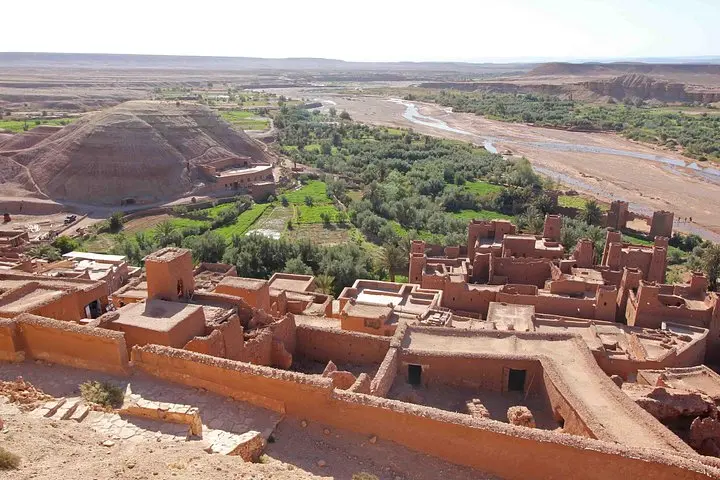
Ait Benhaddou is a ksar of rammed earth and fired clay—its compact alleyways and defensive towers have watched caravans, soldiers and film crews for centuries. The kasbah’s mud-brick façades date to the 17th century and sit on a trade line that once linked Marrakech to the Sahara; today the site is a UNESCO World Heritage location and a backdrop for international productions from Lawrence of Arabia to recent TV epics. Geologically, the High Atlas is young and rugged, folded by tectonic collision and cut by narrow river valleys; expect steep, folded ridgelines and dramatic scree below the road.
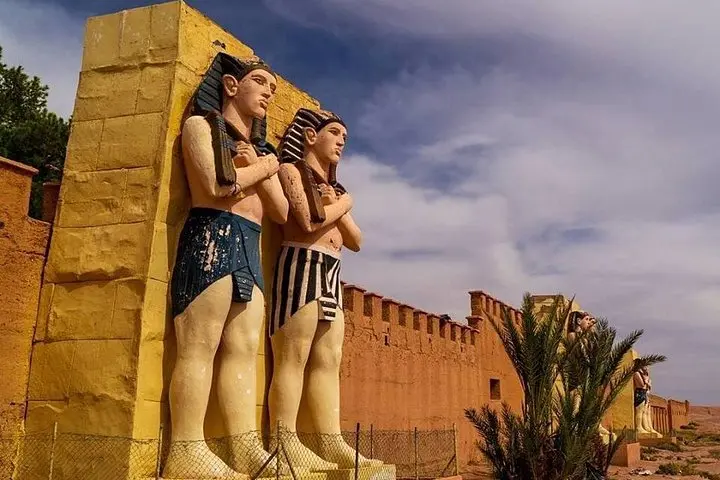
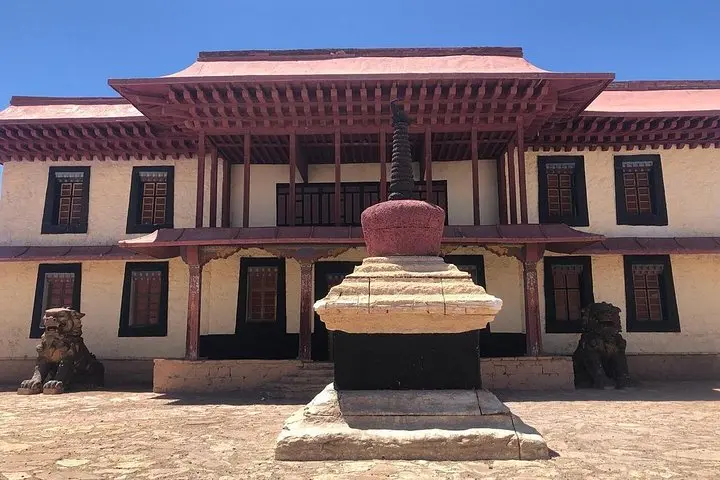
Culturally the route includes a visit to a women's cooperative where argan and local crafts are produced—an opportunity to see traditional pressing methods and support local economies. Ouarzazate, the day's second stop, blends military kasbah history with modern film studios where massive sets are housed.
Practicalities: plan a long day—6–9 hours—largely in a vehicle with several short walks on uneven stone. Bring layered clothing (temperatures drop at the pass), sunscreen, a refillable water bottle and sturdy shoes for cobbled lanes. Carry small cash for cooperative purchases and tip guides. An early start and patience on mountain switchbacks reward you with broad desert light and a view into Morocco’s layered past.
Frequently asked questions
Expect roughly 3–4 hours one way depending on traffic and stops; the full guided itinerary runs about 6–9 hours round trip.
Most day tours include a stop to explore the kasbah but local site fees or donations may not be included—confirm with your operator.
Yes—operators often provide infant seats and the route is suitable for families, though conditions include long periods in a vehicle.
You can visit the major studios for a tour; access and admission policies vary so check ahead if studio entry is a priority.
About This Experience
Smart Morocco Tours Excursions operates guided outdoor trips and adventures with an emphasis on safety, stewardship, and memorable experiences.
Adventure tips
Recommended gear
- Comfortable walking shoes: Provide grip and protection on cobbled streets and uneven paths around the kasbah.
- Layered jacket: Keeps you warm at the high-altitude Tizi N’Tichka pass and during early morning starts.
- Reusable water bottle: Staying hydrated on a long day trip through dry mountain air is essential.
- Sunscreen and sunglasses: Strong high-altitude sun and reflected light from light-colored clay make sun protection important.
Photos of the experience
Related adventures & guides
Read the full experience
The road leaves Marrakech before dawn, headlights carving a route through low hills as the High Atlas rises like a blunt wall on the horizon. By midmorning the air thins and the Tizi N’Tichka pass crests at roughly 2,260 meters, its winds pushing you onward toward clay-brick towers that catch the sun.
The road leaves Marrakech before dawn, headlights carving a route through low hills as the High Atlas rises like a blunt wall on the horizon. By midmorning the air thins and the Tizi N’Tichka pass crests at roughly 2,260 meters, its winds pushing you onward toward clay-brick towers that catch the sun.
Ait Benhaddou is a ksar of rammed earth and fired clay—its compact alleyways and defensive towers have watched caravans, soldiers and film crews for centuries. The kasbah’s mud-brick façades date to the 17th century and sit on a trade line that once linked Marrakech to the Sahara; today the site is a UNESCO World Heritage location and a backdrop for international productions from Lawrence of Arabia to recent TV epics. Geologically, the High Atlas is young and rugged, folded by tectonic collision and cut by narrow river valleys; expect steep, folded ridgelines and dramatic scree below the road.
Culturally the route includes a visit to a women's cooperative where argan and local crafts are produced—an opportunity to see traditional pressing methods and support local economies. Ouarzazate, the day's second stop, blends military kasbah history with modern film studios where massive sets are housed.
Practicalities: plan a long day—6–9 hours—largely in a vehicle with several short walks on uneven stone. Bring layered clothing (temperatures drop at the pass), sunscreen, a refillable water bottle and sturdy shoes for cobbled lanes. Carry small cash for cooperative purchases and tip guides. An early start and patience on mountain switchbacks reward you with broad desert light and a view into Morocco’s layered past.
Make a day of it nearby.
Verified experiences and guided adventures in the surrounding area.