THE ADVENTURE COLLECTIVE® · Independent discovery and booking for outdoor travel

Cross the High Atlas by Tichka Pass on a private day trip from Marrakech to Ait Ben Haddou and Ouarzazate. Expect winding mountain roads, a UNESCO ksar, film-history stops and practical tips for a full-day cultural drive.
Cross the High Atlas by Tichka Pass on a private day trip from Marrakech to Ait Ben Haddou and Ouarzazate. Expect winding mountain roads, a UNESCO ksar, film-history stops and practical tips for a full-day cultural drive.
Dawn leaves Marrakech behind as a private minivan climbs into the High Atlas; the road to Tichka Pass tightens into hairpins and the air thins around 2,260 m. Wind scours ochre slopes while adobe villages sit like folded pages along the valley. By late morning the fortified ksar of Ait Ben Haddou rises from the plain—mud-brick towers, narrow alleys and sun-darkened stairways that have framed film crews and caravans alike.
Verified experiences and guided adventures in the surrounding area.
Operated by tour in Morocco · Ait Ben Haddou, Drâa-Tafilalet
Dawn leaves Marrakech behind as a private minivan climbs into the High Atlas; the road to Tichka Pass tightens into hairpins and the air thins around 2,260 m. Wind scours ochre slopes while adobe villages sit like folded pages along the valley. By late morning the fortified ksar of Ait Ben Haddou rises from the plain—mud-brick towers, narrow alleys and sun-darkened stairways that have framed film crews and caravans alike.
Ait Ben Haddou is a living example of southern Morocco’s earthen architecture and a former caravan stop between the Atlantic and Sahara. Geologically the route follows younger fold mountains of the High Atlas, where weathered sedimentary layers expose reds and greys that change with the light. Nearby Ouarzazate developed as an administrative and film center; Taourirt Kasbah and local studios turned raw landscape into cinematic backdrops for Lawrence of Arabia and Gladiator.
Travelers should expect a 6–8 hour round trip from Marrakech in a private, air-conditioned vehicle with hotel pickup and drop-off and a driver/guide. The visit includes time at the UNESCO-listed ksar—allow 60–120 minutes for walking between viewpoints and narrow streets. Practical notes: bring layered clothing for a cool pass and hot valley, sun protection, refillable water, small cash for local stalls and tips. Roads are scenic but winding; motion-sickness precautions help. Facilities are basic near the kasbah; wear sturdy shoes for uneven cobbles and low steps. Plan an early start to catch softer light on the mud walls and avoid midday heat, and be ready to trade cinematic lore for the slow rhythm of village life.
easy.
6–8 hours.
No special fitness required beyond the ability to walk short stretches on uneven ground and tolerate several hours seated in a vehicle.
Yes—this private tour includes hotel pickup and drop-off in Marrakech as part of the booked service.
Expect 6–8 hours total; travel time each way is around 2–3 hours depending on stops, with roughly 60–120 minutes spent exploring the ksar.
The tour indicates admission is included for the primary visit, but confirm with the operator at booking for any recent changes or optional extras.
Access is limited—streets are narrow and uneven with steps; those with mobility issues may find much of the site difficult to navigate.
Ait Ben Haddou grew as a fortified caravan ksar on trans-Saharan trade routes and was inscribed as a UNESCO World Heritage Site for its earthen architecture and historic significance.
The ksar’s mud-brick structures are fragile; visitors should avoid climbing walls, stick to marked paths and support local conservation efforts by using licensed guides.
tour in Morocco operates guided outdoor trips and adventures with an emphasis on safety, stewardship, and memorable experiences.
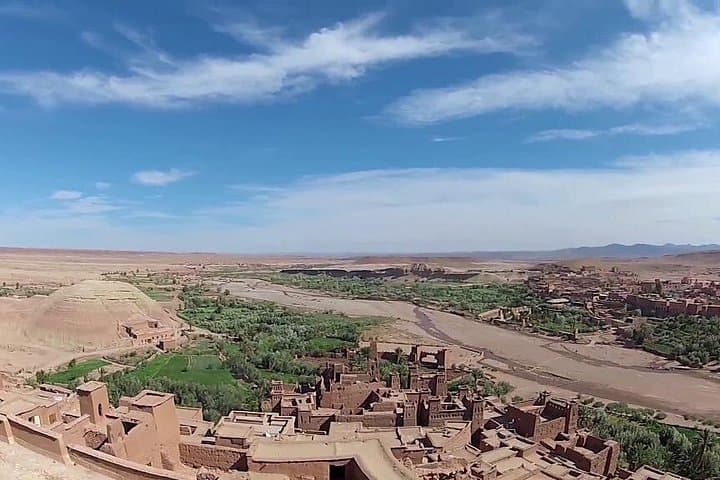
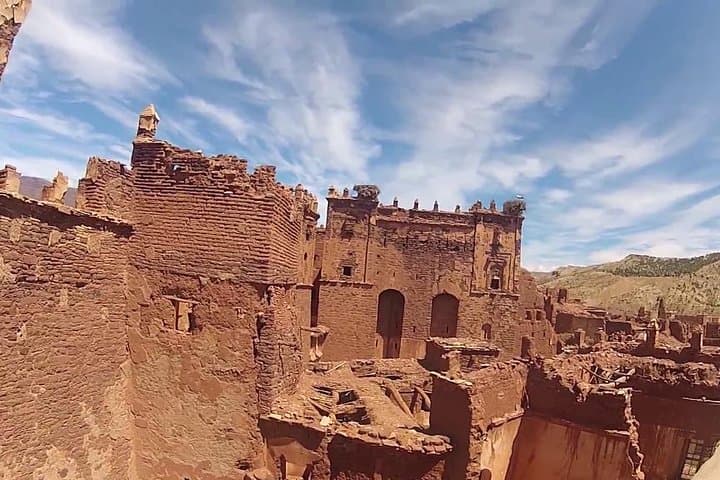
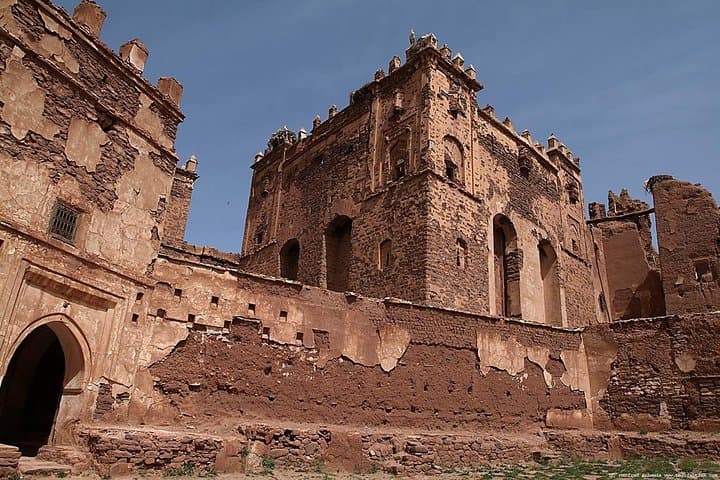
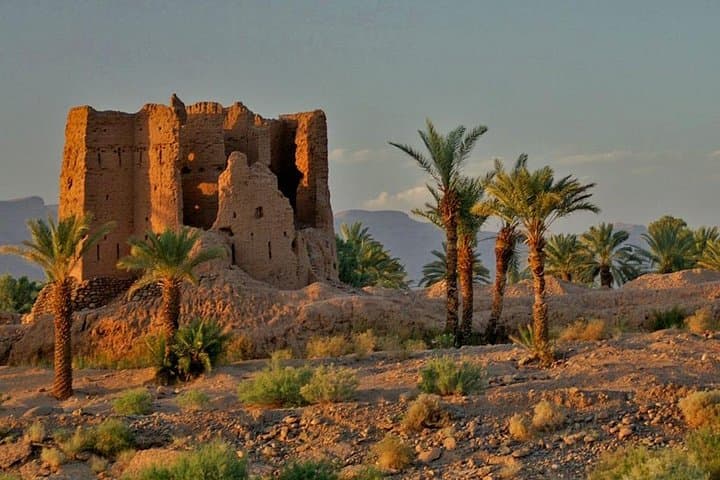
Dawn leaves Marrakech behind as a private minivan climbs into the High Atlas; the road to Tichka Pass tightens into hairpins and the air thins around 2,260 m. Wind scours ochre slopes while adobe villages sit like folded pages along the valley. By late morning the fortified ksar of Ait Ben Haddou rises from the plain—mud-brick towers, narrow alleys and sun-darkened stairways that have framed film crews and caravans alike.
Dawn leaves Marrakech behind as a private minivan climbs into the High Atlas; the road to Tichka Pass tightens into hairpins and the air thins around 2,260 m. Wind scours ochre slopes while adobe villages sit like folded pages along the valley. By late morning the fortified ksar of Ait Ben Haddou rises from the plain—mud-brick towers, narrow alleys and sun-darkened stairways that have framed film crews and caravans alike.
Ait Ben Haddou is a living example of southern Morocco’s earthen architecture and a former caravan stop between the Atlantic and Sahara. Geologically the route follows younger fold mountains of the High Atlas, where weathered sedimentary layers expose reds and greys that change with the light. Nearby Ouarzazate developed as an administrative and film center; Taourirt Kasbah and local studios turned raw landscape into cinematic backdrops for Lawrence of Arabia and Gladiator.
Travelers should expect a 6–8 hour round trip from Marrakech in a private, air-conditioned vehicle with hotel pickup and drop-off and a driver/guide. The visit includes time at the UNESCO-listed ksar—allow 60–120 minutes for walking between viewpoints and narrow streets. Practical notes: bring layered clothing for a cool pass and hot valley, sun protection, refillable water, small cash for local stalls and tips. Roads are scenic but winding; motion-sickness precautions help. Facilities are basic near the kasbah; wear sturdy shoes for uneven cobbles and low steps. Plan an early start to catch softer light on the mud walls and avoid midday heat, and be ready to trade cinematic lore for the slow rhythm of village life.