THE ADVENTURE COLLECTIVE® · Independent discovery and booking for outdoor travel

A full-day road excursion from Marrakech crossing the Tizi n’Tichka pass to the UNESCO ksar of Ait Ben Haddou and the cinematic hub of Ouarzazate. Expect dramatic mountain driving, mud-brick architecture, and a long but rewarding day on the road.
A full-day road excursion from Marrakech crossing the Tizi n’Tichka pass to the UNESCO ksar of Ait Ben Haddou and the cinematic hub of Ouarzazate. Expect dramatic mountain driving, mud-brick architecture, and a long but rewarding day on the road.
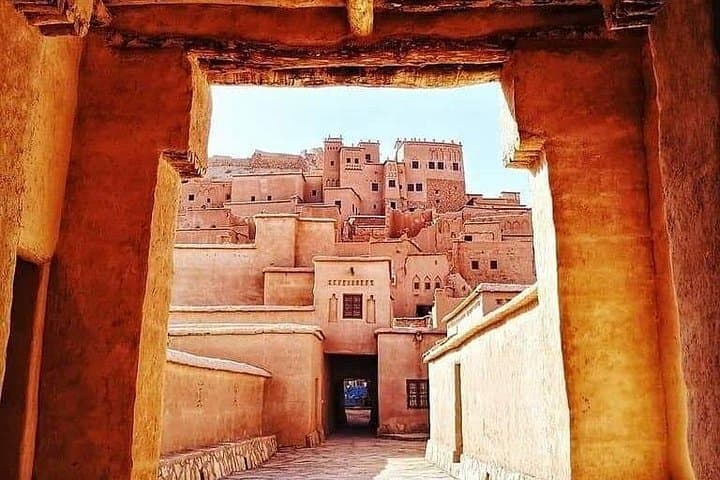
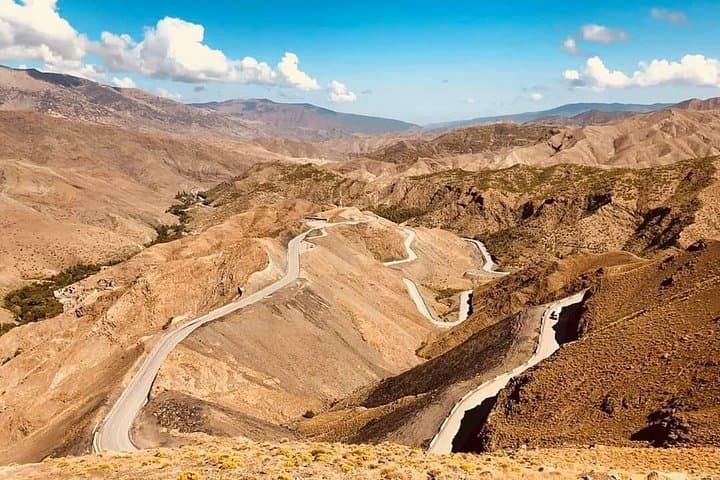
A long, high-contrast day begins before dawn in Marrakech as the road unfurls toward the High Atlas. The bus climbs Tizi n’Tichka—a serrated ribbon of switchbacks that reaches about 2,260 m—where the air sharpens and the valleys open into sun-baked plateaus. By midmorning the honey-colored walls of Ait Ben Haddou appear on a hill, the ksar’s compact earthen houses outlined against a wide sky.
Verified experiences and guided adventures in the surrounding area.
Operated by morocco private trips · Ait Ben Haddou, Drâa-Tafilalet
A long, high-contrast day begins before dawn in Marrakech as the road unfurls toward the High Atlas. The bus climbs Tizi n’Tichka—a serrated ribbon of switchbacks that reaches about 2,260 m—where the air sharpens and the valleys open into sun-baked plateaus. By midmorning the honey-colored walls of Ait Ben Haddou appear on a hill, the ksar’s compact earthen houses outlined against a wide sky.
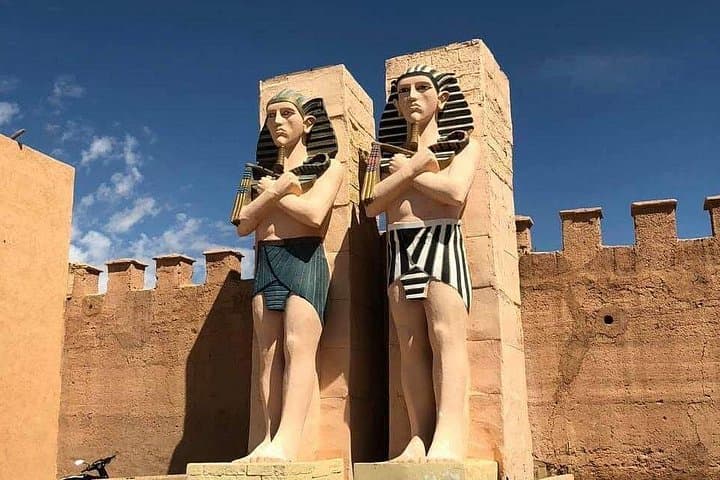
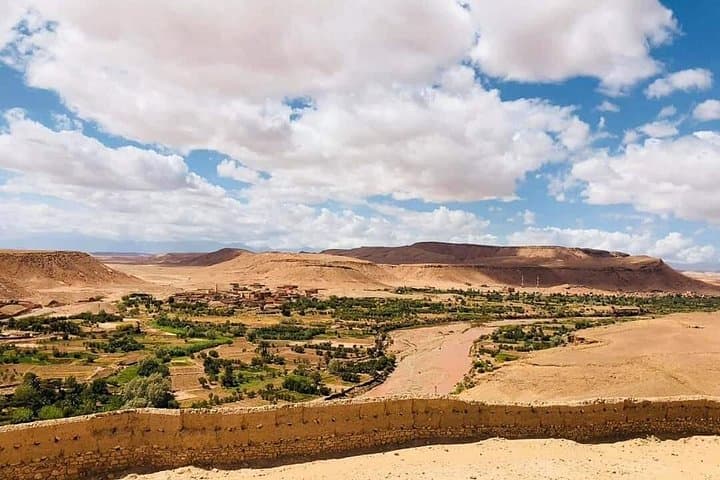
Ait Ben Haddou is an excellent-preserved example of southern Moroccan earthen architecture and a former caravan stop on trans-Saharan routes. Geologically, the route traces fold-and-fault formations from the Atlas uplifting; the pass exposes reddish shale and sandstone, while the Ouarzazate plain spreads as alluvial fans below. Ouarzazate grew as an administrative and film-production hub in the 20th century—its Taourirt Kasbah and nearby studios show how traditional architecture and modern cinema share the same stage.
Practicalities dominate the afternoon: expect two hours to walk the ksar and climb to the viewpoint, an hour at Ouarzazate and a short visit to the studios. The full excursion runs 12–14 hours round-trip, with roughly 3.5–4 hours driving each way (Marrakech–Ait Ben Haddou ≈ 200 km). Trails around the ksar are uneven—sturdy shoes and sun protection are essential. Hydrate early; there are limited services on the pass.
Timing matters: start early to avoid heat and to get prime light on the mud-brick facades. Respect fragile walls, follow your guide, and leave extra time if you want to photograph the kasbah at golden hour on the return drive.
easy.
12–14 hours.
Able to sit comfortably for long vehicle transfers and walk short, uneven trails for 30–90 minutes; not strenuous.
Expect a 12–14 hour round trip with about 3.5–4 hours driving each way and stops totaling several hours at Ait Ben Haddou, Ouarzazate, and the studios.
Admissions for certain sites (like some studios or museums) are not included—check the tour details or bring local currency for optional entries.
The High Atlas road has many switchbacks; if you suffer from motion sickness, bring medication and sit near the front of the vehicle.
Children are allowed and infant seats are available, but the long day and limited services on the pass can be challenging for very young travelers.
Ait Ben Haddou is a fortified ksar along historic trans-Saharan trade routes and is a prime example of southern Moroccan earthen construction; Ouarzazate later developed as a regional administrative center and film-production site.
The mud-brick structures are vulnerable to erosion and tourist wear—stay on marked paths, avoid touching fragile walls, and minimize water use to respect local scarcity.
morocco private trips operates guided outdoor trips and adventures with an emphasis on safety, stewardship, and memorable experiences.
A long, high-contrast day begins before dawn in Marrakech as the road unfurls toward the High Atlas. The bus climbs Tizi n’Tichka—a serrated ribbon of switchbacks that reaches about 2,260 m—where the air sharpens and the valleys open into sun-baked plateaus. By midmorning the honey-colored walls of Ait Ben Haddou appear on a hill, the ksar’s compact earthen houses outlined against a wide sky.
A long, high-contrast day begins before dawn in Marrakech as the road unfurls toward the High Atlas. The bus climbs Tizi n’Tichka—a serrated ribbon of switchbacks that reaches about 2,260 m—where the air sharpens and the valleys open into sun-baked plateaus. By midmorning the honey-colored walls of Ait Ben Haddou appear on a hill, the ksar’s compact earthen houses outlined against a wide sky.
Ait Ben Haddou is an excellent-preserved example of southern Moroccan earthen architecture and a former caravan stop on trans-Saharan routes. Geologically, the route traces fold-and-fault formations from the Atlas uplifting; the pass exposes reddish shale and sandstone, while the Ouarzazate plain spreads as alluvial fans below. Ouarzazate grew as an administrative and film-production hub in the 20th century—its Taourirt Kasbah and nearby studios show how traditional architecture and modern cinema share the same stage.
Practicalities dominate the afternoon: expect two hours to walk the ksar and climb to the viewpoint, an hour at Ouarzazate and a short visit to the studios. The full excursion runs 12–14 hours round-trip, with roughly 3.5–4 hours driving each way (Marrakech–Ait Ben Haddou ≈ 200 km). Trails around the ksar are uneven—sturdy shoes and sun protection are essential. Hydrate early; there are limited services on the pass.
Timing matters: start early to avoid heat and to get prime light on the mud-brick facades. Respect fragile walls, follow your guide, and leave extra time if you want to photograph the kasbah at golden hour on the return drive.